
How to find your wedding
venue in France
A practical guide to searching for, visiting, and choosing a venue for your destination wedding, from someone who has walked through hundreds of them.
Browse venues →Every venue in France has a story: centuries-old walls, vineyards planted by someone's great-grandfather, a kitchen garden that still supplies the table. The right venue isn't just a backdrop for your wedding. It becomes part of it.
But finding that place from another country, in another language, with an unfamiliar legal system? That takes more than scrolling through photos. It takes the right questions, a clear head, and a plan for what to look for when you get there.
We've spent over fifteen years helping international couples navigate the French wedding world. This page pulls together everything we've learned: the questions that matter, the France-specific details most couples miss, and the practical advice that makes the difference between a venue that looks right and one that is right.
50 Questions to Ask Your French Wedding Venue
A printable PDF to take with you on venue visits. Covers legals, logistics, costs, catering, accommodation. Everything specific to getting married in France.
Download free guide →
Before you start
Three things to settle before you contact a single venue
Get clear on the big three
Before you contact a single venue, sit down together and agree on three things: a rough guest count, a realistic budget range, and the time of year. These three decisions will narrow the field faster than anything else. A château that sleeps 40 and hosts 150 for dinner is a different animal from a mas in Provence for 30 guests with a long table in the garden. Knowing your numbers early saves weeks of back-and-forth with venues that were never going to fit.
Keep it between the two of you, at first
It's tempting to involve family and friends from the start, but with venue visits, we'd encourage you to keep the initial shortlisting between the two of you. Gut instinct matters enormously, how a place feels when you walk through the door, whether you can picture your people there. Too many opinions early on creates noise. Once you have a shortlist of two or three, that's the time to bring in trusted voices.
Make a spreadsheet (seriously)
It sounds unromantic, but a simple comparison sheet will save your sanity. Columns for venue name, capacity, base price, what's included, accommodation, distance from nearest airport, and a notes field for your impressions. After visiting four or five venues in a weekend, the details blur together. Your spreadsheet won't.
The legal side
What makes France different
This is the section most international couples skip, and the one that causes the most stress later. French wedding law works differently to what you're used to, and understanding it early will shape your entire timeline.
Key things to know
- → Civil ceremony is mandatory. In France, only a civil ceremony at the local mairie (town hall) is legally binding. A church blessing or symbolic ceremony at your venue is separate and optional.
- → The 40-day rule. If you marry in France, you'll need to establish residency in the commune for at least 30 continuous days before the wedding, followed by a 10-day posting of the banns. That's 40 days minimum. Some couples choose to do a legal ceremony at home instead and have a symbolic celebration in France.
- → Documents need apostilles and translations. Birth certificates, proof of residency, and other documents must be officially translated into French and apostilled. Start this process months in advance, consulate timelines vary by country.
- → Your venue can help. Most established French wedding venues have guided hundreds of international couples through this process. Ask them which mairie you'd use and whether their coordinator can help with the paperwork.
Deep dive: Our full guide covers every document, every deadline, and every option, including how to legally marry at home and celebrate in France. Read the legal guide →
The basics
The first questions to ask any French wedding venue
- Can the venue host both the symbolic ceremony and the reception, or will you need a separate location for either?
- What is the maximum capacity, for the ceremony, the seated dinner, and the evening party? (These are often three different numbers.)
- Is the venue available for exclusive hire, or could another event be taking place at the same time? What's the price difference?
- What's included in the base hire price? Pin this down early, some venues include catering, coordination, and accommodation; others charge for the space alone.
- Does the venue work with a preferred supplier list, or are you free to bring your own caterer, florist, and entertainment?
- If the venue provides catering, can you do a tasting before committing? Is the menu flexible, can you do a long table family-style dinner, a cocktail reception, or a barbecue in the grounds?
- Does the venue have an English-speaking coordinator or point of contact? How much of the planning do they handle vs. what you'll need to organise yourself?
- What does the venue's insurance cover, and what will you need to arrange separately?
- What are the payment terms? Deposit amount, instalment schedule, cancellation policy, and which currency they invoice in.
Tip: Be happy with the entire property, not just the ceremony spot and the dining area. Walk through every room your guests will use, check the getting-ready spaces, and look at the grounds from every angle. The details that don't make it into the brochure photos are often the ones that matter most.
Logistics
The practical questions that make a destination wedding run smoothly
- How far is the venue from the nearest international airport? Which airports do your guests fly into, and what's the transfer time?
- Is there parking on site? If most guests are renting cars, is there space for 30–40 vehicles?
- Can the venue arrange group transfers from the airport or nearby hotels, or recommend a local transport company?
- What are the noise restrictions? Many French communes enforce strict curfews, some as early as midnight. Does the venue have an indoor space where the party can continue?
- Is there a turnaround period between the ceremony and dinner? Where do guests go during the changeover? (In France, this is often the apéritif in the garden, plan for it.)
- What is the venue's policy on children? Are there child-friendly areas or any times when the venue needs to be adult-only?
- Can you access the venue the day before for setup, rehearsal, or a welcome dinner?
- What information does the venue need from your suppliers? Public liability insurance, PAT testing certificates, load-in times?
- What's the nearest town or village? Is there anything within walking distance for guests, a café, a market, a bakery?
- Can the venue provide an example timeline of a typical wedding day at their property?
Tip: Spend time getting to know the area around your venue. Your guests, especially those making a weekend of it, will want recommendations for restaurants, markets, day trips, and local wine. Build a simple guest guide and you'll answer half their questions before they ask.
Accommodation
Where everyone sleeps matters more than you think
- How many guests can sleep on site? Is accommodation included in the hire price, or charged separately per room?
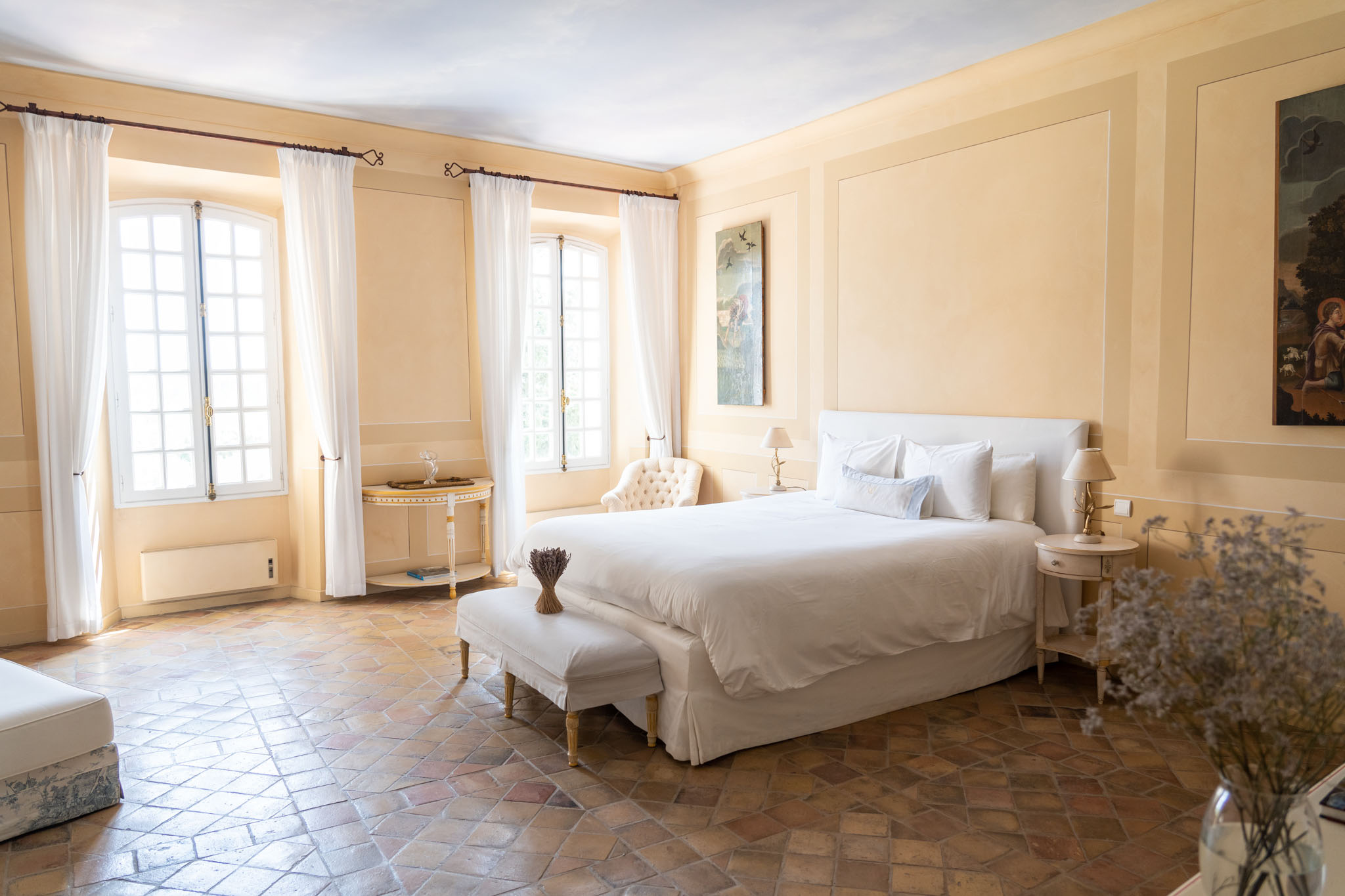
- What does the bridal suite look like? Think about lighting, mirrors, space for getting ready with a photographer present. Ask to see it, even on a video call.
- If the venue doesn't sleep all your guests, where do they recommend locally? Hotels, gîtes, chambres d'hôtes? How far away, and is there a shuttle option?
- Can you book the entire property for multiple nights? Many French venues offer two or three-night packages, a welcome dinner the night before, the wedding day, and a farewell brunch. This is one of the best things about a French wedding: the weekend format.
- Does the venue offer any group rate or block booking for nearby hotels?
Tip: Always see the bedrooms, not just the ceremony lawn and the dining room. Your photographer will be with you while you're getting ready, and if you're staying at the venue the night before, those morning-of photos happen in whatever room you wake up in. Stone walls and shuttered windows photograph well. A cramped room with strip lighting does not.
Planning the details
The questions that shape the feel of your day
- Does the venue have an in-house wedding coordinator? If so, what does their role cover, logistics only, or styling and vendor management too?
- Are they happy for you to bring in an external wedding planner or stylist? (Most French venues are, but some prefer to manage everything in-house.)
- Are real candles allowed, or does the venue require LED alternatives?
- What's the confetti policy? Some properties allow biodegradable petals; others don't allow anything thrown.
- Is there a noise limiter fitted in the reception space, or can you control the volume?
- Can you have fireworks or sparklers? French regulations on pyrotechnics vary by commune, the venue will know what's permitted.
- Does the venue have a licence for outdoor ceremonies, or would an outdoor blessing be symbolic only?
- Can the venue share photos from previous weddings? This is one of the best ways to understand what's actually possible in the space, especially if you're visiting out of season.
Tip: Ask for photos of the venue set up for weddings of a similar size to yours. A property that looks wonderful with 150 guests can feel cavernous with 40, and a venue that's perfect for an intimate celebration might feel cramped at full capacity. Scale matters as much as style.
Indoor, outdoor & weather
France is not always sunshine, plan for both
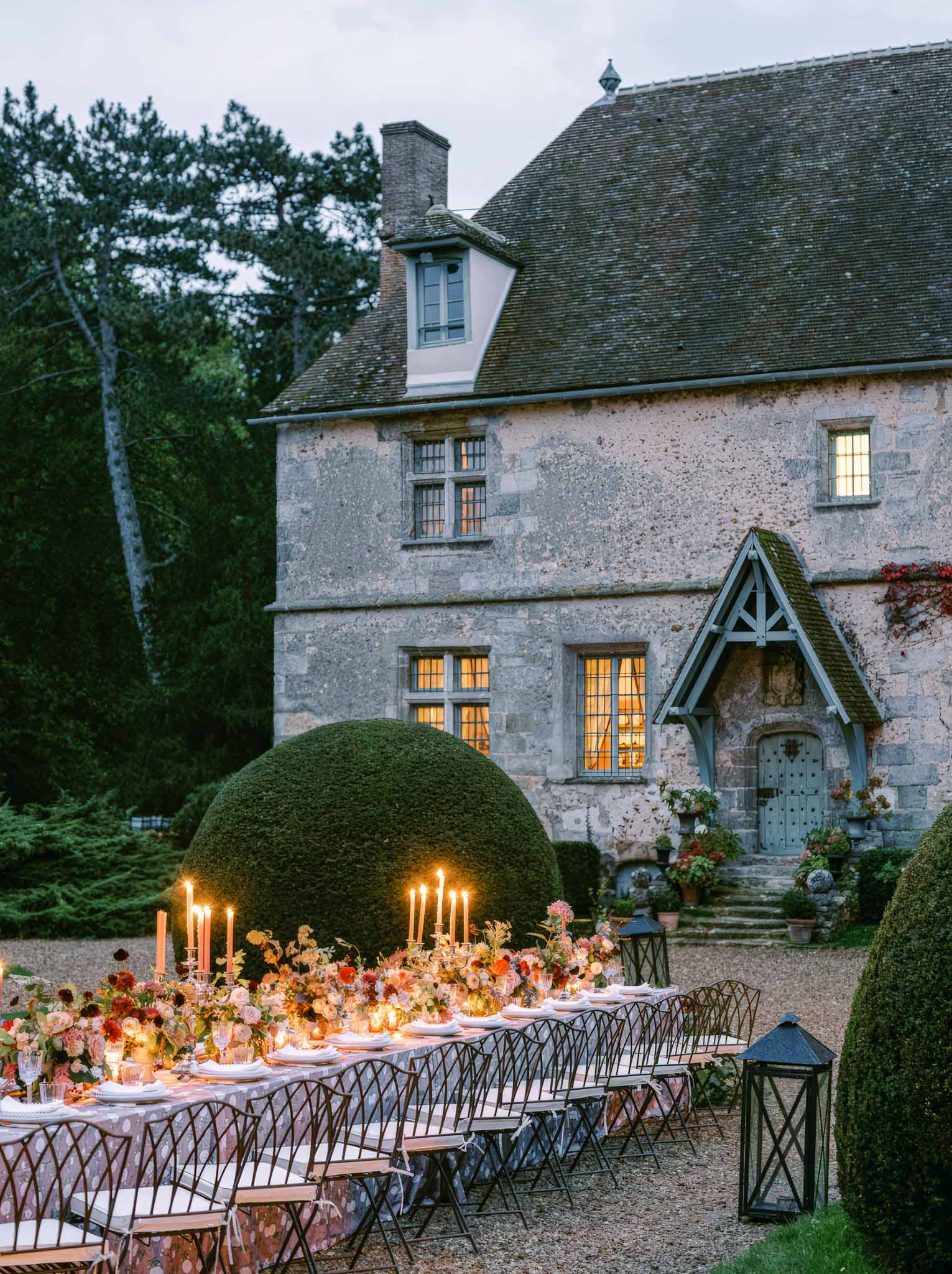
- What's the rain plan? If you're planning an outdoor ceremony or dinner, where does everything move if the weather turns? Is the indoor backup genuinely good, or just a fallback?
- Is there a permanent outdoor ceremony option, a terrace, a walled garden, an avenue of trees?
- If you want a marquee or tent, does the venue have a recommended supplier? Is there a flat area suitable for a structure?
- What's in bloom at the time of year you're getting married? A garden in June looks nothing like the same garden in October. Ask for seasonal photos.
- Is the property air-conditioned? July and August in the south of France regularly hit 35°C+. If the reception room has thick stone walls, it might stay cool naturally, but ask.
- What's the wind situation? Hilltop venues and coastal properties can be spectacular, but wind plays havoc with hairstyles, candles, and table settings. The Mistral in Provence is real.
Tip: If you're considering a venue that offers marquee options, ask the marquee company if you can visit one of their structures set up at your venue or a similar property. Photos don't capture scale, walking inside does.
Food & drink
This is France, the meal is half the wedding
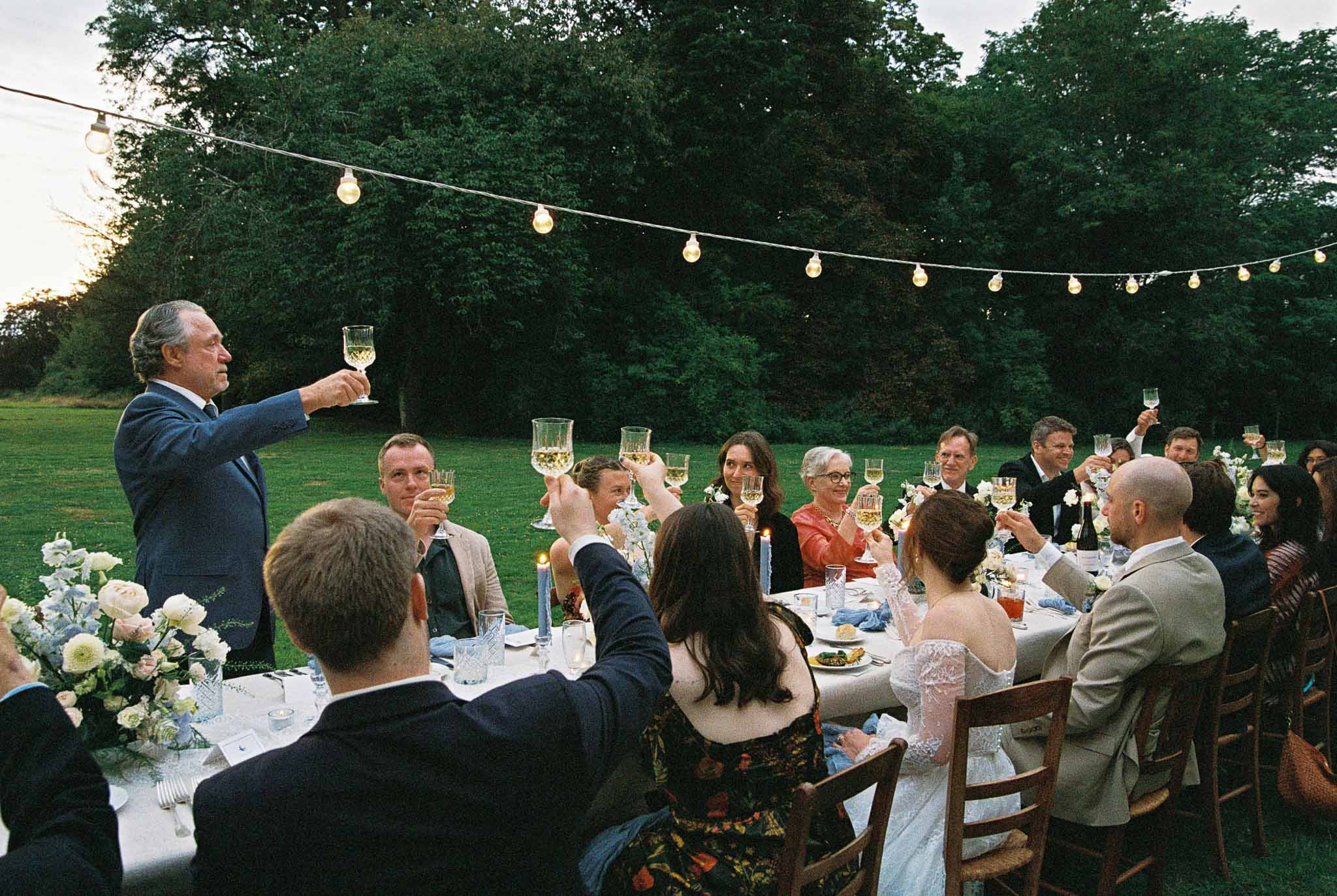
- Does the venue provide catering, or do you bring in an external caterer? If in-house, is there flexibility on the menu style, seated dinner, family-style sharing, cocktail dînatoire, food stations?
- Can the kitchen accommodate dietary requirements, vegetarian, vegan, halal, kosher, coeliac? This is important if your guest list is international.
- What does the apéritif look like? In France, the drinks reception between the ceremony and dinner is a full event in itself, canapés, champagne, sometimes an hour or more in the garden. Understand what's included.
- Is there a corkage fee if you supply your own wine? Many couples buy direct from local vineyards, which can be significantly cheaper, but some venues charge €5–€15 per bottle corkage.
- How late does the bar service run? And is there an open bar, a cash bar, or a limited drinks package?
- Can you arrange a welcome dinner the night before or a farewell brunch the morning after? What are the costs?
Tip: If the venue uses an in-house caterer, ask to see sample menus and, if possible, attend a tasting. French wedding catering ranges from a five-course seated dinner to a relaxed méchoui (spit roast) in the garden, make sure the style matches yours.
Take these questions with you
Download our printable PDF with all 50 questions, organised by category, with space for notes. Take it on venue visits, scribble in the margins, and compare your shortlist with a clear head afterwards.
We'll send the PDF to your inbox. No spam, no sales, just the checklist.
Go deeper
Our planning guides cover every step of organising a wedding in France, from choosing your region to managing the paperwork.
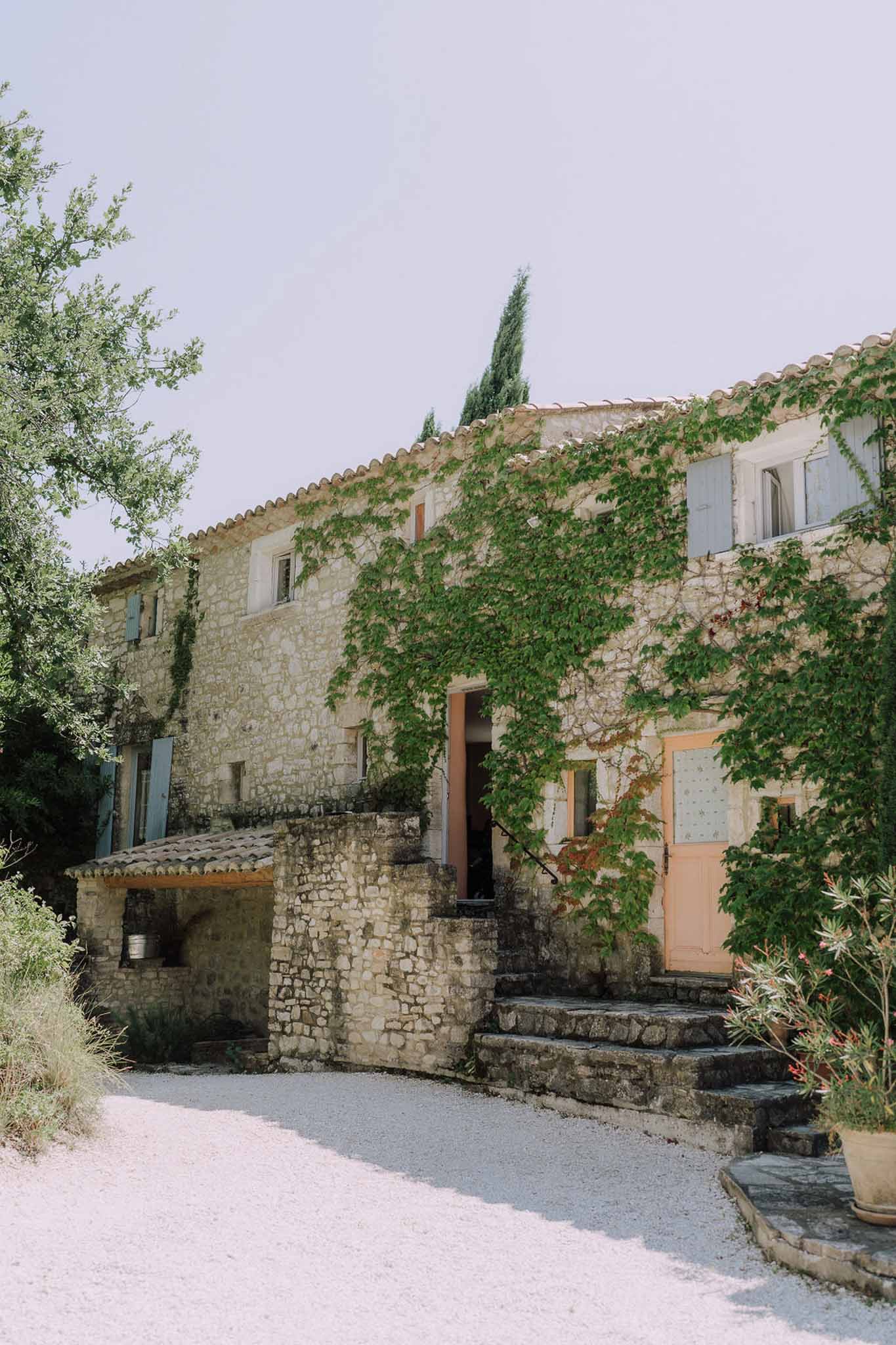
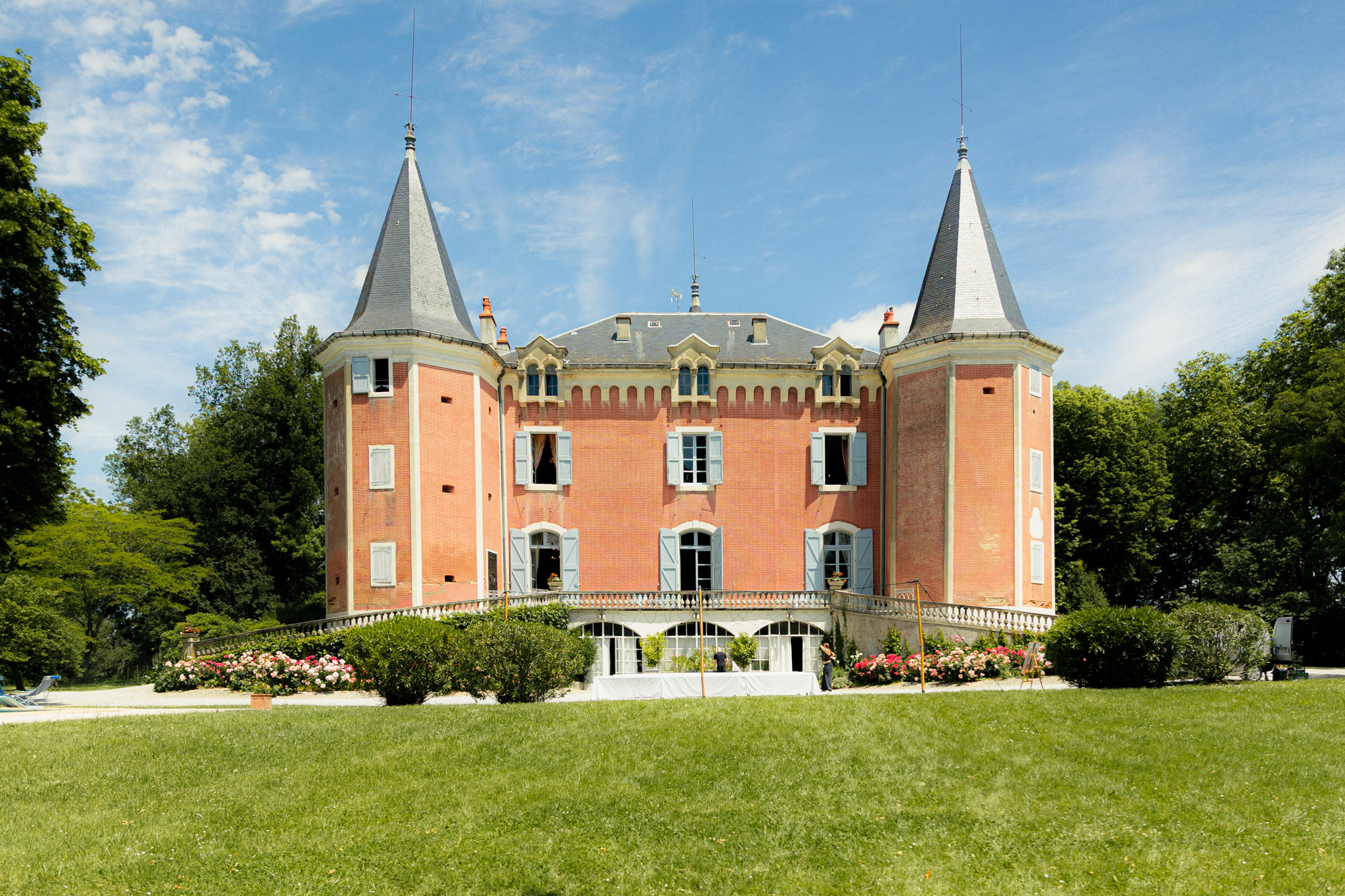
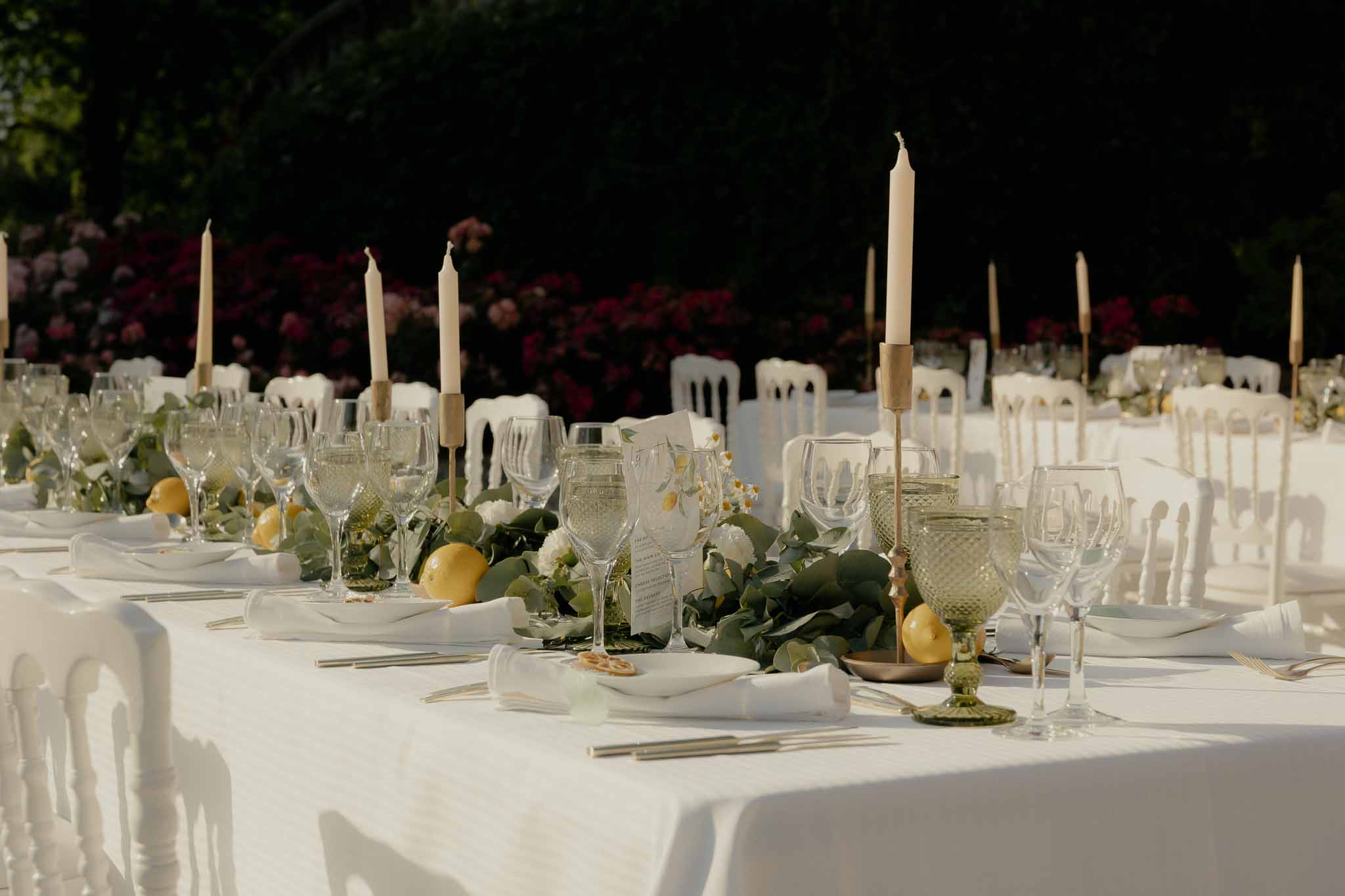
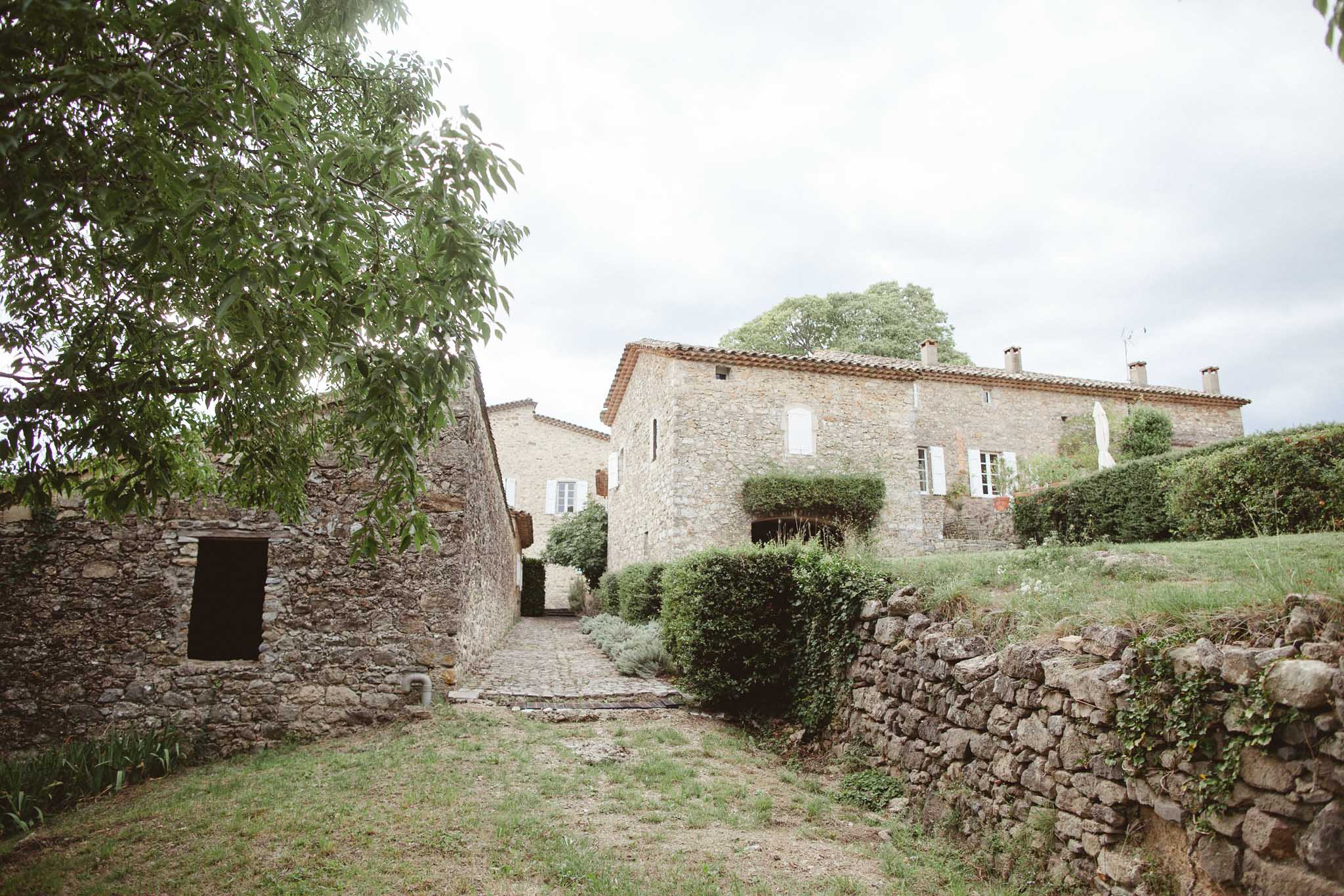
Discover our venues
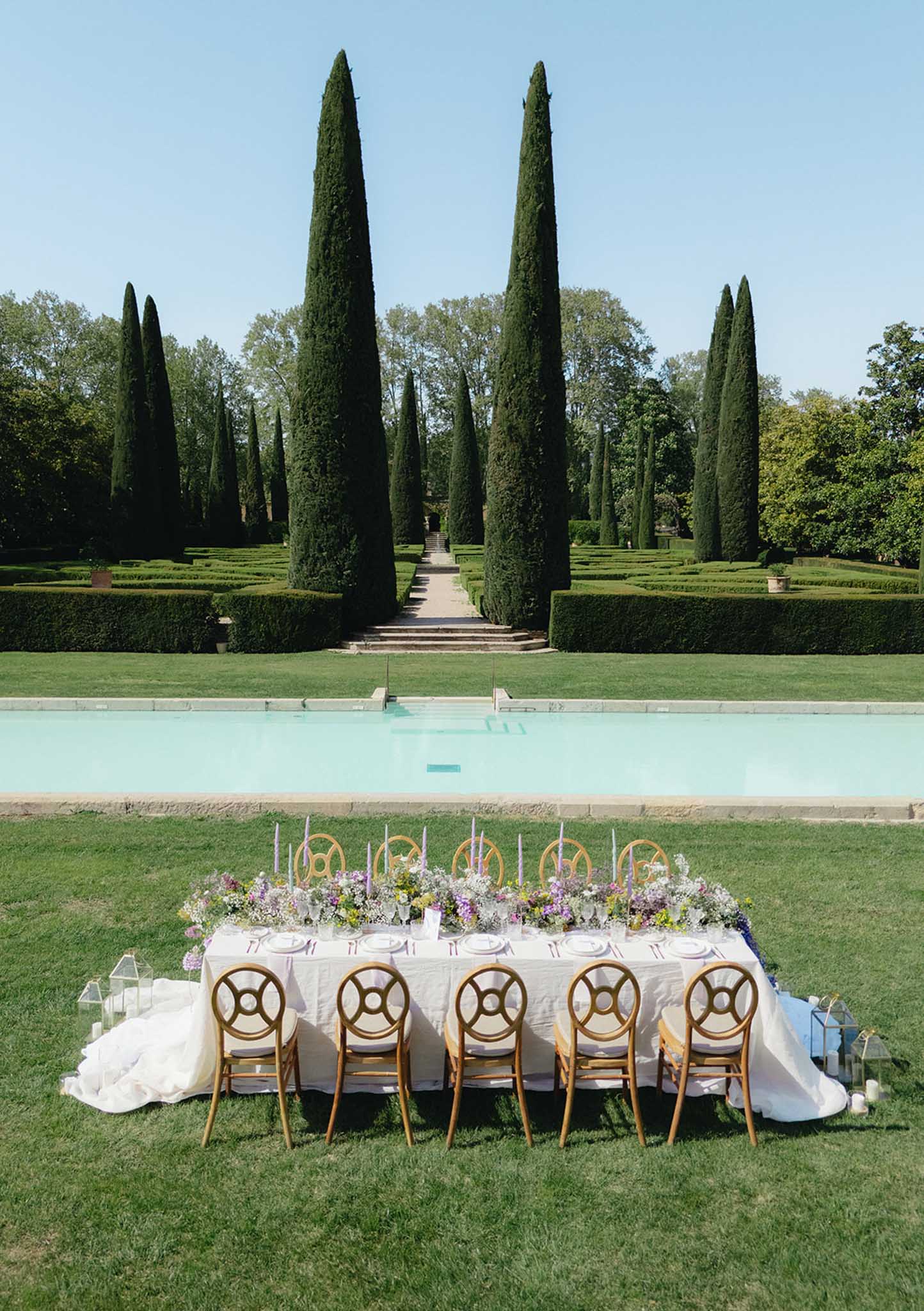
Search by region, capacity, style, and budget. Over 400 venues across every corner of France.
Visit venue finder →Real wedding stories
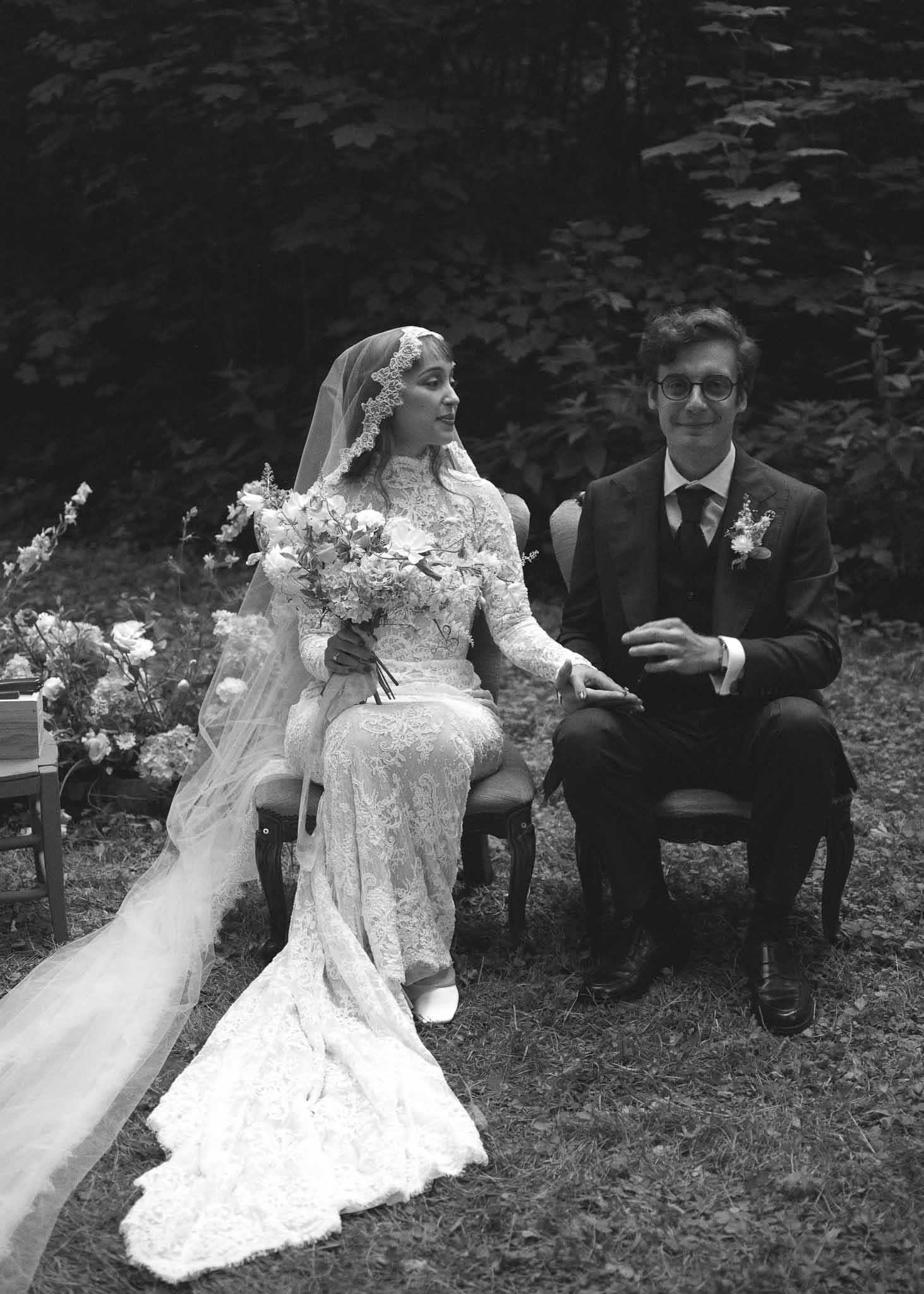
See how real couples planned their French weddings. Over 400 love stories with full details.
Read real weddings →Meet the experts
The France-based wedding professionals who contribute their expertise to our guides.
Meet our experts →