
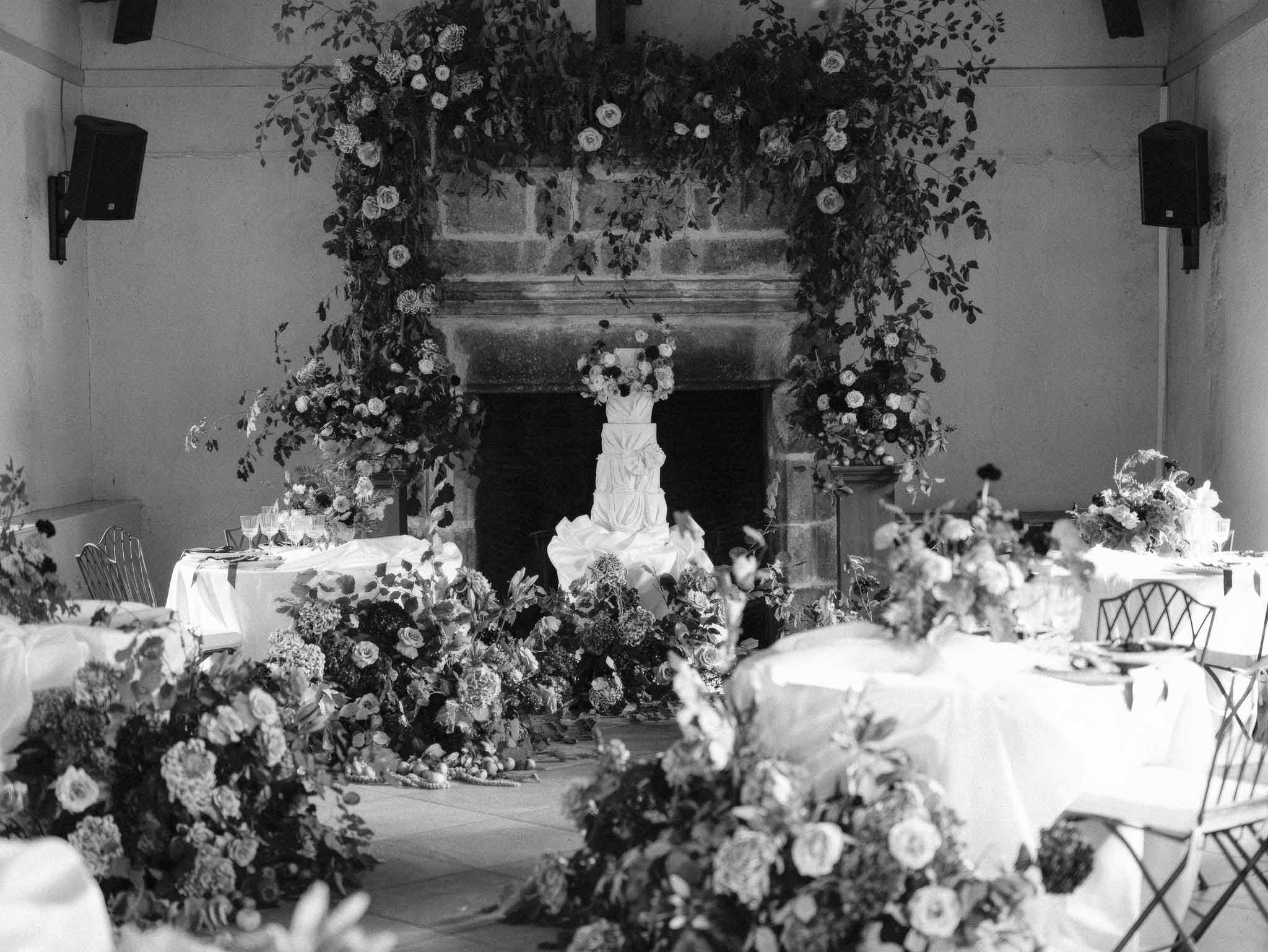
Flowers at a French wedding work differently because the venue does half the work. A walled garden overflowing with climbing roses. Lavender lining a gravel drive. Wisteria draped across a stone pergola. The landscape and architecture provide a floral backdrop that most other countries' venues cannot match, which means the floristry you add should complement what is already there rather than compete with it. This chapter covers which flowers are available in your season and region, what bouquet styles work against French stone and light, and how to source flowers from growers near your venue rather than the wholesale import market. It is part of our complete guide to planning a wedding in France.
Why Seasonality and Region Matter More in France
French florists think regionally. A Provence florist works with what grows in the Var, the Luberon, and the hills behind Nice. A Normandy florist sources from Brittany growers and the flower farms of Finistere. The best results come from designing around what the land produces in your month, at your latitude, rather than importing a vision from a different climate.
This is practical, not philosophical. Locally grown flowers arrive fresher, last longer in the heat, photograph more naturally against the landscape, and cost 20 to 40 percent less than blooms shipped from the Dutch wholesale market in Aalsmeer. Peonies that flood Parisian ateliers in late May have already faded in Provence by mid-June. Lavender peaks in early July in the Luberon but is still green and closed in Normandy at the same date. Dahlias arrive in July in the south and August in the north.
Temperature is the other variable international couples underestimate. A July wedding in Provence means 30 to 35 degrees. Arrangements assembled at 8am must survive until photographs at 6pm. Peonies and hydrangeas wilt. Roses close. Foliage browns at the edges. Heat-hardy picks like olive branches, rosemary, lavender, and bougainvillea hold their form through the day. Trust your florist's regional experience over a Pinterest board assembled from British weddings in 18-degree rain.
Scroll →
| Season | Reliable Blooms | Avoid | Best Regions |
|---|---|---|---|
| Spring (April to May) | Peonies (May only), ranunculus, anemones, sweet peas, tulips, lily of the valley | Dahlias, sunflowers (too early) | Loire, Paris, Burgundy |
| Early summer (June) | Garden roses, peonies (early June only), delphiniums, foxgloves, lavender (late June in south) | Peonies after mid-June | Provence, Loire, Dordogne |
| Peak summer (July to August) | Lavender, garden roses, dahlias, zinnias, sunflowers, jasmine, oleander | Peonies (finished), hydrangeas in extreme heat | Provence, Bordeaux, South-West |
| Autumn (September to October) | Dahlias, chrysanthemums, cosmos, rosehips, autumn foliage, ornamental grasses | Spring blooms, lavender (dried by September) | Burgundy, Loire, Dordogne |
Regional Flower Personalities
Each French wedding region carries a distinct floral identity. Provence is defined by lavender, olive branches, and sun-bleached tones of rosemary, thyme, and wild grasses. The Var department, inland from the Riviera, is France's largest cut-flower growing area, producing roses, mimosa, and jasmine commercially. Couples marrying in Provence have the widest selection of locally grown stock in the country.
The Loire Valley favours softer palettes: peonies in late spring, delicate sweet peas in early summer, and climbing roses that frame the region's tuffeau stone châteaux. Burgundy and Normandy lean into rich autumn tones from September, with dahlias and copper-toned foliage that photographs beautifully against slate roofs and half-timbered walls. Bordeaux weddings at working wine estates often incorporate vine leaves, grape clusters, and the dark berry tones of late-harvest florals. These regional signatures produce arrangements that look as though they belong to the place rather than being imported from somewhere else.
The French Approach to Wedding Floristry
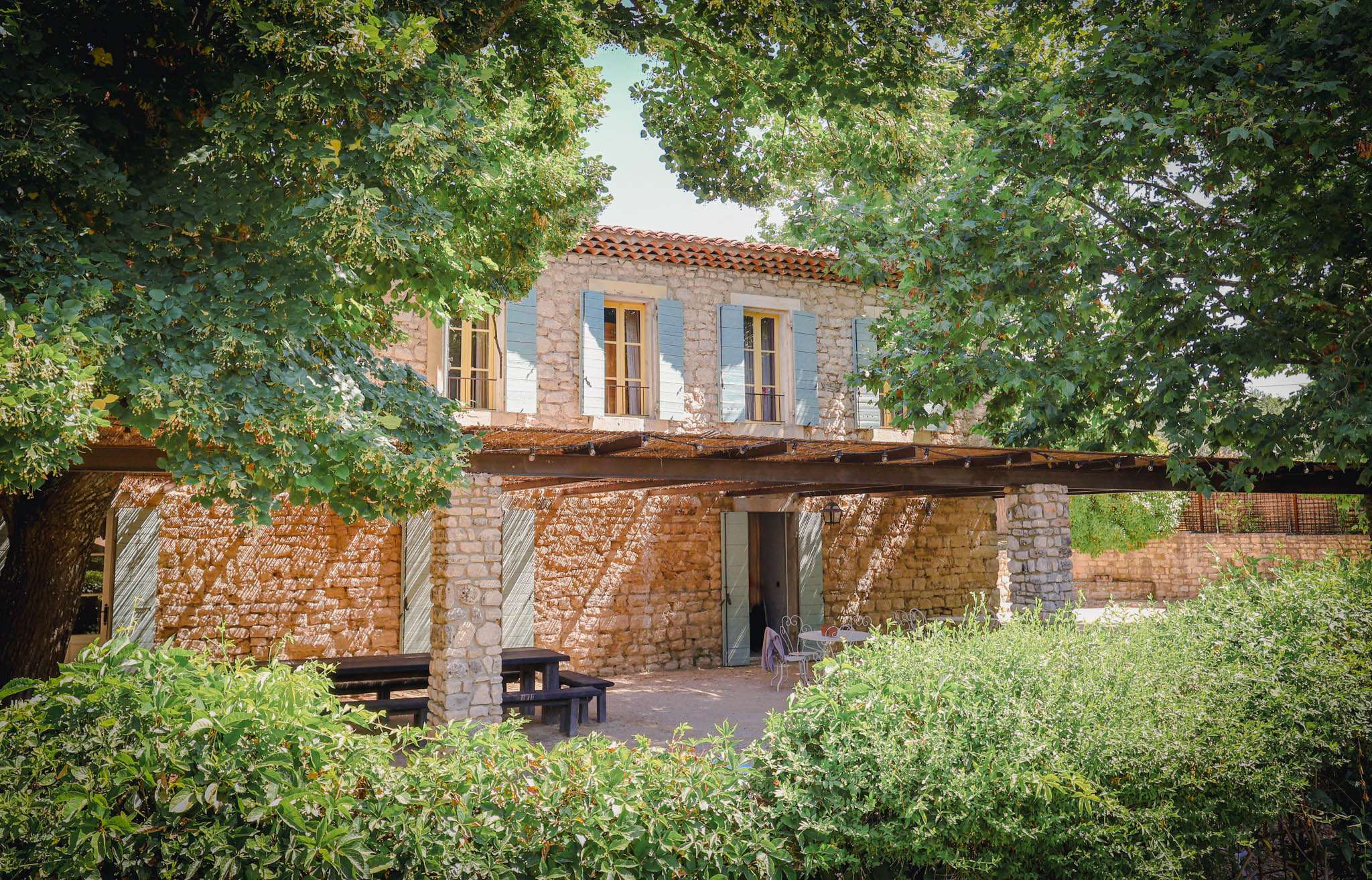
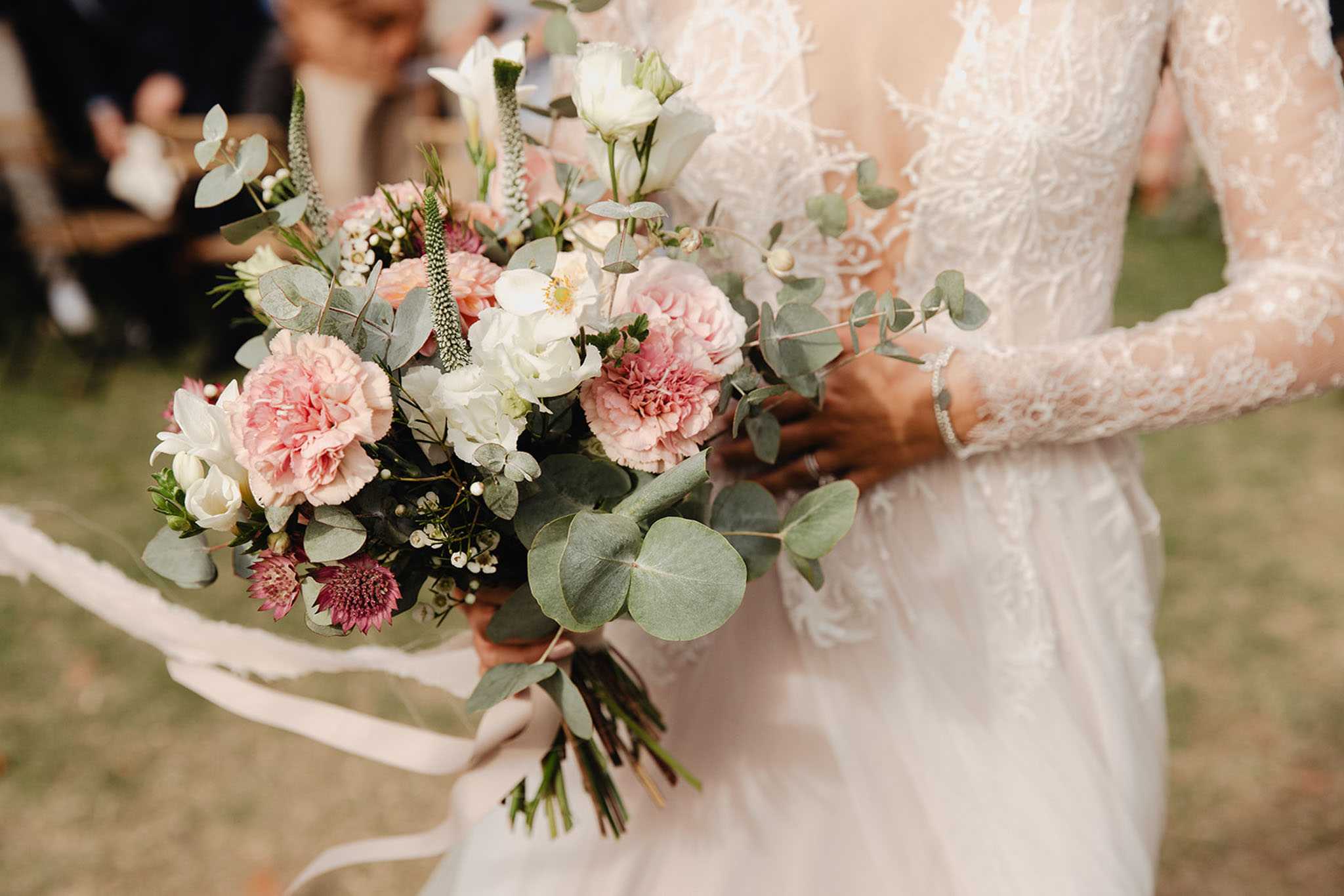
The bouquet that works in France looks nothing like the tight, structured arrangements common in British and American bridal magazines. It is looser, softer, and built to look as though it was gathered from the garden an hour before the ceremony. French florists design for the landscape: a bouquet held against honey-coloured stone, lavender fields, or a crumbling courtyard wall needs movement and texture, not geometric precision.
The same principle applies to table arrangements. At a château with painted ceilings and original parquet, low arrangements of garden roses in stone urns complement the room without competing. At a rustic domaine with exposed beams and terracotta floors, trailing greenery and dried grasses echo the agricultural setting. The bouquet ideas guide covers the garden-gathered style in detail: how to brief a French florist, which blooms provide the right texture, and how bouquet design connects to the wider colour palette of your celebration.
“The biggest floral mistake I see is couples who finalise their flower choices before visiting the venue with their florist. Every venue has its own light, stone colour, and existing greenery. A florist who walks the space with you will design arrangements that belong there. One who works from photos alone will produce something that looks dropped in from somewhere else.”
Sourcing Locally Grown Flowers
France has a horticultural infrastructure that predates the Dutch import system: flower cooperatives in the Var and Finistere, regional growers cultivating dahlias, sweet peas, and garden roses specifically for the wedding market, and a growing farm-to-vase movement where florists work exclusively with growers within driving distance of the venue. Locally grown flowers deliver better value, longer vase life, and a smaller environmental footprint than imported Dutch wholesale stock.
The local sourcing guide explains how cooperatives work, how to find growers near your venue, and what the cost savings look like in practice.
| Cost Component | Locally Sourced | Dutch Import |
|---|---|---|
| Bridal bouquet | €150 to €350 | €250 to €500 |
| Ceremony arrangements | €400 to €1,200 | €600 to €1,800 |
| Reception centrepieces (10 tables) | €800 to €2,500 | €1,200 to €3,500 |
| Buttonholes and corsages | €150 to €400 | €200 to €500 |
| Full wedding total | €2,000 to €5,000 | €3,000 to €8,000 |
Ask your florist for a list of what will be in season in your month, at your venue's latitude, before you finalise your mood board. Build the visual direction around what the land provides rather than importing a concept from a different climate. The flowers that grow near your venue are the ones that look most natural in the photographs, last longest in the conditions, and cost the least.
The Three Guides in This Chapter
Seasonal Wedding Flowers by Region in France
The starting point for every floral decision. Peony season (late May to mid-June only) and why couples who insist on peonies for a July wedding face disappointment or premium import prices. Garden roses as the reliable alternative. Lavender timing by region. Dahlia arrival dates. Heat-hardy picks for 35-degree days. How seasonality shapes your budget.
Bouquet Ideas for a French Countryside Wedding
The dominant bouquet style at French destination weddings and why it works. How French florists approach the brief differently from British or American ones. Which blooms provide the right mix of movement and structure. How to photograph loose bouquets against different stone types. Centrepiece and ceremony arrangement ideas that extend the same principles from the bouquet to the table.
How to Source Local Flowers for a French Wedding
France grows more cut flowers than most international couples realise. How cooperatives work and how to buy through them. The farm-to-vase movement: florists who source within a 50-kilometre radius. Cost comparison: locally grown versus Dutch import. How to find a grower near your venue.
Related Chapters
- Planning a Destination Wedding in France: The Complete Guide (pillar page)
- Styling and Design: colour palettes, table decor, and the design philosophy your flowers should echo
- Building Your Vendor Team: how to find and brief a French florist who works with local growers
- Food, Drink and Catering: the table your flowers will sit on, and the regional menu they should complement
- Finding Your Venue: the architecture and landscape that determine your floral direction
Frequently Asked Questions
What flowers are in season for a summer wedding in Provence?
June through August in Provence offers lavender (peaks early July), garden roses (David Austin varieties run June through September), sunflowers, jasmine, oleander, bougainvillea, dahlias (from July), and zinnias. Peonies are available in late May to mid-June only. Lavender must be cut before it dries on the stem. The seasonal guide maps availability month by month across every major region.
How much do wedding flowers cost in France?
Floral budgets typically range from €2,000 to €8,000 for a full wedding (bouquets, ceremony, reception, buttonholes). Sourcing locally grown flowers can reduce costs by 20 to 40 percent compared to imported Dutch market blooms. The biggest variable is the reception: a 200-guest château dinner with centrepieces on every table costs more than an intimate garden lunch where the venue provides the visual backdrop.
What bouquet style works best at French venues?
The loose, garden-gathered bouquet. It pairs with stone architecture, natural light, and the photography style of French destination weddings. The bouquet guide covers how to brief a French florist, which blooms provide the right texture, and how the bouquet connects to your wider colour palette.
Do peonies work for a July wedding in France?
In most regions, no. Peonies are available from late May to mid-June only. By July, the season has passed. Garden roses (David Austin varieties like Juliet, Patience, and Keira) offer a similar fullness and romantic quality with far greater availability, running June through September. If peonies are essential to your vision, consider a late May or early June wedding date. The seasonal guide covers alternatives for every month.
Can we source locally grown flowers for a French wedding?
Yes. France has a strong network of flower cooperatives and local growers, particularly in the Var (Provence), Finistere (Brittany), and the Cote d'Azur. Regional growers cultivate dahlias, sweet peas, garden roses, and wildflowers for the wedding market. Your florist or venue coordinator can connect you to growers near your venue. The local sourcing guide explains how the cooperative system works.
Flowers at a French wedding are not decoration applied to a setting. They are the setting amplified. The lavender growing by the drive, the roses climbing the garden wall, the olive branches on the table: these connect the celebration to the land it is held on. The couples who achieve the most natural floristry are the ones who design around their region and their month, visit a local grower during the venue trip, and trust their florist's knowledge of what the land produces. Browse garden wedding venues in France for properties where the grounds provide a natural floral backdrop, explore outdoor venues where the landscape shapes the design, or continue to the next chapter: guest experience and logistics.
Explore Every Guide in This Chapter
Deep-dive into each topic covered above.