
Wedding Videography: Do You Need One?
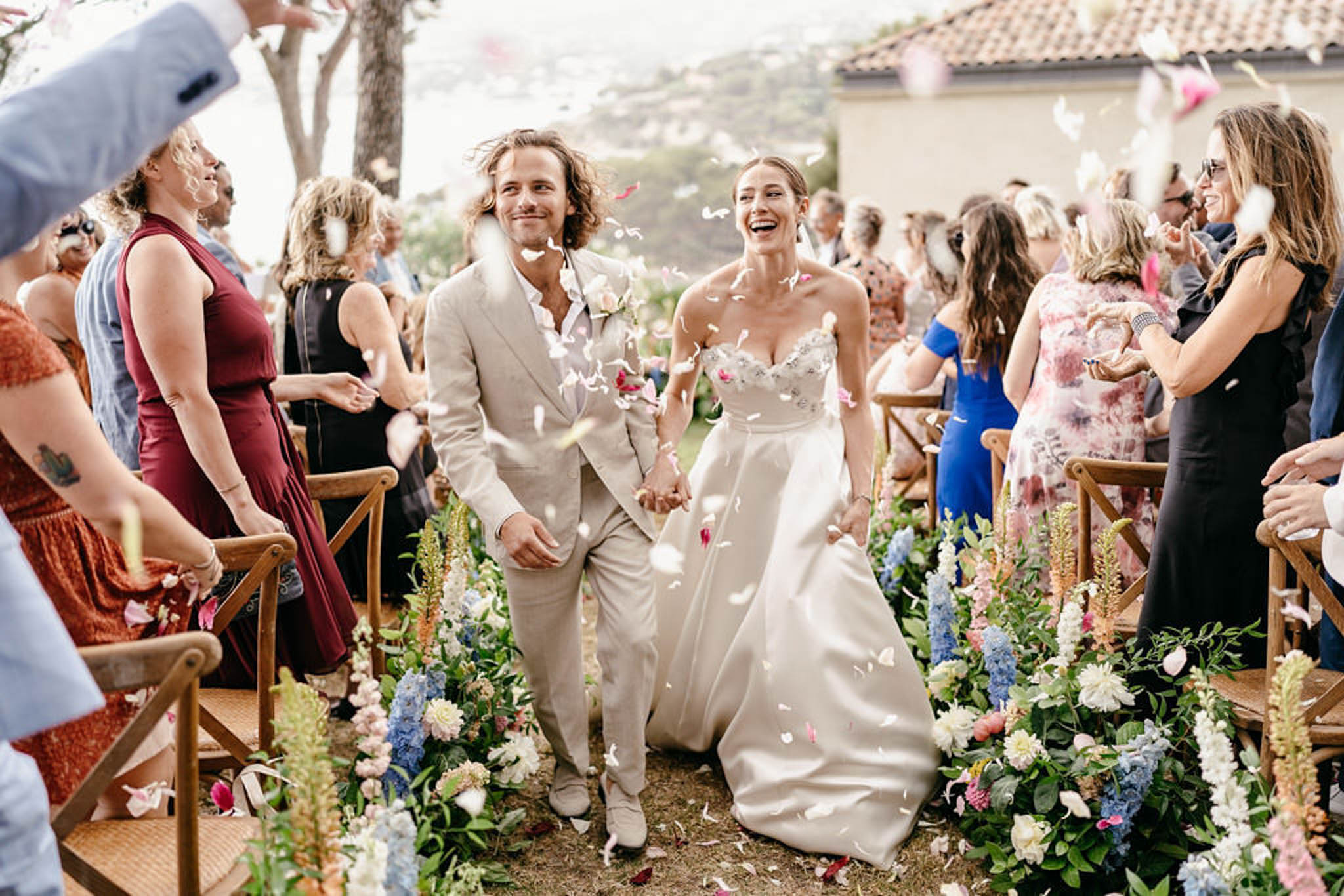
Videography is the vendor category couples are most likely to skip during planning and most likely to regret afterwards. Across the hundreds of real weddings featured on French Wedding Style, the pattern is consistent: couples who hired a videographer rank the film among the most treasured parts of their wedding.
Couples who did not often wish they had. In France, the visual drama of the settings, from château courtyards to vineyard terraces to Provençal olive groves, translates to film in a way that still photography alone cannot fully capture. What videography costs in France, which film styles work best for French venues, how to navigate drone regulations, and how to ensure your videographer and photographer work together rather than in competition, as part of our complete guide to building your vendor team in France. For a broader view of every step involved, see our step-by-step destination wedding planning guide for France.
Key Takeaways
- Wedding videography in France costs €2,500 to €10,000+, with three clear market tiers: mid-market (€2,500 to €3,000), established (€3,000 to €5,500), and top-tier (€5,500 to €10,000+).
- Cinematic highlight films (3 to 5 minutes) are the format that best captures the architecture, landscapes, and atmosphere of French wedding settings. Documentary edits serve as the longer companion piece.
- Drone footage requires a DGAC (Direction Générale de l'Aviation Civile) licence in France. The process is straightforward for shoots at private, exclusive-use estates away from restricted airspace.
- Photographer-videographer coordination is one of the most overlooked logistics of the wedding day. Discuss ceremony positions, couple portrait timing, and audio handoffs before the day.
- The most common regret: not booking a videographer at all.
How Much Does a Wedding Videographer Cost in France?
The French wedding videography market operates in three distinct pricing tiers as of 2026. Understanding which tier you are shopping in helps set realistic expectations about deliverables, turnaround, and production quality. Travel and accommodation are usually included for weddings within the videographer's home region and charged separately for destination bookings further afield, typically €200 to €500 for travel beyond two hours. Paris-based videographers working in Provence or the Riviera, and vice versa, commonly add a travel supplement. Always confirm whether travel is included when comparing quotes. The total videography cost represents approximately 3 to 8% of most destination wedding budgets. Couples who initially consider it optional often reallocate budget from other categories once they see sample films from their shortlisted videographers. A well-structured wedding budget should account for videography from the outset rather than treating it as an add-on.
| Tier | Price Range | What You Typically Get |
|---|---|---|
| Mid-market | €2,500 to €3,000 | Single videographer, 8 to 10 hours coverage, highlight film (3 to 5 min), ceremony edit. Delivery 8 to 16 weeks. |
| Established | €3,000 to €5,500 | Lead videographer plus assistant, full-day coverage, cinematic highlight (4 to 6 min), ceremony edit, reception edit. Drone footage where permitted. Delivery 10 to 20 weeks. |
| Top-tier | €5,500 to €10,000+ | Full production team (2 to 3 operators), multi-day coverage, custom cinematic film (6 to 10 min), full ceremony, full speeches, documentary companion edit. Custom soundtrack. Delivery 12 to 24 weeks. |
What Film Styles Work Best for French Wedding Settings?
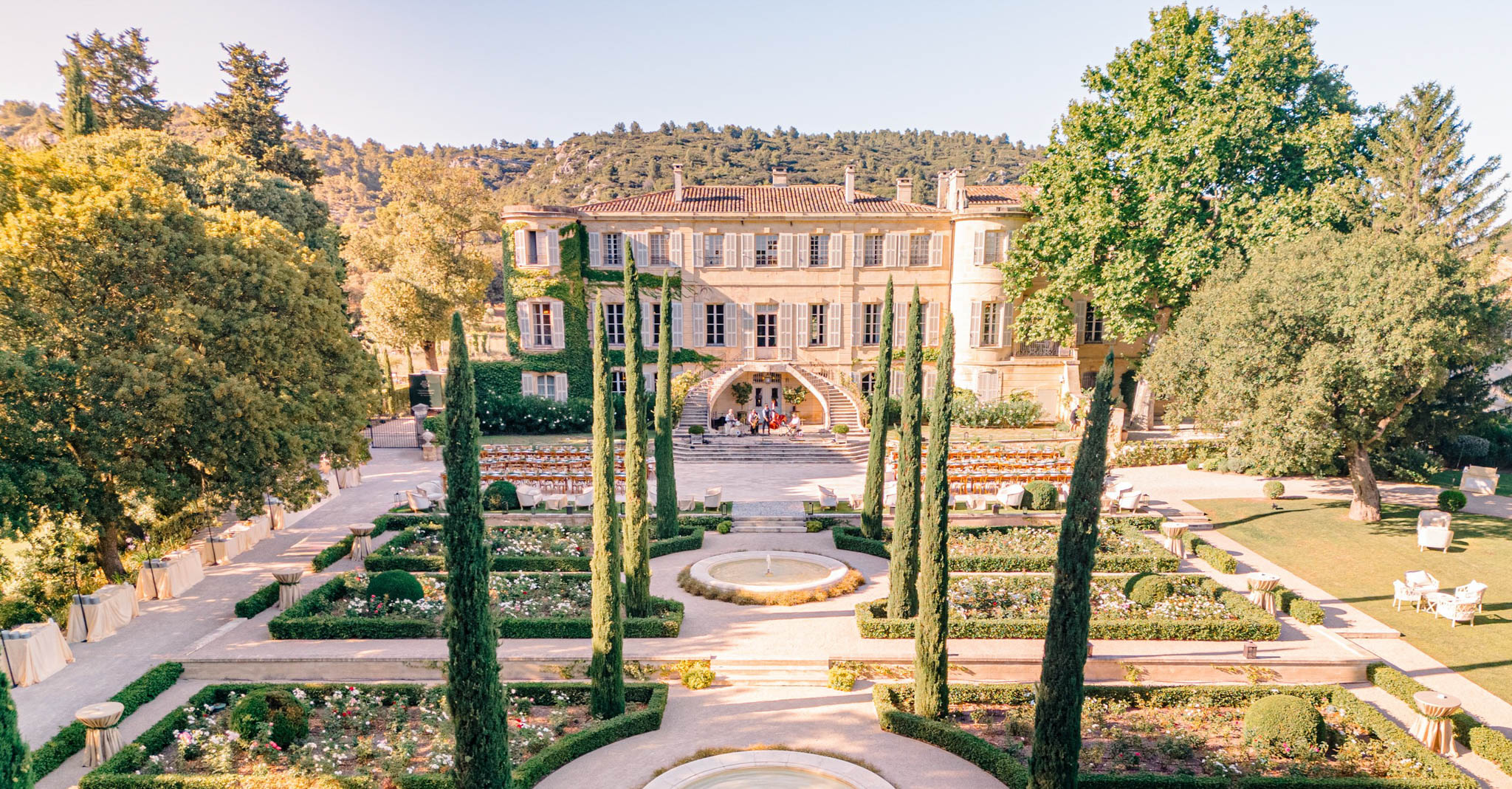
Three primary styles dominate the French wedding videography market, and the right choice depends on what you want to remember about the day. Cinematic highlight films (3 to 5 minutes) are the format that works best for French settings. They combine carefully selected moments from the day with music, ambient sound, and speech excerpts into a short, emotionally driven film. The style plays to the strengths of French wedding venues: sweeping exterior shots of a château façade at golden hour, intimate ceremony moments framed against stone architecture, long dinner tables lit by candlelight under plane trees. A well-produced highlight film captures the atmosphere of the day in a way that no other format can replicate. This is the film you will watch most often and share most widely. From the videographers in the French Wedding Style directory, documentary edits (20 to 60 minutes) capture the full ceremony, complete speeches, and key moments in chronological order with minimal artistic editing.
Short-form social edits (30 to 90 seconds, vertical format) are an increasingly common add-on. These are designed for sharing on Instagram or with family immediately after the wedding, typically delivered within 48 to 72 hours of the event. They are not a substitute for a proper highlight film but work well as a quick preview while the full edit is in production.
Do You Need Drone Footage and What Are the French Regulations?
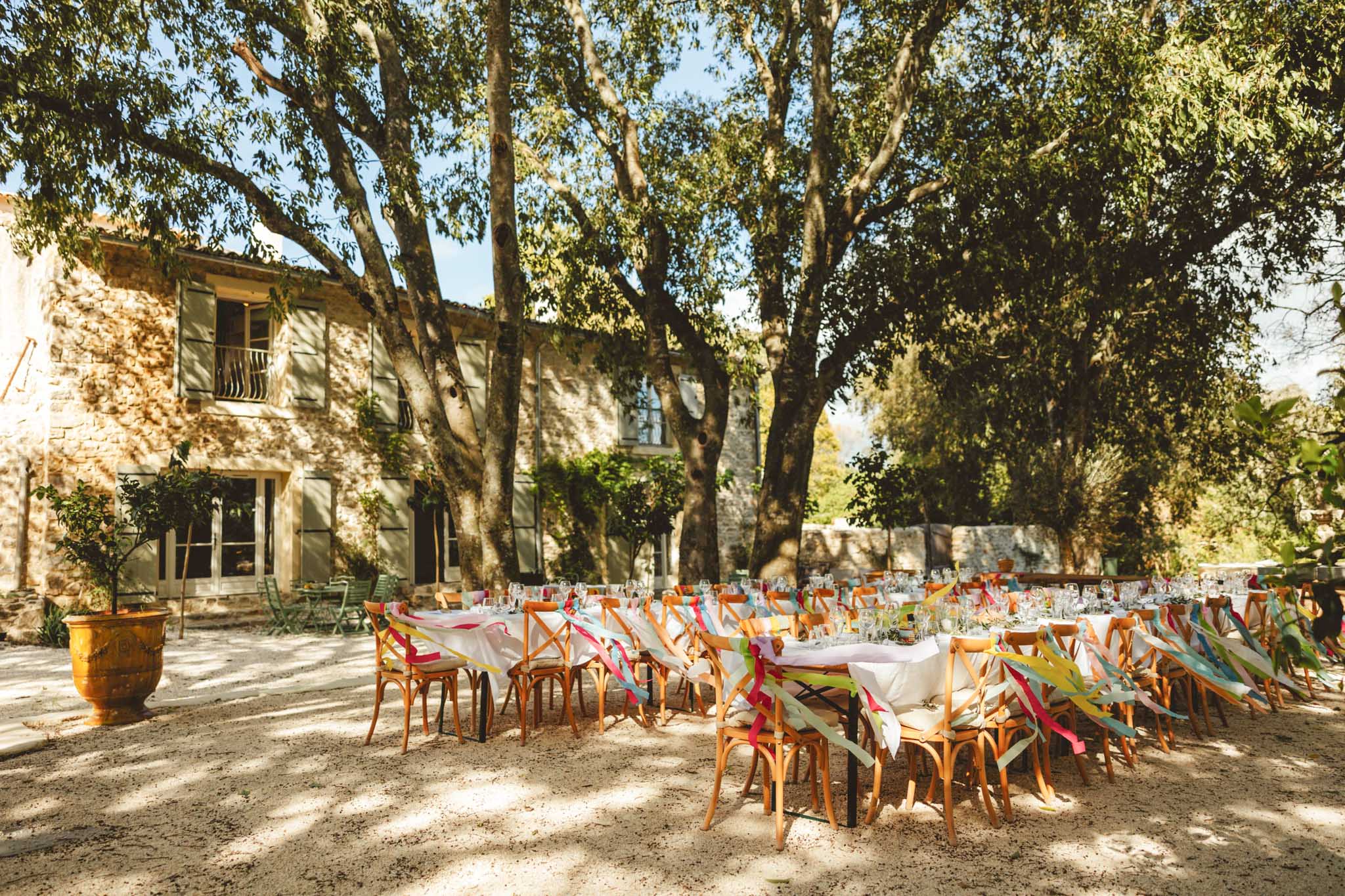
Aerial footage adds genuine production value to wedding films shot at French estates, particularly venues with formal gardens, long tree-lined drives, or settings surrounded by vineyards or lavender fields. A drone shot revealing the full scope of a vineyard estate in Provence or a countryside domaine in the Dordogne creates an opening sequence that ground-level footage simply cannot match. Drone operation in France requires a licence from the DGAC (Direction Générale de l'Aviation Civile), the French civil aviation authority. Professional videographers who offer drone services will already hold this licence. Always confirm by asking to see proof of certification. The process for obtaining the licence is straightforward, and established videographers in the destination market hold one as standard. For weddings at private, exclusive-use estates in rural areas, drone operation is generally uncomplicated. The property is private, the airspace is unrestricted, and the videographer controls the environment.
Complications arise in specific scenarios: venues near airports or military zones (restricted airspace), venues in built-up urban areas (flight altitude restrictions), venues in national parks or protected natural areas (environmental restrictions), and venues near other occupied buildings where privacy regulations apply. Your videographer should assess the venue location in advance and confirm whether drone footage is viable. If the venue is in a restricted zone, ground-level alternatives (crane shots, elevated positions within the venue grounds) can achieve similar establishing shots.
One practical note: drone noise is audible. Drone footage should be captured during preparation, in the gap between the ceremony and reception, or during a planned couple portrait session. Never during the ceremony itself.
How Do Photographer and Videographer Work Together on the Day?
The relationship between your photographer and videographer is one of the most underestimated logistics of the wedding day. Both are capturing the same moments from similar angles, and without advance coordination, they can obstruct each other's work, compete for the couple's attention, and create unnecessary tension during the most emotionally charged parts of the day. The ceremony is where coordination matters most. Both operators need clear positions for the processional, vows, ring exchange, first kiss, and recessional. A professional wedding photographer and videographer will discuss positioning in advance, agree on primary and secondary angles, and establish who has priority at specific moments. The standard approach: the photographer takes priority for still compositions during key moments (first look, processional, ring exchange), and the videographer takes priority for continuous sequences (vows, readings, musical moments). Both capture everything, but the priority agreement prevents them from stepping into each other's frames.
Couple portraits require a shared plan. Some couples allocate separate time for photo portraits and video portraits. Others prefer a combined session where both operators work simultaneously, with the videographer capturing candid movement while the photographer directs posed compositions. Discuss this with both vendors before the day and include the plan in your timeline. Audio is exclusively the videographer's domain. Wireless lavalier microphones on the groom (or both partners) and the celebrant capture the ceremony audio that makes the film emotionally resonant. The videographer should coordinate microphone placement with the celebrant during the rehearsal.
The Assumptions That Derail Videography Planning
Skipping videography entirely. Budget constraints, the perception that photography is "enough," or simply not prioritising video during the planning process leads many couples to skip videography. The regret surfaces consistently in post-wedding feedback. Photography captures how the day looked. Video captures how it sounded and felt: the tremor in a voice during the vows, the laughter during a speech, the first notes of the song that started the dancing. These are the details that disappear from memory first. Judging a videographer by their showreel alone. A showreel is a marketing tool compiled from the best moments across dozens of weddings. It tells you about editing skill and aesthetic taste, not about consistency or how the videographer performs at a venue they have not filmed before. Our complete guide to which French venue types offer the best settings for wedding films walks through the details. Ask to see a complete highlight film from a single wedding, ideally at a setting similar to yours. Watch for low-light reception footage, indoor ceremony spaces, and transitions between locations.
Leaving deliverables vague in the contract. "A highlight film" can mean anything from a 2-minute slideshow set to music to a 6-minute cinematic production with original colour grading and custom audio design. Confirm the exact deliverables: film duration, number of edits, whether raw footage is included, the delivery format, and the turnaround timeline. Get these in writing. For guidance on what French vendor contracts should include, read our guide to vendor contracts, deposits, and TVA in France.
Hiring someone with no French venue experience. French wedding settings present specific challenges that experienced operators handle instinctively: stone interiors that affect audio, ceremonies in full afternoon sun followed by receptions in candlelit courtyards, long multi-course dinners that stretch across three hours. For a deeper look, see our guide to how light and landscape vary between French regions for wedding videography. A videographer experienced in the French market knows how to manage these transitions. One who primarily films UK hotel weddings may not.
Related Articles
- Building your vendor team: the complete chapter guide
- Finding a wedding photographer in France
- Finding English-speaking vendors in France
- French wedding bands and DJs: costs, curfews, and playlists
- French vendor contracts, deposits, and TVA explained
Frequently Asked Questions
How much does a wedding videographer cost in France?
Wedding videography in France ranges from €2,500 to €10,000+ as of 2026. Mid-market videographers charge €2,500 to €3,000 for single-operator coverage with a highlight film. Established videographers charge €3,000 to €5,500 for full-day coverage with a team of two, multiple edits, and drone footage. Top-tier production teams charge €5,500 to €10,000+ for multi-day, multi-operator coverage with custom cinematic films.
Is drone footage legal at French weddings?
Drone operation requires a DGAC licence, and professional videographers who offer the service will hold one. For weddings at private, exclusive-use estates in rural areas away from restricted airspace, drone footage is straightforward. Restrictions apply near airports, military zones, built-up urban areas, and some national parks. Your videographer should assess the venue location in advance and confirm feasibility.
What is the best film style for a French wedding?
Cinematic highlight films (3 to 5 minutes) are the format that best showcases French wedding settings. The combination of French architecture, landscapes, and natural light lends itself to cinematic storytelling. Most couples also commission a longer documentary edit (20 to 60 minutes) to preserve the full ceremony and speeches. The highlight film is the one you watch and share most frequently; the documentary is the archival record.
Should the photographer and videographer meet before the wedding?
Yes. Introduce them by email at least one month before the wedding so they can coordinate ceremony positions, couple portrait logistics, and the overall shot plan. Both are capturing the same moments from similar angles, and advance coordination prevents on-the-day friction. The best results come from operators who have worked together before or who take the time to plan collaboratively.
What is the biggest mistake couples make with videography?
Not booking a videographer at all. Photography captures how the wedding looked; video captures how it sounded and felt. The details that disappear from memory first, voices during vows, laughter during speeches, the energy of the dance floor, are exactly the details that film preserves. Couples who skip videography consistently cite it as their primary planning regret.
How long does it take to receive the final wedding film?
Delivery timelines vary by tier and complexity. Mid-market videographers typically deliver in 8 to 16 weeks. Established videographers in 10 to 20 weeks. Top-tier production teams, particularly those with custom soundtrack and colour grading, may take 12 to 24 weeks. Social media edits (30 to 90 seconds) are often delivered within 48 to 72 hours as a preview while the full edit is in production. Confirm the timeline in your contract.
Book your videographer alongside your photographer, not as an afterthought three months before the wedding. The best videographers in destination regions book 12 to 18 months ahead, and the two operators need time to coordinate. Browse our directory of wedding videographers across France to compare styles and pricing by region.
Explore Every Guide in This Chapter
Deep-dive into each topic covered above.