
Visiting Venues in France: What to Look For
A venue website can show you the best angles, the golden-hour light, and the gardens in full bloom. It cannot show you the noise from the road behind the reception terrace, the condition of the bathrooms at the end of the corridor, or the fact that the ceremony lawn slopes sharply to the left.
For international couples planning a wedding in France, a site visit is unquestionably the most valuable step between shortlisting and signing a contract. Below is how to plan venue visits from abroad, what to inspect on site, and the France-specific details that separate a wise booking from an expensive mistake. For a broader view of every step involved, see our step-by-step destination wedding planning guide for France.
Key Takeaways
- Plan to visit four to six venues over a three-day trip. More than two per day leads to decision fatigue and rushed assessments.
- Photos hide noise from neighbours and roads, kitchen condition, actual bathroom count and standard, mobile signal, access road quality, and the distance between ceremony and reception spaces.
- France-specific checks include septic tank capacity for your guest count, electrical capacity (single-phase vs three-phase), water pressure, and whether the property has the commune permits required for events.
- Red flags include reluctance to show the Plan B space, vague contract terms, no specific vendor references, and visible maintenance issues the venue has not addressed.
- Virtual tours are useful for shortlisting. They are never sufficient for a final booking decision.
How Many Venues Can You Realistically Visit in a Trip?
Four to six venues in three days is the realistic maximum for a productive visit trip. This allows two venues per day with adequate travel time between them, time for follow-up notes after each visit, and a buffer for longer conversations at properties that impress you. Scheduling more than two visits per day leads to decision fatigue. By the third venue on the same afternoon, every stone wall starts to look the same, and you lose the ability to distinguish the details that actually matter. Build your trip around geography: cluster visits by region to minimise driving. A day visiting two châteaux in the Loire Valley is efficient. A day driving from Provence to the Dordogne and back is not. Before booking flights, shortlist eight to ten properties from your online research, then narrow to your top six based on email exchanges with each venue. Ask for a detailed information pack, the full rate card, and the contract template before visiting.
What Does a Venue Visit Reveal That Photos Cannot?
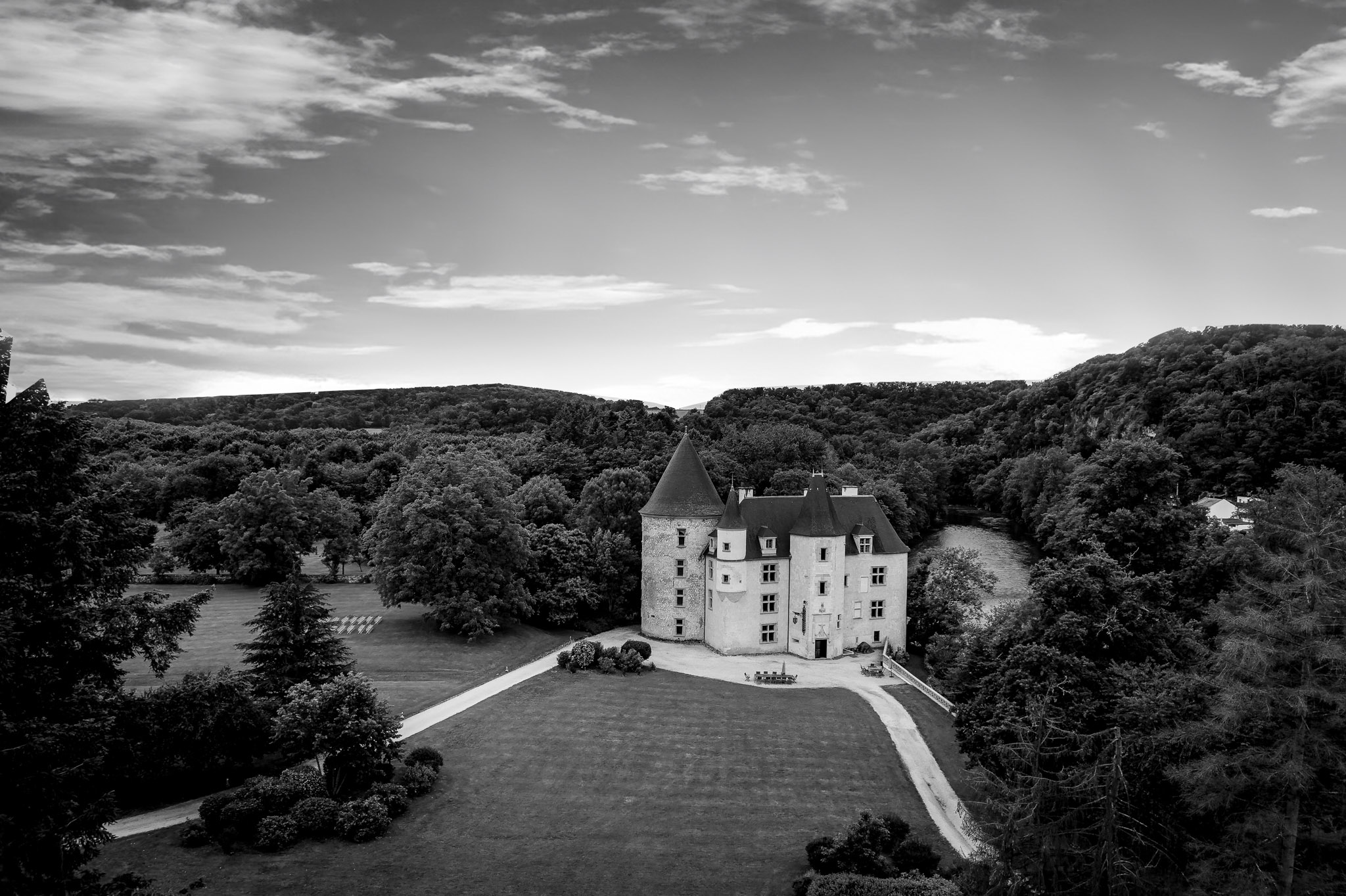
Professional venue photography is designed to sell. Every image is taken at the best angle, in the best light, with the grounds at their seasonal peak. A site visit reveals everything the camera was carefully positioned to exclude. Sound. Stand in the ceremony space and listen. Is there road noise? Aircraft from a nearby flight path? Dogs barking at a neighbouring farm? A river that photographs well but creates a constant background roar during speeches? Sound is invisible in photos and decisive in reality. Ask the venue owner to stand at the far end of the ceremony space while you try to hear normal conversation. This tests the acoustic viability of the space for vows and readings without amplification. Scale and proportion. Wide-angle lenses make rooms look larger than they are. Stand in the reception room and estimate how 80 chairs, 10 round tables, a dance floor, a DJ booth, and a bar would fit. Walk the distance between the ceremony space and the reception. Time it.
Bathrooms. No venue website leads with bathroom photos, and this is exactly why you need to inspect them. Count the number of guest-accessible toilets. Check the standard of fittings. Confirm whether they are inside the main building or in an outbuilding that requires walking across a courtyard. For 80 guests, a minimum of four to six toilets is necessary to avoid queues. If the venue falls short, you will need to hire portable facilities at €1,500 to €3,000.
The kitchen. If your venue operates on a dry-hire or approved-traiteur model (which covers 66% of FWS-listed venues), the kitchen is your traiteur's workspace. Open the kitchen. Check the size, the number of ovens, the cold storage, the workspace, and the power supply. A domestic kitchen with a single oven will not serve 100 guests a three-course dinner. Your traiteur will need to bring mobile equipment, adding cost and complexity.
Access and parking. Drive to the venue the way your guests will drive. Is the road well-signposted? Is it wide enough for a coach? Is the last kilometre a gravel track that turns to mud in rain? Where will 40 cars park? Where will the catering truck, florist's van, and furniture hire lorry access the site? These logistics are invisible in aerial drone shots but define the practical success of the wedding day.
What France-Specific Details Should You Check on Site?
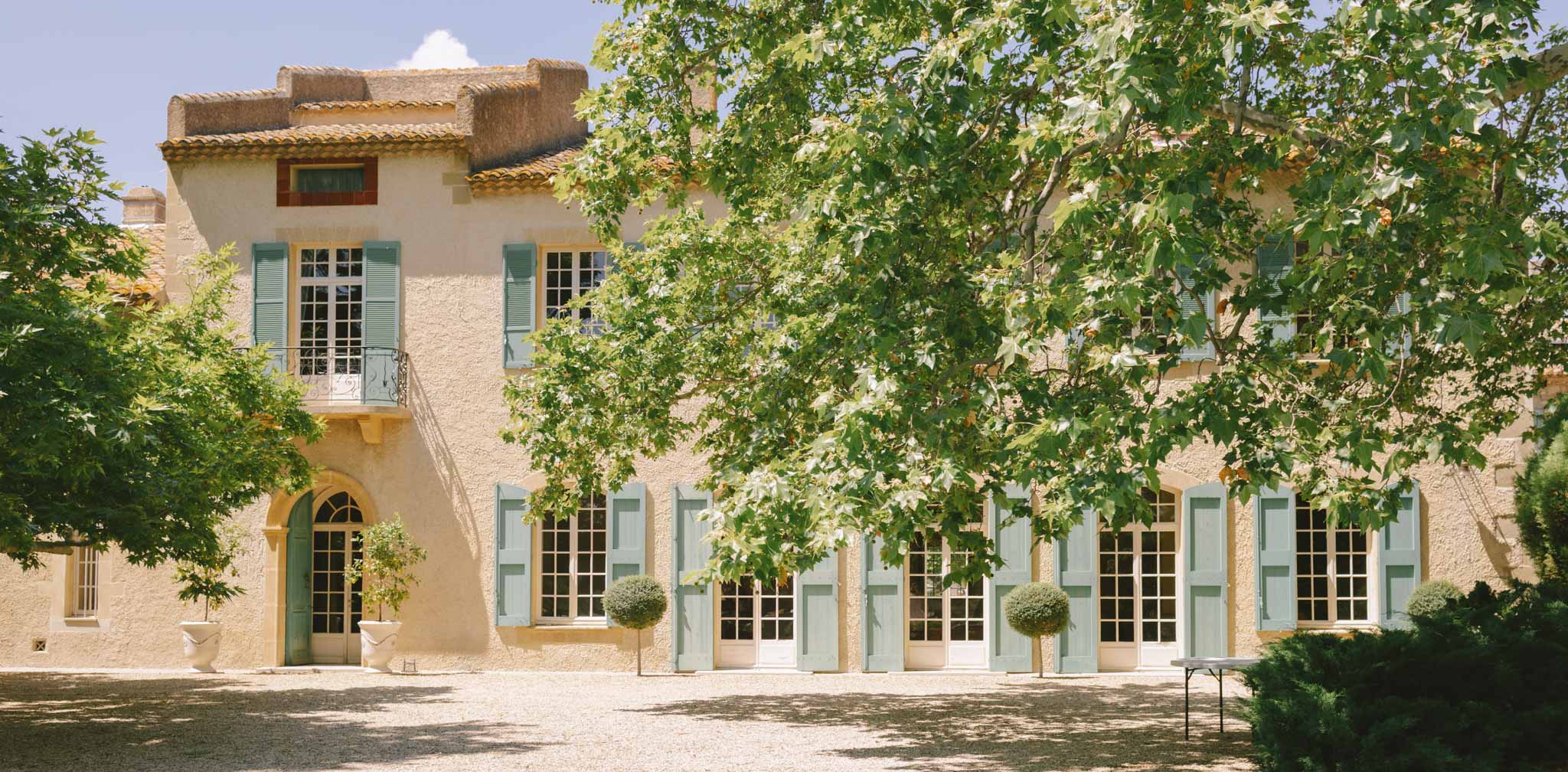
Beyond the universal checklist items that apply to any wedding venue anywhere, French properties have specific infrastructure and regulatory considerations that international couples rarely encounter at home. Septic capacity. Many rural French venues, particularly châteaux and domaines in the Dordogne, Lot, and rural Provence, rely on septic systems (fosse septique) rather than mains drainage. A domestic septic system designed for a household of eight will not cope with 120 wedding guests over a weekend. Ask the venue what the septic capacity is rated for, and whether it has been upgraded for event use. Overloaded septic systems create problems that are unpleasant to describe and more unpleasant to experience. Electrical capacity. French domestic properties typically run on single-phase power (monophasé), which provides 6kW to 12kW. A wedding with full catering, professional lighting, a sound system, and a band requires 20kW to 40kW, which means three-phase supply (triphasé) or a generator. Ask whether the venue has three-phase power or an on-site generator. If neither, budget €800 to €2,000 for generator hire.
Water pressure. Test the taps in the kitchen and in multiple bathrooms simultaneously. Rural properties with private water supply (forage) can experience dramatic pressure drops when multiple outlets are running. Low water pressure affects catering, guest comfort, and cleaning. This is not a question you can ask over email. It requires a physical test on site.
Mobile signal. Check your phone signal in the ceremony area, reception space, kitchen, and guest bedrooms. Rural France has significant mobile coverage gaps, and a venue in a valley surrounded by hills may have no signal from any network. If signal is poor, confirm that the venue's Wi-Fi is reliable enough for vendor coordination, guest communication, and any live-streaming plans.
Commune permits and event licence. Ask to see the venue's event licence or the commune's written authorisation for events at the property. Not every French property marketed as a wedding venue has formal permission to operate as one. An event at an unlicensed property risks intervention by the mairie, noise complaints without legal protection, and insurance complications. A venue that operates legally will have documentation and share it without hesitation.
What Are the Red Flags at a French Wedding Venue?
Certain warning signs during a venue visit should prompt serious caution. None of these individually disqualifies a venue, but two or more in combination suggest problems ahead. Reluctance to show the Plan B space. Every French venue should have a credible wet-weather alternative for outdoor ceremonies and receptions. If the venue owner avoids showing this space, talks vaguely about "moving inside," or shows you a room that is clearly too small for your guest count, the Plan B does not exist in a meaningful way. From the properties listed on French Wedding Style, 89% offer outdoor ceremony locations. But outdoor-focused venues without strong indoor alternatives leave you exposed to weather that you cannot control. Vague contract terms. A professional venue provides a detailed written contract specifying every inclusion, exclusion, date, payment, and condition. If the venue relies on verbal agreements, handshake deals, or a one-page "confirmation letter" rather than a proper contrat de location, this is a significant risk. French contract law protects both parties, but only when terms are documented.
No specific vendor references. Ask the venue for the names and contact details of traiteurs, photographers, and planners who have worked at the property recently. A venue that cannot provide specific references, or offers only vague "we work with lots of people," either hosts very few weddings or has poor vendor relationships. Both are concerns.
Visible maintenance issues. Peeling paint on a listed monument is character. A leaking roof above the reception hall is a problem. Broken pool fencing, non-functional outdoor lighting, overgrown paths that are supposed to be guest routes, or bathrooms with visible plumbing issues all indicate that the property is not maintained to the standard required for a premium event. Maintenance issues visible during a scheduled visit will be worse on the days the owner is not expecting visitors.
Pressure to book immediately. "Another couple is looking at this date" may be true, but a venue that pressures you into a decision before you have reviewed the contract, compared it with other options, and discussed it with your partner or planner is prioritising their booking over your confidence. Professional venues allow a reasonable decision period of one to two weeks after a visit.
Should You Visit at the Same Time of Year as Your Wedding?
Visiting in the same season as your planned wedding date is valuable but not essential. A July visit for a July wedding shows you the gardens at full bloom, the light quality at your ceremony time, the actual temperature in the reception space, and the condition of outdoor areas in peak use. You experience the venue as your guests will experience it. A winter visit for a summer wedding misses those details, but it reveals the permanent infrastructure: the building condition, the kitchen, the bathrooms, the access road, and the reception room layout. These do not change with the season. If your schedule allows only one visit and it falls outside your wedding season, prioritise the infrastructure assessment. Ask the venue for photos and video from weddings held in your target month. Request references from couples who married in the same season. A skilled outdoor wedding venue will have documentation showing how the property looks across the year.
Can Virtual Tours Replace an In-Person Visit?
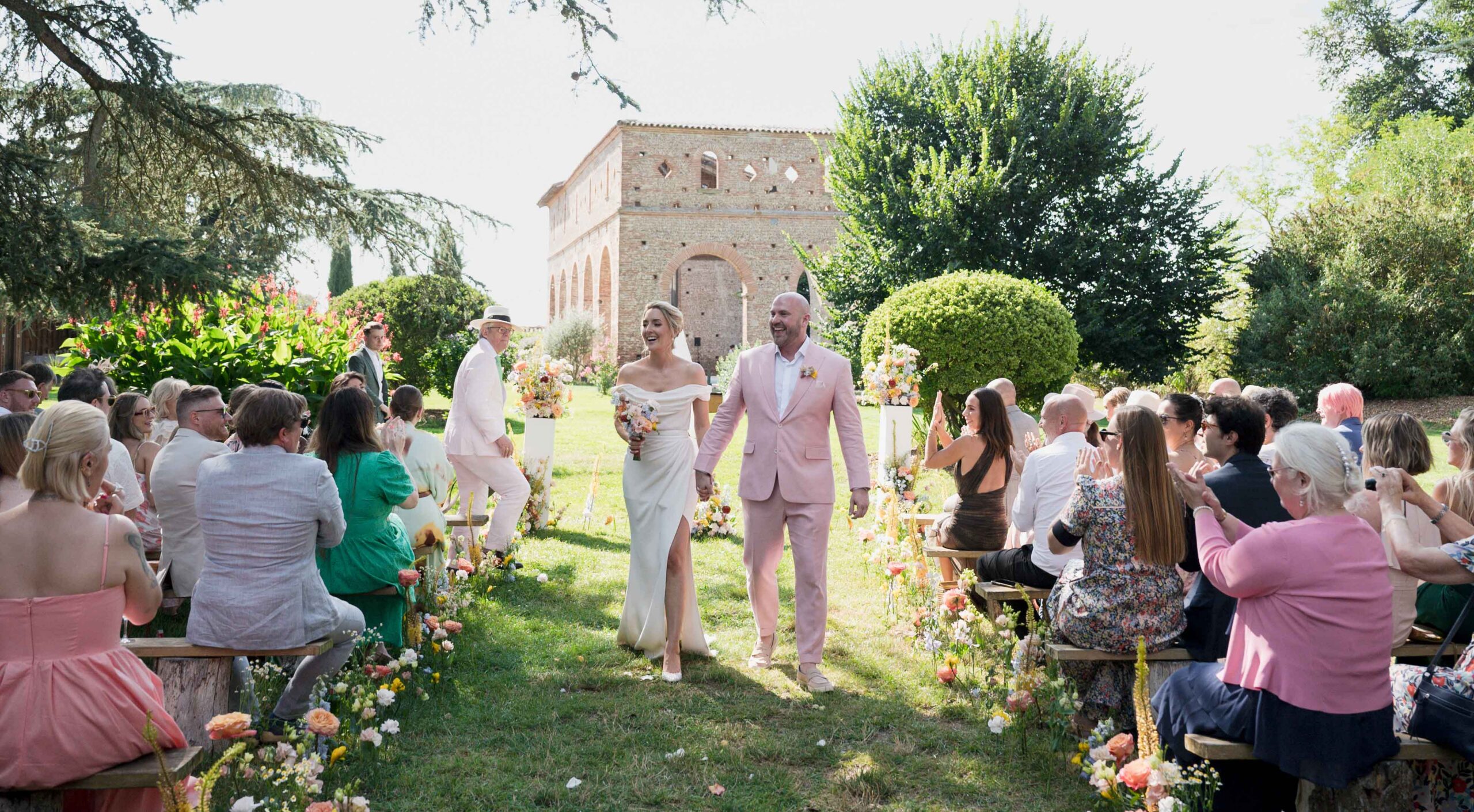
Virtual tours, video calls with the venue owner, and drone footage are all useful tools for narrowing a shortlist from eight properties to three. They are not sufficient for making a final booking decision. A 360-degree virtual tour shows you the spaces but cannot convey the sound environment, the smell of the gardens, the feel of the gravel underfoot, or the true scale of the reception room. A video call with the owner gives you a sense of their personality and professionalism, but it does not reveal the condition of the bathrooms on the second floor or the state of the access road after rain. Use virtual tools for phase one: eliminating venues that clearly do not match your requirements. Use an in-person visit for phase two: confirming that your top three choices work in reality, not just on screen. The investment in a three-day trip to France, typically €500 to €1,500 for flights and accommodation, is negligible against a venue booking of €8,000 to €30,000. See how this couple brought this to life at Château de Fonscolombe in Provence.
If circumstances genuinely prevent an in-person visit (health, budget, timeline), send a trusted representative. A wedding planner based in France can visit on your behalf, inspect the property with professional eyes, and provide a detailed report. Several English-speaking wedding planners on FWS offer venue scouting as a standalone service. This is a worthwhile investment when an in-person visit is impossible.
Common Planning Mistakes to Avoid on Venue Visits
Too many venues in one day produces confusion, not clarity. By the third property on the same afternoon, every stone wall looks the same. Limit visits to two per day and leave 30 minutes after each to write down your impressions while they are fresh. Atmosphere is seductive. Infrastructure is what matters on the day. A vine-covered courtyard lit by fairy lights is atmosphere. The electrical supply that powers those fairy lights, the kitchen that feeds your guests, and the septic system that handles the aftermath are infrastructure. A venue with wonderful atmosphere and poor infrastructure will deliver a stressful wedding day. Bring the right person. Our guide to how a French wedding planner coordinates venue visits and negotiations explains the specifics. If you are working with a wedding planner, bring them to the venue visit or arrange a separate visit for them. A planner who has coordinated 50 weddings at French venues will notice infrastructure issues, contract red flags, and logistical challenges that first-time couples cannot see.
Related Articles
- French wedding venue types explained
- 50 questions to ask your French wedding venue
- How French wedding venue pricing works
- All-inclusive versus dry-hire venue costs in France
- Château wedding venues in France
- Destination wedding venues in France
Frequently Asked Questions
Should we tell the venue we are visiting other properties?
Yes, and it works in your favour. Venues that know you are comparing options will often provide their most detailed information pack upfront, including the full rate card and contract template. Some will offer a follow-up call after your visit to answer additional questions. If a venue reacts negatively, that tells you something valuable about how they handle professional relationships. Ask each venue what distinguishes them from other properties in the region.
Is it worth visiting a venue in winter for a summer wedding?
A winter visit reveals what photos never show: whether the heating works, whether the access road floods, whether the building has damp issues, and how the venue team operates when they are not in peak-season performance mode. Ask the owner to walk you through their setup for a typical July wedding, including where the caterer parks, where the generator sits, and which trees provide afternoon shade. Request a portfolio of summer wedding photos taken at the property, ideally by different photographers to avoid staged angles.
Can a wedding planner visit venues on our behalf?
Yes. Several France-based planners offer standalone scouting days covering two to three venues, with a detailed written report including photos and a scored assessment. Expect to pay €300 to €800 for this service. The advantage is that a planner who has coordinated 50 weddings will test the kitchen water pressure, measure the reception room, and check the electrical panel, things most couples would not think to do. Ask the planner to video-call you from the property so you can see spaces in real time and ask questions directly.
What should we bring to a venue visit?
Beyond the obvious (phone, notebook, comfortable shoes), bring a tape measure for checking whether your planned table layout fits the reception room, a portable phone charger for a full day of photos and video, and a printed copy of your 50 questions checklist. Record a short video walking from the ceremony space to the reception at normal guest pace. Time it. If the walk takes more than four minutes on gravel, plan for guests in heels and elderly relatives who will need an alternative route or shuttle.
Book the trip before you book the venue. A three-day visit to France costs a fraction of the venue fee, and no couple has ever regretted seeing a property in person before signing. The investment in flights and a rental car pays for itself the moment you walk into a reception room and realise the photos told only half the story. Browse all wedding venues in France to build your visit shortlist, or return to our complete guide to finding your venue for the full chapter.
Explore Every Guide in This Chapter
Deep-dive into each topic covered above.