
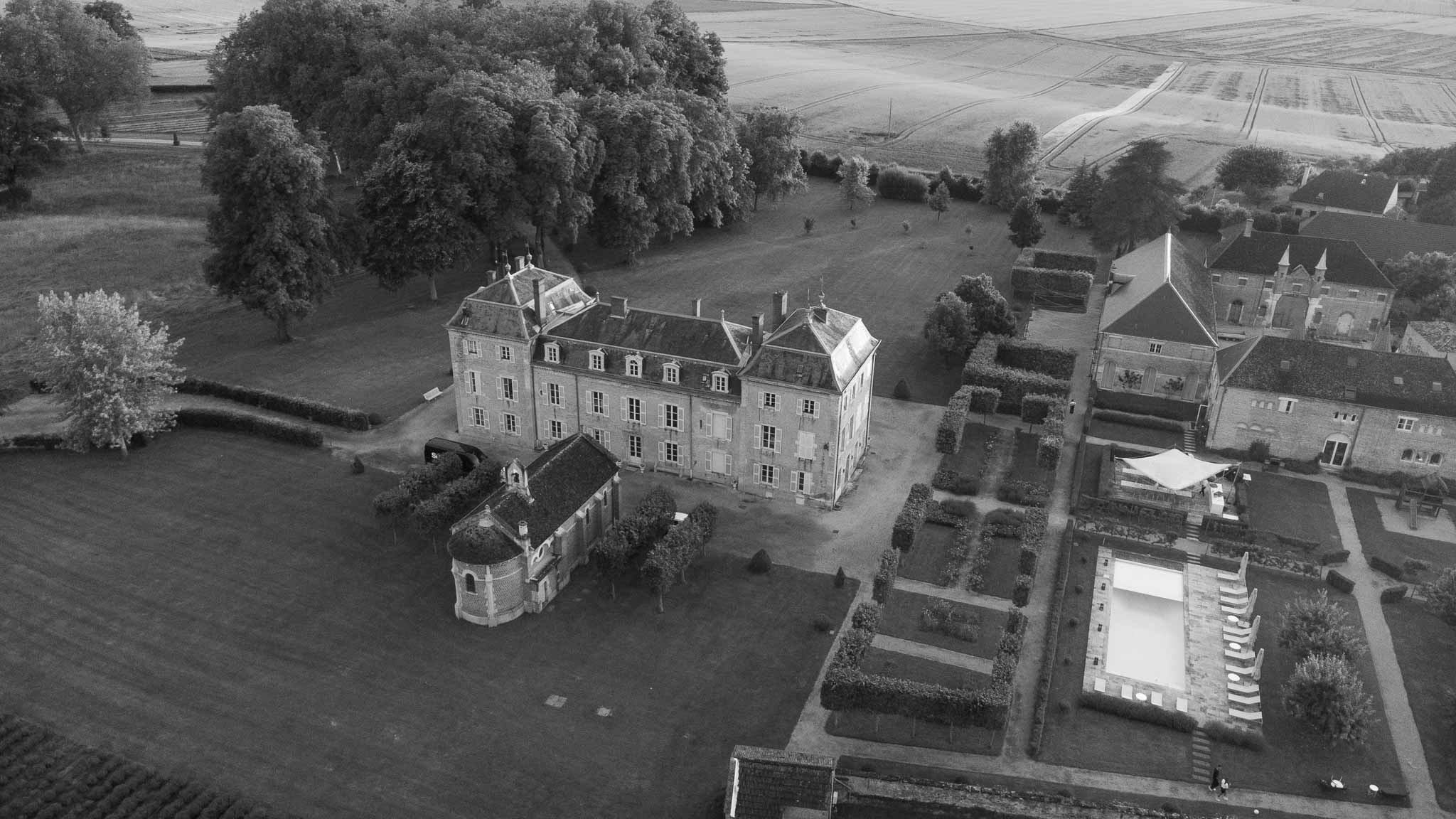
Venue Pricing Explained: Site Fee, Packages, Hidden Costs
French wedding venue pricing works differently from anything you will encounter in the UK or the US, and understanding those differences before you start comparing properties will save you thousands of euros and months of confusion. This guide breaks down exactly how venue costs fit into your overall French wedding budget, from the site fee structure to the hidden extras that catch international couples every year. For a broader view of every step involved, see the full planning guide for destination weddings in France.
Key Takeaways
French wedding venue pricing operates on a fundamentally different model from the UK or US, and understanding these five structural differences before you compare properties will prevent thousands of euros in miscalculated budgets. A French site fee (frais de location) typically covers two to three days of exclusive estate access, not a single evening in one room. All-inclusive packages for 80 guests range from €35,000 to €58,000 in 2026, while dry-hire venues at a mid-range property that appear cheaper on paper typically reach €53,000 to €101,000 once logistics are added. Prices at the same property can vary by €10,000 between a peak Saturday in July and an off-peak weekday in March. Hidden extras including generators, portable toilets, and liability insurance routinely sit outside quoted prices. Always confirm whether figures are HT (excluding 20% VAT) or TTC (all taxes included).
- A French venue site fee (frais de location) typically covers the entire estate for two to three days, not a single event space for one evening.
- All-inclusive venues in France cost €35,000 to €58,000 total for 80 guests in 2026. Dry-hire venues start cheaper but typically reach €53,000 to €101,000 once logistics are added.
- Venue prices vary by up to €10,000 between peak Saturday in July and off-peak weekday in March at the same property.
- Hidden costs including generator hire (€800 to €2,000), portable toilets (€1,500 to €3,000), and liability insurance (€200 to €500) are routinely excluded from quoted prices.
- Always confirm whether a quoted price is HT (hors taxes, excluding VAT) or TTC (toutes taxes comprises, all taxes included). French VAT adds 20% on goods and 10% on services.
How Does Wedding Venue Pricing Work in France?
A frais de location is the site fee charged by a French wedding venue for exclusive use of the entire property, typically over a two-to-three-night weekend stay. Unlike UK venue hire, which usually covers a single room for one evening, a French frais de location grants private access to all grounds, gardens, reception spaces, and on-site accommodation for the full rental period. The fee covers property maintenance, garden and pool upkeep, security staffing, basic furniture such as tables, chairs, and parasols, and utilities including water and electricity.
Site fees in 2026 range from €3,000 for a rural barn in the Dordogne to over €50,000 per day at a Parisian landmark. Three pricing models operate across the French market: all-inclusive packages (forfait mariage) starting at €35,000 for 80 guests, hybrid venues with a required traiteur list, and true dry-hire (location sèche). The hybrid model is by far the most common structure as of 2026.
The median site fee across all FWS-listed venues is €8,750, with 56% of properties charging under €10,000. The range spans from €400 for a rural Languedoc domaine to over €100,000 for a prestige Riviera estate, illustrating how dramatically the term "venue cost" shifts by region and property type. This distinction is the key concept for international couples to understand.
A French château charging €15,000 for a three-night weekend is not equivalent to a UK country house charging £5,000 for a Saturday. The French fee delivers the full estate as a private residence for your wedding party across multiple days. Welcome dinners, pool days, farewell brunches, and the wedding itself all happen within that single fee. Across the 400+ venues listed on French Wedding Style, this multi-day privatisation model is the standard, not the exception.
What Does a French Venue Site Fee Include?
The inclusions within a French venue site fee vary significantly between properties, and the gap between what is covered and what is charged as an extra is where international couples most frequently miscalculate their budget. Standard inclusions are estate grounds, gardens, reception rooms, on-site accommodation with beds made and basic breakfast, furniture such as tables, chairs, and parasols, utilities including water, electricity, and Wi-Fi, garden and pool maintenance, security staffing, and pre and post-event cleaning. Catering, florals, photography, entertainment, and guest transport are almost always charged separately.
One area that consistently surprises British and American couples is furniture: some venues provide reception tables, chairs, and basic linens, while others provide nothing beyond empty rooms. Hiring 100 chairs, 10 banquet tables, and quality linens from a rental company adds €2,000 to €5,000 to a dry-hire budget. Always confirm whether quoted prices are HT (hors taxes) or TTC (toutes taxes comprises), because 20% TVA applied to a €15,000 quote adds €3,000.
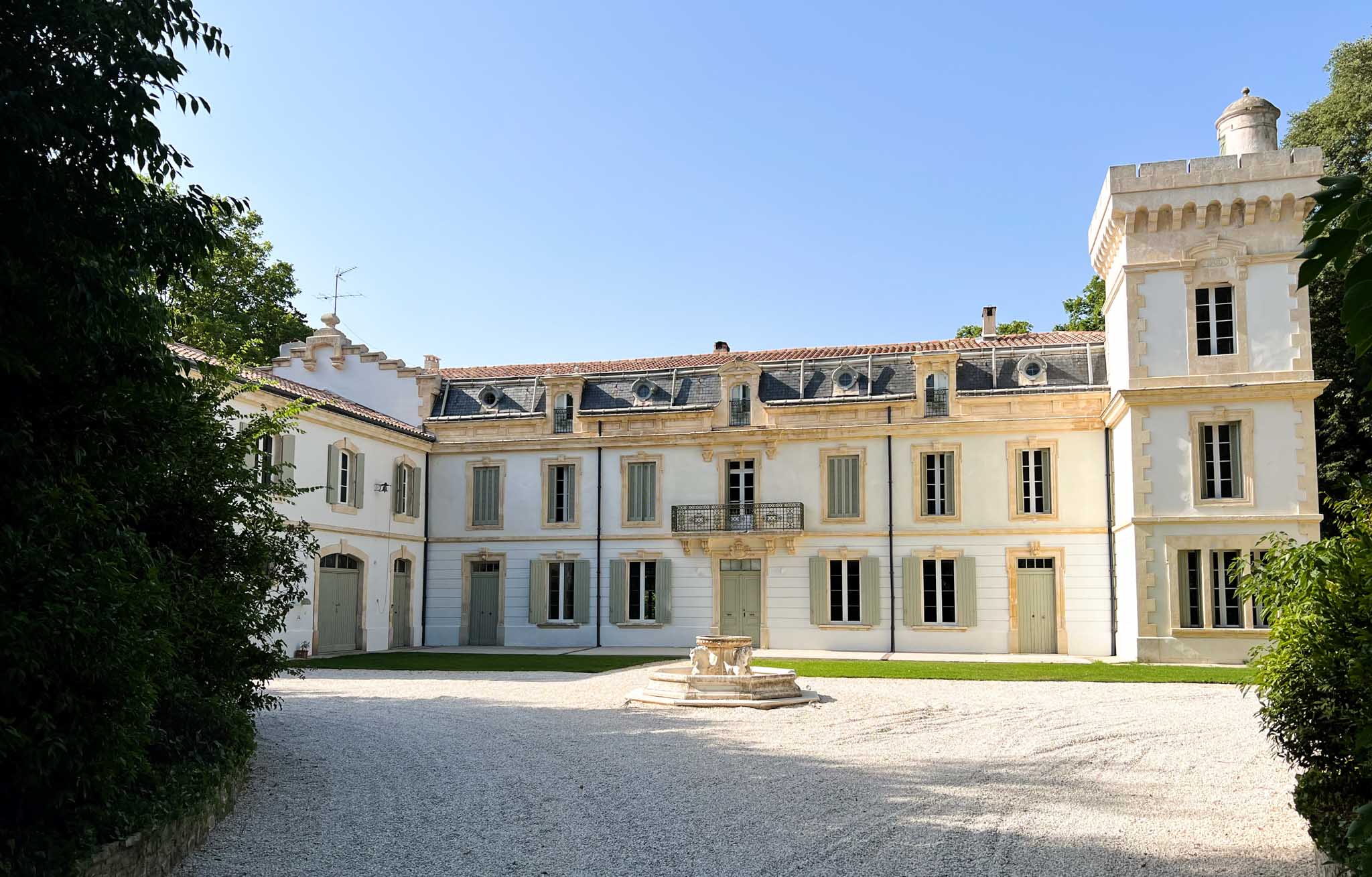
| Typically Included in Site Fee | Almost Always Extra |
|---|---|
| Estate grounds, gardens, reception rooms | Catering and drinks service |
| On-site accommodation (beds made, basic breakfast) | Photography and videography |
| Basic furniture: tables, chairs, loungers, parasols | Florals, décor, and styling |
| Utilities: water, electricity, Wi-Fi | Entertainment: DJ, band, musicians |
| Garden and pool maintenance | Guest transport and shuttles |
| Security and on-site staff | Additional furniture or specialist lighting |
| Cleaning (pre and post-event) | Overtime charges beyond contracted hours |
How Much Does a Wedding Venue Cost in France in 2026?
Venue costs in France range from €3,000 for a weekend at a rural farmhouse in the Dordogne to over €50,000 per day at a Parisian landmark property, with the realistic all-in total for 80 guests spanning €35,000 to €300,000 depending on tier and region. Budget-tier rural properties charge €3,000 to €10,000 for a weekend with all-in totals of €35,000 to €55,000. Mid-range châteaux and domaines cost €8,000 to €20,000, reaching €55,000 to €90,000 total. Premium estates run €20,000 to €45,000 for the venue alone, with totals of €90,000 to €150,000. Top-tier iconic properties on the Cote d'Azur or in Paris command €30,000 to €60,000 in site fees, pushing totals to €150,000 to €300,000. Catering is the largest single cost beyond the venue fee, running €150 to €280 per head for food before drinks. The four tiers break down as follows.
- Budget: rural properties at €3,000 to €10,000 for a weekend, with a realistic all-in total of €35,000 to €55,000
- Mid-range: châteaux or domaines at €8,000 to €20,000, reaching €55,000 to €90,000 total
- Premium: estates at €20,000 to €45,000, reaching €90,000 to €150,000 total
- Top-tier: iconic properties on the Cote d'Azur or in Paris at €30,000 to €60,000, reaching €150,000 to €300,000 total
Catering is the largest single cost beyond the venue fee, running €150 to €280 per head for food before drinks. A traiteur serving 80 guests with cocktail hour, seated dinner, wine service, and late-night food typically invoices €14,000 to €25,000 depending on the menu and region.
| Venue Tier | Site Fee (Weekend) | Realistic All-In Total (80 Guests) |
|---|---|---|
| Budget: rural farmhouse, barn, or private villa | €3,000 to €10,000 | €35,000 to €55,000 |
| Mid-range: château or domaine with accommodation | €8,000 to €20,000 | €55,000 to €90,000 |
| Premium: prestige estate or 5-star property | €20,000 to €45,000 | €90,000 to €150,000+ |
| Top-tier: iconic property, Paris or Côte d'Azur | €30,000 to €60,000+ | €150,000 to €300,000+ |
The total column in the table above includes venue, catering, key vendors (photographer, florist, music), coordination, and logistics. It does not include guest travel, accommodation beyond what the venue provides, or the couple's personal costs such as attire and rings.

How Do Venue Costs Vary by Region?
Venue pricing in France varies dramatically by region, and choosing your location before setting your budget is the most effective cost lever available to international couples. The difference between a wedding venue in Provence and a comparable property in the Dordogne can be €10,000 to €20,000 on the site fee alone. Provence and the Cote d'Azur command the highest fees at €15,000 to €45,000 for a weekend, while the Dordogne and South-West remain the best value for comparable château properties at €3,000 to €12,000 with a strong English-speaking vendor network. Bordeaux wine country charges €8,000 to €25,000, the Loire Valley offers strong value at €6,000 to €20,000 in lesser-known departments like Sarthe and Loir-et-Cher, Paris and Ile-de-France run €10,000 to €50,000 often using day-rate pricing, and Normandy matches Dordogne rates at €3,000 to €10,000 with convenient access from both Paris and London.
| Region | Typical Venue Fee (Weekend) | Notes |
|---|---|---|
| Provence and Côte d'Azur | €15,000 to €45,000 | Highest demand. Book 18 to 24 months ahead for peak summer. |
| Paris and Île-de-France | €10,000 to €50,000 | Comparable to the South of France. Day-rate pricing more common. |
| Bordeaux and wine country | €8,000 to €25,000 | Growing market. Vineyard estates increasingly popular. |
| Loire Valley | €6,000 to €20,000 | Good value in lesser-known departments (Sarthe, Indre, Loir-et-Cher). |
| Dordogne and South-West | €3,000 to €12,000 | Best value for comparable château properties. Strong English-speaking vendor network. |
| Normandy | €3,000 to €10,000 | Excellent value inland. Well-connected from Paris and London. |
| Occitanie (Languedoc, Aude, Hérault) | €4,000 to €15,000 | Similar southern light to Provence at noticeably lower prices. |
The price drivers are straightforward: sun, sea, and prestige. Coastal Provence and the Riviera command the highest fees because international demand is concentrated there. Inland regions with equally characterful architecture, such as the Lot, Gers, and Corrèze, remain significantly more affordable because the destination wedding market has not yet fully discovered them. For a detailed breakdown, see our guide to regional price differences across France.
What Hidden Costs Come on Top of the Venue Fee?
The venue site fee is the starting point, not the total, and international couples consistently underestimate the additional costs that sit outside the quoted price, particularly at dry-hire and rural properties where hidden extras can add €5,000 to €15,000 before any catering or entertainment is booked. Generator hire for châteaux without sufficient electrical capacity runs €800 to €2,000 per weekend, premium portable toilet facilities for 80 or more guests cost €1,500 to €3,000, event liability insurance adds €150 to €400, and corkage fees range from €5 to €35 per bottle depending on venue tier. French TVA at 20% on goods and 10% on services is frequently excluded from initial quotes, so confirming whether each figure is HT or TTC before comparing prevents cumulative surprises of €3,000 to €5,000 across all vendor invoices. A 10 to 20% contingency buffer is essential.
- Generator hire for châteaux without sufficient electrical capacity runs €800 to €2,000 per weekend, and some Parisian venues charge up to €4,000 for electricity as a separate line item
- Premium portable toilet facilities for 80 or more guests cost €1,500 to €3,000
- Event liability insurance (responsabilité civile), required by virtually every French venue, adds €150 to €400
- A security deposit (caution) of €1,000 to €5,000 is held against property damage and returned after checkout inspection
- Corkage fees (droit de bouchon) range from €5 to €10 per bottle at mid-range venues to €20 to €35 at premium châteaux
- French TVA adds 20% on goods and 10% on services, so always confirm whether quotes are HT (hors taxes) or TTC (toutes taxes comprises)
- Budget a contingency of 10 to 20% of total spend, increasing for dry-hire or remote locations
- Generator hire: rural châteaux often lack the electrical capacity for full catering, lighting, and sound equipment. A weekend generator rental runs €800 to €2,000. Some premium Paris venues charge up to €4,000 for electricity as a separate line item.
- Portable toilet facilities: if the venue does not have sufficient bathrooms for 80+ guests, premium portable units cost €1,500 to €3,000.
- Waste removal and cleanup: dry-hire venues expect you to leave the property as you found it. Professional post-event cleaning and waste disposal runs €500 to €1,500.
- Event liability insurance (responsabilité civile): required by virtually every French venue. A responsabilité civile is an event liability insurance policy that covers damage to the property and injury to guests during your wedding. Cost: €150 to €400, non-negotiable.
- Taxe de séjour: a nightly tourist tax charged per person per night, collected by the venue and paid to the local municipality. Modest per guest but adds up across 40 guests over two nights.
- French VAT (TVA): goods are taxed at 20% and services at 10%. Always confirm whether quotes are HT (excluding tax) or TTC (all taxes included).
- Corkage fees (droit de bouchon): charged per bottle opened when you bring your own wine. Rates range from €5 to €10 per bottle at mid-range venues to €20 to €35 at premium châteaux.
- Security deposit (caution): typically €1,000 to €5,000, held against property damage and returned after checkout inspection.
- Overtime charges: every French supplier contract includes a defined end time. Extending beyond it triggers hourly overtime billing, often at rates that surprise couples who did not read the contract carefully.
For a comprehensive checklist, read our guide to hidden costs of a destination wedding in France. Budget a contingency of at least 10% of your total spend. Increase this to 15 to 20% for dry-hire venues, rural or remote locations, and outdoor ceremonies with no permanent indoor backup.
“The single question I wish every couple asked on their first venue visit, and almost nobody does: whether the venue takes commission from vendors. It directly affects which suppliers the venue recommends to you, and understanding that dynamic changes how you evaluate their preferred vendor list.”
How Do Season, Day of Week, and Minimum Stays Affect Price?
Timing is the most powerful pricing lever after location. The difference between a peak Saturday in July and an off-peak weekday in March at the same French venue can reach €10,000 on the site fee alone. Across the broader budget, shifting to shoulder season or a weekday wedding delivers 20 to 30% savings on total spend. Off-season months from November to March yield a 20 to 40% reduction on the venue fee plus 10 to 25% savings on traiteurs, photographers, and florists.
A Friday wedding saves 15 to 25% on venue fees, while a midweek Monday-to-Wednesday date saves 30 to 50%. On a €50,000 total budget, moving from a peak Saturday to a shoulder-season Friday realistically saves €10,000 to €15,000 for the same quality of experience. French venues require minimum stays of two to three nights because single-day events are operationally inefficient. This weekend rental model, typically Friday to Sunday, is standard across France. August carries the same peak pricing as June and July with no discount advantage.
| Timing Factor | Venue Saving | Vendor Saving |
|---|---|---|
| Off-season (November to March) | 20% to 40% reduction | Traiteur 10-20%, photographer 10-20%, florist 15-25% |
| Friday wedding | 15% to 25% reduction | Photographer 10-20%, DJ 15-25% |
| Thursday wedding | 25% to 35% reduction | Most vendors negotiate meaningfully |
| Monday to Wednesday | 30% to 50% reduction | Significant across all categories |
| August vs June/July | No difference (all peak) | No difference |
Where International Couples Go Wrong with French Venue Pricing
The most expensive mistake international couples make is comparing the dry-hire venue fee against the all-inclusive total package rather than comparing total cost against total cost. A dry-hire château advertising €8,000 for a weekend looks dramatically cheaper than an all-inclusive property quoting €35,000, but once catering at €15,000 to €25,000, logistics at €12,000 to €20,000, staffing at €3,000 to €6,000, and a wedding planner at €5,000 to €10,000 are added, the realistic dry-hire total reaches €53,000 to €101,000 for 80 guests while the all-inclusive delivers a comparable experience for €35,000 to €58,000 fully coordinated. The second common error is assuming French pricing works like UK or US pricing, where British couples expect single-day hire with per-head catering and American couples expect a comprehensive package covering flowers to favours. French venue pricing operates on neither model: the site fee is a property rental, and catering, vendors, and logistics are separate contracts. Understanding how the French traiteur system works and what catering models to expect is essential before comparing venue quotes.
The third mistake is not confirming VAT treatment. When a French vendor quotes €15,000, international couples assume that is the final number. Our guide to the structural differences between château, domaine, and mas venues in France explains the specifics. In practice, the quote may be HT (hors taxes), meaning 20% TVA is added on top, bringing the real cost to €18,000. Always ask: "Est-ce TTC ou HT?" This single question, applied to every supplier quote, prevents cumulative budget surprises that can reach thousands of euros across a full wedding.
Finally, couples negotiate at the wrong time. There is usually little flexibility during peak season because dates sell easily. Our complete guide to how venue pricing shifts dramatically between French regions walks through the details. Negotiation is possible in off-peak months, particularly October, November, and April. The leverage point is not the site fee itself but the extras: additional nights, early check-in, use of specific spaces, or waived corkage on wine you source yourself.
Related Articles
These four guides expand on the venue pricing topics covered above, from the side-by-side cost comparison of all-inclusive versus dry-hire models to the complete checklist of hidden extras that add 15 to 25% to initial quotes. The regional price comparison maps venue fees and vendor costs across all major French wedding regions as of 2026, showing where a couple's euro stretches furthest. The budget wedding guide demonstrates how a well-planned celebration is achievable for under €20,000 with the right combination of guest count, region, and timing. Together, these articles form the core of the French Wedding Style cost planning chapter.
- All-inclusive versus dry-hire venue costs in France
- Hidden costs of a destination wedding in France
- Regional price differences across France
- Planning a wedding in France on a budget under €20,000
Frequently Asked Questions
How does corkage work at French wedding venues?
A droit de bouchon is a corkage fee charged per bottle opened, not per bottle brought to the venue. Rates run €5 to €10 per bottle at budget to mid-range venues, €10 to €20 at mid to upper-range properties, and €20 to €35 at premium châteaux. Bringing your own wine is completely normal and culturally accepted in France. Many couples source directly from a local cave coopérative at €5 to €20 per bottle, saving significantly compared to venue drinks packages.
Why do French venues require a minimum two-to-three-night stay?
The majority of French wedding venues (61%) require a minimum two-night stay, rising to three nights at peak-season properties in Provence and the Riviera. French wedding venues operate on a weekend privatisation model because the operational workload of preparation, event management, and post-event restoration makes single-day bookings inefficient for the property. The minimum stay typically runs Friday to Sunday and includes access to the entire estate for a welcome dinner, the wedding day, and a farewell brunch. This model delivers significantly more value than a single-evening venue hire, but couples must budget for the full stay rather than comparing it to a one-day UK or US venue cost.
What is the difference between arrhes and acompte in a French venue contract?
An arrhes is a deposit that allows either party to cancel the contract. The couple loses the deposit if they withdraw, and the venue pays double the deposit back if they cancel. An acompte is a legally binding part-payment. Once paid, the couple is committed to the full contract price regardless of cancellation. Most French venue contracts specify which type of deposit applies. Always check this clause before signing, as the financial implications of cancellation are fundamentally different under French contract law.
Do French venues negotiate on price?
There is usually little flexibility during peak season (June to September Saturdays) because dates sell easily without discounting. Negotiation is possible in off-peak months, particularly October, November, March, and April. The most productive approach is not to negotiate the headline site fee but to request added value: an additional night, early Friday check-in, use of a secondary reception space, or waived corkage on wine you source independently.
What deposit and payment schedule should I expect?
The standard French venue payment schedule is 30% deposit at booking, with the remaining balance due one month before the event. A separate security deposit (caution) of €1,000 to €5,000 is typically paid on arrival and returned after a post-event property inspection. Payment is usually by virement bancaire (bank transfer). Credit cards and PayPal are rarely accepted for large venue invoices in France.
Is French venue pricing better value than the UK or US?
French venues often deliver more for the site fee than comparable UK or US properties, particularly on food quality and multi-day access. A three-night château rental with on-site accommodation for 30 guests, grounds for the ceremony, and a professional kitchen for your traiteur represents a level of exclusivity that would cost significantly more in the UK. Exchange rate movements between GBP or USD and EUR can further shift the value equation in either direction. Monitor rates and consider using a specialist transfer service to lock in favourable rates on large payments.
Start your venue search by exploring all wedding venues in France, or return to our complete 2026 guide to destination wedding costs in France for budget breakdowns across every category.
Explore Every Guide in This Chapter
Deep-dive into each topic covered above.