
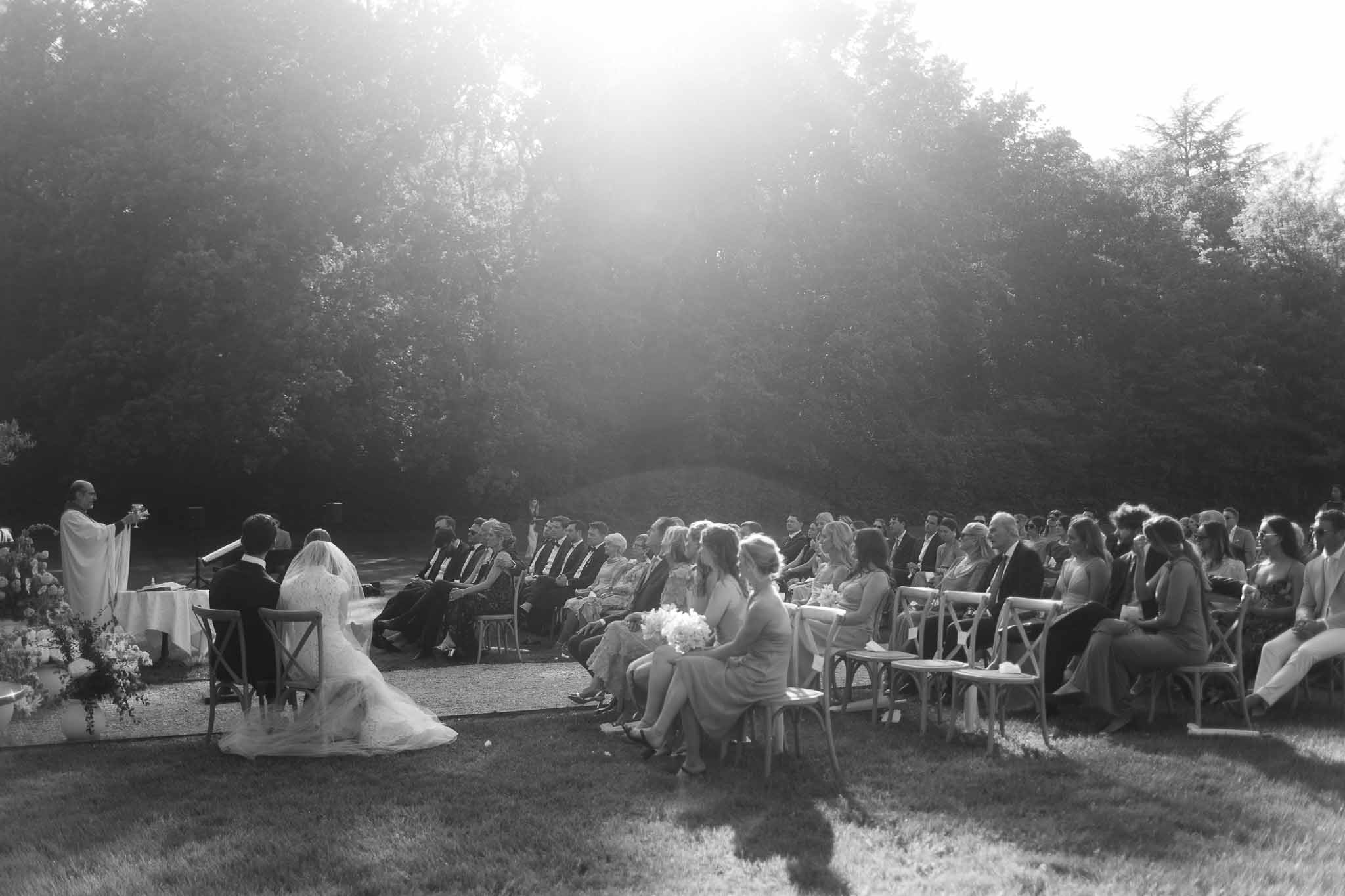
Sample French Wedding Day Timelines: 3 Detailed Schedules
Every couple planning a wedding in France asks the same question: what does the day actually look like, hour by hour? The answer depends on the season, the venue, the guest count, and the type of ceremony. A 150-guest château wedding in July follows a different rhythm from a 30-person winter celebration in Paris, which in turn looks nothing like a two-person elopement in Provence.
But all three share the same French DNA: a late start, a long meal, and a night that stretches well past midnight. This guide provides three complete timelines, each drawn from real French weddings, with practical notes on why each decision was made and where the timing flex points are. This forms part of planning your destination wedding in France from start to finish. For the full chapter, see our complete wedding day timeline guide.
Key Takeaways
- French wedding timelines run later than Anglo ones. Ceremonies start between 4pm and 6pm. Dinner begins at 8pm to 9pm. Dancing peaks at 1am to 2am. The day is designed around the light, the food, and the social rhythms of French celebration.
- A summer château wedding for 120 to 150 guests follows the classic timeline: 10am preparation, 5pm ceremony, 5.30pm to 8pm vin d'honneur, 8.30pm dinner, 11.30pm dancing, 4am to 5am wind-down.
- A winter city wedding compresses the schedule: earlier ceremony (3pm to 4pm), shorter vin d'honneur (1 to 1.5 hours), dinner at 7.30pm, dancing by 10.30pm.
- An elopement or micro-wedding (under 20 guests) strips the timeline to its core: ceremony, intimate meal, and perhaps a few hours of celebration. The entire day can run 6 to 8 hours from first preparation to last glass.
What Does a Summer Château Wedding Timeline Look Like?
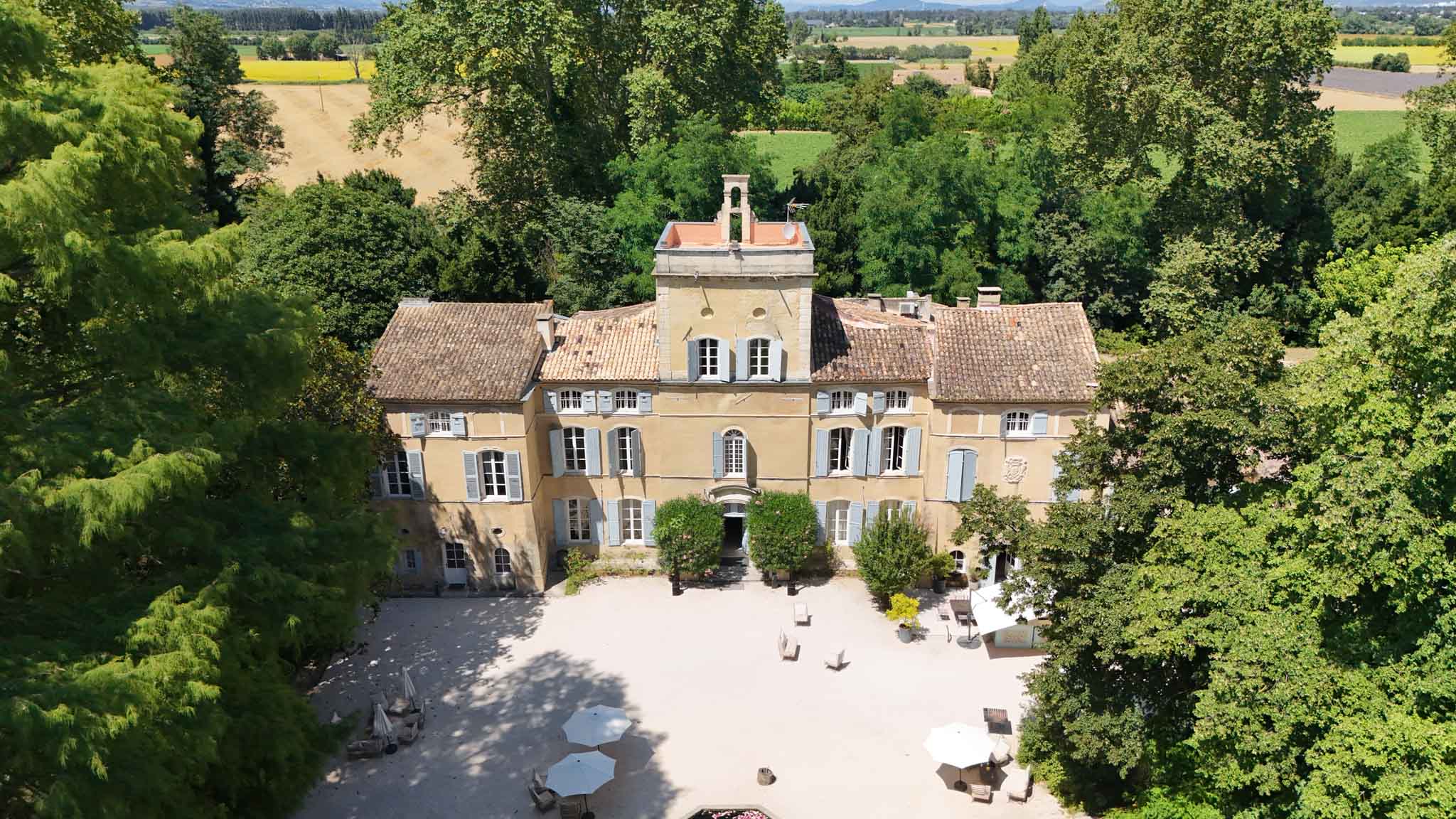
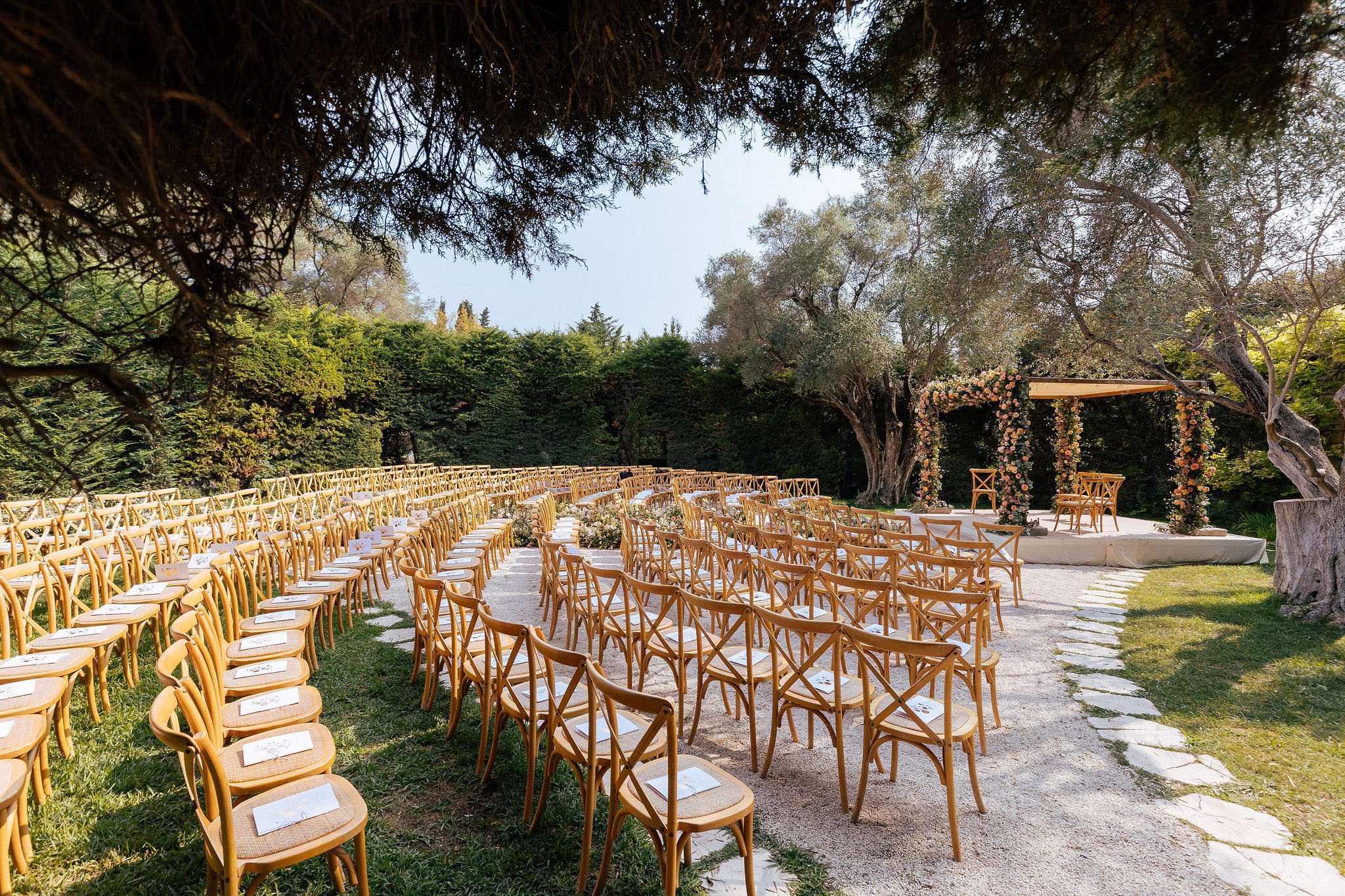
This is the classic French destination wedding. A château in the Loire Valley, Provence, or the Dordogne. 120 to 150 guests, most staying on-site or at nearby hotels. A weekend celebration with the wedding on Saturday. Late June to early September, when the light lasts until 9.30pm and the air stays warm past midnight. The flex points in this timeline: the ceremony can shift 30 minutes earlier or later without affecting the dinner (the vin d'honneur absorbs the difference). The dinner can start 30 minutes later if the vin d'honneur runs long (this happens at nearly every French wedding). The dancing start time is driven by the dinner duration, not the clock. If dinner finishes at 11pm, dancing starts at 11pm. If dinner runs to midnight, dancing starts at midnight. French guests do not watch the clock.
| Time | Activity | Notes |
|---|---|---|
| 8.00am | Breakfast in the bridal suite | Coffee, croissants, fruit. Keep it light. The caterer often provides this. |
| 8.30am | Photographer arrives. Detail shots begin. | Dress, shoes, rings, jewellery, invitation suite, perfume. 30 minutes of setup and shooting. |
| 9.00am | Hair and makeup begins. Bridesmaids first. | 1 artist: bridesmaids at 45 min each (9am to 12pm). 2 artists: bridesmaids done by 11am. |
| 12.00pm | Bride's hair and makeup begins. | Allow 1.5 to 2 hours. The bride goes last so the look is freshest. |
| 1.00pm | Light lunch for the bridal party. | Sandwiches, salads, water. Eat before the dress goes on. Nothing with sauce. |
| 2.00pm | Bride gets dressed. Groom begins getting ready. | Separate spaces. Photographer splits time or second photographer covers the groom. |
| 2.30pm | Bride fully dressed. Final details. | Veil, earrings, shoes, perfume. Mirror moment with mother or MOH. |
| 3.00pm | First look (optional). | Private reveal between the couple. 10 min for the moment, 20 min for portraits. |
| 3.30pm | Couple portraits in the grounds. | Golden light is building. Use the gardens, the façade, the vineyard, the tree-lined allée. |
| 4.15pm | Guests arrive. Ceremony musicians play. | Guests are guided to the ceremony area. Programmes distributed. |
| 4.30pm | Ceremony assistant positions the bridal party. | Bridesmaids, groomsmen, parents in their places. Celebrant confirms final details. |
| 5.00pm | Ceremony begins. | 20 to 35 min. Symbolic ceremony outdoors. Light is warm, low, and directional. |
| 5.30pm | Ceremony ends. Confetti. Vin d'honneur begins. | Champagne trays appear. Jazz trio starts. Canapés circulate within 10 minutes. |
| 5.45pm | Couple portraits (if no first look). | 30 to 40 min. Photographer uses the golden-hour window. Best light of the day. |
| 6.15pm | Couple joins the vin d'honneur. | Circulate. Greet guests. Enjoy the champagne. This is your party. |
| 6.30pm | Family group portraits. | Pull families away in small groups. 15 to 20 min total. Pre-plan the shot list. |
| 7.30pm | Canapé service slows. Vin d'honneur winds down. | Subtle cues: bar switches, music lowers. Dinner is 30 minutes away. |
| 8.00pm | Dinner announced. Guests find their seats. | Plan de table at the entrance. Place cards at each setting. 15 to 20 min to settle. |
| 8.30pm | Amuse-bouche or first course served. | White wine poured. Background music. Conversation builds. |
| 9.00pm | Best man's speech (after the first course). | 5 to 8 minutes. Plates cleared during or just after the speech. |
| 9.15pm | Fish course (if included). | Optional. Adds 30 min to the dinner. Common at formal château weddings. |
| 9.45pm | Main course served. | Red wine. This is the centrepiece of the meal. |
| 10.15pm | Parents' speech (after the main course). | 5 to 10 minutes. Emotional, personal. Wine glasses are full. |
| 10.30pm | Cheese course. | 5 to 8 cheeses on a board. French guests expect this. International guests love it. |
| 11.00pm | Couple's thank-you speech. | Short and warm. Introduce the dessert. |
| 11.15pm | Pièce montée or dessert. Lights dim. Sparklers. | The theatrical moment. Champagne toast. Applause. |
| 11.30pm | First dance. Dance floor opens. | Parents join after 1 min. Floor opens to all. Energy shifts to celebration. |
| 12.00am | Dancing in full swing. | DJ builds the energy. Floor is packed. Shoes are off. |
| 1.30am | Late-night food served. | Soupe à l'oignon, croque-monsieurs, or pizza. Announced from the DJ booth. |
| 2.00am | Peak dance floor energy. | The 1am to 2am window is the high point for most French weddings. |
| 3.00am | DJ winds down. Playlist takes over. | Slower tracks. Volume drops. Bar simplifies to spirits and beer. |
| 4.00am to 5.00am | Last guests drift to bed. | Candles burn low. The day is done. Breakfast will be at 10am. |
How Does a Winter City Wedding Differ?
A December wedding in Paris, Lyon, or Bordeaux for 60 to 80 guests changes the timeline in ways that affect every phase of the day. Sunset is at approximately 5pm in most French cities during winter, which means the ceremony must start by 2.30pm to 3pm if you want any natural light for portraits. The vin d'honneur (cocktail hour) compresses to 60 to 75 minutes rather than the summer standard of 90 to 120 minutes. Dinner starts before 8pm to maintain the flow and prevent a long gap between the cocktail hour and the first course. The late party typically starts earlier too, with guests on the dance floor by 10.30pm rather than midnight. Indoor venues are essential: a historic venue, a restaurant with a private dining room, or a hotel ballroom. The entire timeline shifts forward by roughly two hours compared to a July château wedding, and the compressed daylight window makes photographer scheduling more precise.
| Time | Activity | Notes |
|---|---|---|
| 8.30am | Breakfast in the hotel suite. | Winter mornings in France are dark until 8.30am. No rush. |
| 9.00am | Hair and makeup begins. | Same timeline as summer. The ceremony is earlier, so the morning is tighter. |
| 12.30pm | Bride's hair and makeup complete. | Getting dressed immediately. No first look (limited daylight for outdoor portraits). |
| 1.00pm | Bride dressed. Indoor portraits begin. | Use the hotel room, a grand staircase, or a lit corridor. Flash or continuous light. |
| 1.30pm | Travel to ceremony venue (if not the hotel). | Paris traffic: allow 45 minutes even for short distances. Book a driver. |
| 2.30pm | Guests arrive at the ceremony venue. | Coat check is essential. French winter ceremonies need a warm welcome. |
| 3.00pm | Ceremony begins. | Indoor symbolic ceremony. Candles and warm lighting replace golden-hour sun. |
| 3.30pm | Ceremony ends. Vin d'honneur begins. | Indoor cocktails. Champagne, warm canapés. 1 to 1.5 hours maximum. |
| 3.45pm | Brief outdoor portraits (if daylight permits). | 15 min only. The last light fades by 4.30pm in December. Speed and intention. |
| 5.00pm | Dinner announced. Guests seated. | Winter dinners can start earlier. The evening feels established by 5pm in December. |
| 5.30pm | First course served. | Richer, warmer food: velouté, foie gras, terrines. Winter menus lean into comfort. |
| 6.00pm | Best man's speech. | Between the starter and main. Candlelight, warm room, intimate energy. |
| 6.30pm | Main course. | Beef bourguignon, duck confit, rack of lamb. Hearty, wine-friendly mains. |
| 7.15pm | Parents' speech. | After the main. Emotional in the candlelit warmth. |
| 7.30pm | Cheese course. | Winter cheeses: Vacherin Mont d'Or, Comté, Roquefort, Époisses. |
| 8.00pm | Dessert. Pièce montée or individual desserts. | A bûche de Noël (yule log) replaces the pièce montée at December weddings. |
| 8.30pm | Couple's speech. Transition to dancing. | The evening is young. 8.30pm feels like 11.30pm at a summer wedding. |
| 9.00pm | First dance. Dance floor opens. | Earlier start means more dancing time before any curfew. |
| 11.00pm | Late-night food. | Soupe à l'oignon or raclette station. Winter comfort food. |
| 12.00am to 2.00am | Dancing continues. | City venues may have stricter curfews. Indoor sound only. |
| 2.00am to 3.00am | Party winds down. | Guests walk or taxi to hotels. The city is still alive outside. |
The key difference: winter weddings in France lose 2 to 3 hours of daylight compared to summer. The ceremony moves earlier, the dinner moves earlier, and the entire schedule compresses. The advantage is that the evening phase starts earlier, giving couples a longer dancing window before any curfew. A 9pm first dance means 5 to 6 hours of potential dancing, which is more than most summer weddings achieve (where dancing starts at 11.30pm). For winter-specific planning, our seasonal climate guide covers what to expect month by month.
What About an Intimate Elopement Timeline?
Two people (or two people and a handful of close family and friends) in a Provence village, a Parisian arrondissement, or a Normandy clifftop. Under 20 guests. No bridal party. A personal ceremony, a long lunch or dinner, and an evening that ends whenever it ends. Elopement timelines are flexible by nature. There is no bridal party to coordinate, no vin d'honneur to plan, and no transition logistics. The couple moves through the day at their own pace. The photographer is the only vendor who needs a schedule, and even that schedule can shift in real time. The advantage of a French elopement is that the country itself provides the atmosphere: a village square, a coastal path, a vineyard row, a Parisian bridge at golden hour. The setting does the work that 150 guests and a DJ do at a larger wedding.
| Time | Activity | Notes |
|---|---|---|
| 9.00am | Leisurely morning. Couple gets ready together or separately. | No bridal party means no staggered hair schedule. One HMU session: 1.5 hours. |
| 10.30am | Hair and makeup complete. | Both partners dress in the same space or adjacent rooms. |
| 11.00am | Getting dressed. Photographer arrives. | Detail shots, dressing shots, first look if the couple is dressing separately. |
| 11.30am | Couple portraits around the venue or village. | 45 min to 1 hour. The morning light is soft and even. Streets are quiet. |
| 12.30pm | Civil ceremony at the village mairie. | 15 to 20 min. Two witnesses required. The maire officiates with the tricolour sash. |
| 1.00pm | Walk to the restaurant or back to the venue. | In a village, the walk itself is part of the experience. Cobblestones, shuttered houses, morning market. |
| 1.15pm | Apéritif on a terrace or in a garden. | Champagne, olives, tapenade. 30 to 45 minutes of relaxed drinks. |
| 2.00pm | Seated lunch begins. | 3 to 4 courses. Regional menu. A long, leisurely meal over 2 to 3 hours. |
| 4.30pm | Lunch ends. Cheese and coffee. | The afternoon stretches. No schedule pressure. Digestifs if the mood calls for it. |
| 5.00pm | Golden-hour portraits (optional). | 20 to 30 min. The light at this hour in Provence or Normandy is the best of the day. |
| 5.30pm | Free time. Walk, rest, change clothes. | Some couples change into a second outfit for the evening. Others stay as they are. |
| 7.30pm | Dinner at a restaurant or private venue. | If the group is small (under 10), a private room at a local restaurant is the simplest option. |
| 10.00pm to 11.00pm | Evening winds down naturally. | No DJ, no dance floor. Just conversation, wine, and the company of the people who matter most. |
For couples considering an intimate celebration, our guides to intimate wedding venues in France and venue types explained cover the options from two-person elopements to 30-guest micro-weddings.
Related Articles
- Wedding day timeline: the complete guide
- Morning: getting ready at a French venue
- The ceremony at a French wedding
- From vin d'honneur to dinner
- The evening: dinner and dancing
- The late night and after-party
- Seasonal climate guide for French weddings
- French wedding venue types explained
- Choosing your wedding photographer in France
- Why hire a French wedding planner
- Château wedding venues in France
- Intimate wedding venues in France
- Destination wedding venues in France
- Wedding venues in Provence and the south of France
- Browse all wedding venues in France
Frequently Asked Questions
Can we move the ceremony earlier to have more time before dinner?
You can, but you will lose the late-afternoon light that makes French outdoor ceremonies so photogenic. A 3pm ceremony in July means the sun is high, the shadows are hard, and the guests are hot. A 5pm ceremony means the light is low, warm, and directional. The vin d'honneur absorbs the time between the ceremony and dinner, so moving the ceremony earlier does not change the dinner start. It simply gives you a longer cocktail period, which may not be what you want. The one exception: winter weddings, where daylight is limited and an earlier ceremony (3pm to 4pm) captures the last natural light.
What if dinner runs longer than expected?
It will. French wedding dinners almost always run 20 to 30 minutes longer than planned, because speeches run over, the kitchen paces the courses to the table energy, and the cheese course invites lingering. Build this buffer into your timeline. If you want dancing by 11.30pm, plan for dinner to start at 8pm (not 8.30pm). If the dinner runs to midnight, start dancing at midnight. The DJ and the guests will not mind. The worst outcome is rushing the cheese course to hit a dancing deadline. Never rush the cheese.
Do we need a timeline for a micro-wedding?
You need a lighter version. Even with 10 guests, the photographer needs to know when to arrive, the restaurant needs a reservation time, and the celebrant needs to know when the ceremony starts. A one-page timeline with 8 to 10 time blocks covers a micro-wedding. Share it with all vendors and the guests a week before. The structure gives the day a shape without making it feel like a production.
Explore Every Guide in This Chapter
Deep-dive into each topic covered above.