
French Wedding Bands and DJ Guide
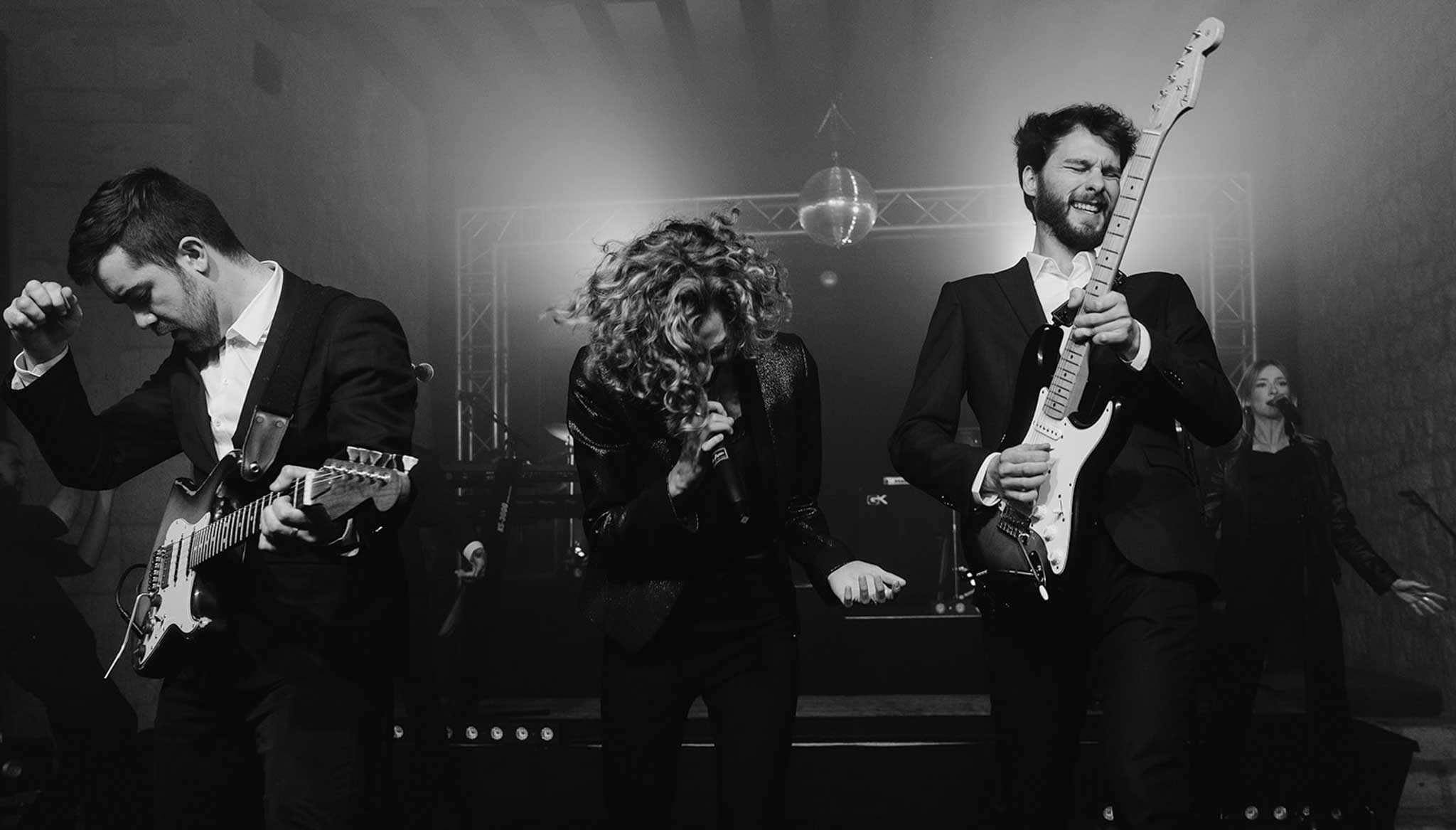
Music sets the emotional tempo of a French wedding more than almost any other element. The ceremony processional, the apéritif hour in the garden, the dinner service, the first dance, the party that follows: each phase has its own soundtrack, and getting the music right requires understanding how the French wedding music market actually works. DJs are more common and more affordable.
Live bands are growing in popularity and deliver a different energy entirely. And the French approach to the first dance, the curfew rules that govern every venue, and the guest performance traditions that define French celebrations are all different from what British or American couples expect. Costs, logistics, and the cultural context you need, as part of our complete guide to building your vendor team in France. For a broader view of every step involved, see the complete French destination wedding planning resource.
Key Takeaways
- DJs cost €1,500 to €5,000 in France. A trio or small band costs €3,000 to €6,000. A full live band costs €6,000 to €12,000+.
- The French first dance (ouverture de bal) is a different tradition: family members join quickly, turning it into a group moment rather than a spotlight performance for the couple.
- Sound curfews are venue-specific and non-negotiable. Indoor music at isolated venues can run until 4 to 5am. Venues near habitation typically enforce 2 to 3am curfews. Ask before booking.
- SACEM (the French music rights organisation) licensing is less restrictive for private events on private property than many couples assume.
- Guest performances, where friends and family prepare songs, skits, and toasts for the couple, are a genuinely moving French wedding tradition that international couples should plan for in the timeline.
How Much Does a Wedding Band or DJ Cost in France?
Based on vendor pricing across the French Wedding Style network, the French wedding music market splits cleanly between DJs and live bands, with pricing that reflects the logistical difference between one person with equipment and a full ensemble with sound, lighting, and transport for multiple musicians. The most common setup for international weddings in France is a DJ for the full evening, sometimes paired with a small acoustic ensemble for the ceremony and apéritif. This combination typically costs €3,000 to €7,000 total and covers music from the ceremony through to the last dance. A full live band for the entire evening is a significant budget commitment but transforms the energy of the party. Bands bring a physical presence, audience interaction, and spontaneous energy that recorded music cannot replicate, particularly in the courtyard or barn settings common at French château venues and domaine estates.
| Option | Price Range (2026) | What Is Typically Included |
|---|---|---|
| DJ | €1,500 to €5,000 | DJ plus sound system, 5 to 8 hours of music (dinner background + party), lighting package, playlist consultation. Travel included within home region. |
| Trio or small band (3 to 4 musicians) | €3,000 to €6,000 | Live performance for ceremony, apéritif, or first portion of the evening. Sound equipment. 2 to 4 hours of performance plus breaks. |
| Full band (5 to 8+ musicians) | €6,000 to €12,000+ | Full evening entertainment, professional sound and lighting, multiple sets with breaks (DJ fills gaps). May include ceremony or apéritif set. Transport and accommodation for the group. |
Travel and accommodation for bands add to the cost for venues outside major cities. A Paris-based band performing at a venue in Provence will add €500 to €1,500 for transport and overnight stays for the group. Regional bands reduce this cost significantly, and many established venues maintain a list of local musicians who know the space and its acoustics.
How Does the French First Dance Tradition Differ from UK and US?
The French first dance, known as the ouverture de bal (literally "opening of the ball"), follows a different cultural script from the British or American tradition. In the UK and US, the first dance is typically a spotlight moment: the couple takes the floor alone while guests watch, often for the full duration of the song. It is a performance, sometimes choreographed, always observed. In France, the ouverture de bal begins the same way, with the couple on the floor. But family members join quickly, often within the first 30 to 60 seconds. The bride's father, the groom's mother, parents, siblings, and close friends step onto the dance floor in a natural progression that turns the first dance from a spectacle into a communal celebration. By the end of the first song, the floor is full. The tradition reflects a broader French cultural attitude toward weddings: the celebration belongs to the community, not just the couple.
International couples can follow either tradition or blend the two. If you want a private first dance moment before the family joins, discuss this with your DJ or band leader in advance. They can manage the transition: announce the first dance, give you 60 to 90 seconds alone, then invite family to join. Most DJs experienced with international weddings in France handle this naturally. The key is communicating your preference before the day rather than assuming the DJ will default to the tradition you are familiar with.
What Should You Know About Sound Curfews at French Venues?
Sound curfews in France are venue-specific, locally enforced, and non-negotiable. There is no single national rule. Each venue operates under conditions set by its local mairie (town hall), and those conditions depend on the venue's location, proximity to neighbours, and the terms of its events licence. The general pattern: isolated, exclusive-use estates in rural settings allow indoor music until 4 to 5am, which is the norm for the French destination wedding market. Outdoor music at the same venues may need to move indoors by midnight or 1am. Venues near habitation, even in semi-rural areas, typically enforce 2 to 3am curfews for all music, indoor and outdoor. Urban venues and those in residential areas may have earlier restrictions, sometimes 11pm or midnight for outdoor sound. The critical point: ask the venue about their specific curfew before booking your DJ or band, not after.
Practical curfew strategies that work well at French weddings: schedule the band or loud DJ set for the first part of the evening (10pm to 1am), then transition to a quieter DJ set or carefully selected playlist at lower volume for the late hours. Some venues have separate indoor spaces, a vaulted cellar, a converted barn, an enclosed reception hall, that allow later music because the sound is contained. Others provide outdoor terraces for conversation and quieter music while the dance floor continues inside. Discuss these options with your venue coordinator and your DJ together.
Do You Need SACEM Licensing for Wedding Music?
SACEM (Société des Auteurs, Compositeurs et Éditeurs de Musique) is the French collective rights organisation that manages music licensing. Any public performance of copyrighted music in France technically requires a SACEM licence. The question for weddings is whether a private celebration on private property constitutes a "public performance." The practical reality as of 2026: private events held on private property are treated as less restrictive by SACEM. A wedding at an exclusive-use château or domaine where guests are invited by the couple, with no public access, falls into this category. Many venue owners handle the SACEM formalities as part of their events licence, either paying an annual blanket fee or including it in the venue hire charge. From the entertainment vendors listed on French Wedding Style, professional DJs and bands in the French market are accustomed to the SACEM framework and will confirm whether their fee includes the licence contribution or whether the venue covers it.
Couples do not typically need to arrange a separate SACEM licence themselves. However, it is worth confirming with your venue who holds the licence responsibility. The question to ask is simply: "Is SACEM covered by the venue or by the DJ?" One of them will confirm. If neither can answer clearly, your wedding planner can resolve it quickly.
Which French Songs Should Be on Every Playlist?
A French wedding playlist should reflect the dual identity of the celebration: the French setting and culture alongside the international guest list. The best playlists move between languages and eras without the transitions feeling forced. Here are the songs and artists that consistently work at French weddings, drawn from what we see featured across real celebrations in France. Francis Cabrel's "Je l'aime à mourir" is the most requested French romantic song at weddings. Carla Bruni's acoustic style ("Quelqu'un m'a dit," "La dernière minute") works for ceremony processionals and the apéritif hour. Serge Gainsbourg and Jane Birkin's "Je t'aime... moi non plus" appears at bolder celebrations. Françoise Hardy's "Le temps de l'amour" and "Tous les garçons et les filles" bring a classic French sensibility that guests of all ages respond to. Stromae is the modern French-language artist most likely to fill a dance floor internationally. "Alors on danse" and "Papaoutai" cross language barriers entirely. Daft Punk's "Get Lucky" and "One More Time" are Franco-universal.
Romantic and Ceremony Moments
Dancefloor and Party
The guest singing tradition deserves its own mention. At many French weddings, friends and family prepare songs, skits, humorous toasts, or musical performances for the couple. These are not open-mic karaoke. They are prepared, sometimes rehearsed for weeks, and presented as gifts.
A group of the groom's university friends might rewrite the lyrics of a well-known song. The bride's colleagues might perform a choreographed routine. These performances are genuinely moving, often the emotional highlight of the reception, and international couples should build 30 to 60 minutes into the evening timeline for them. Brief your DJ or band to accommodate these moments naturally between sets. See how this couple brought this to life at Domaine de Patras in Rhone-Alpes.
Planning Traps That Catch Couples Booking Wedding Music in France
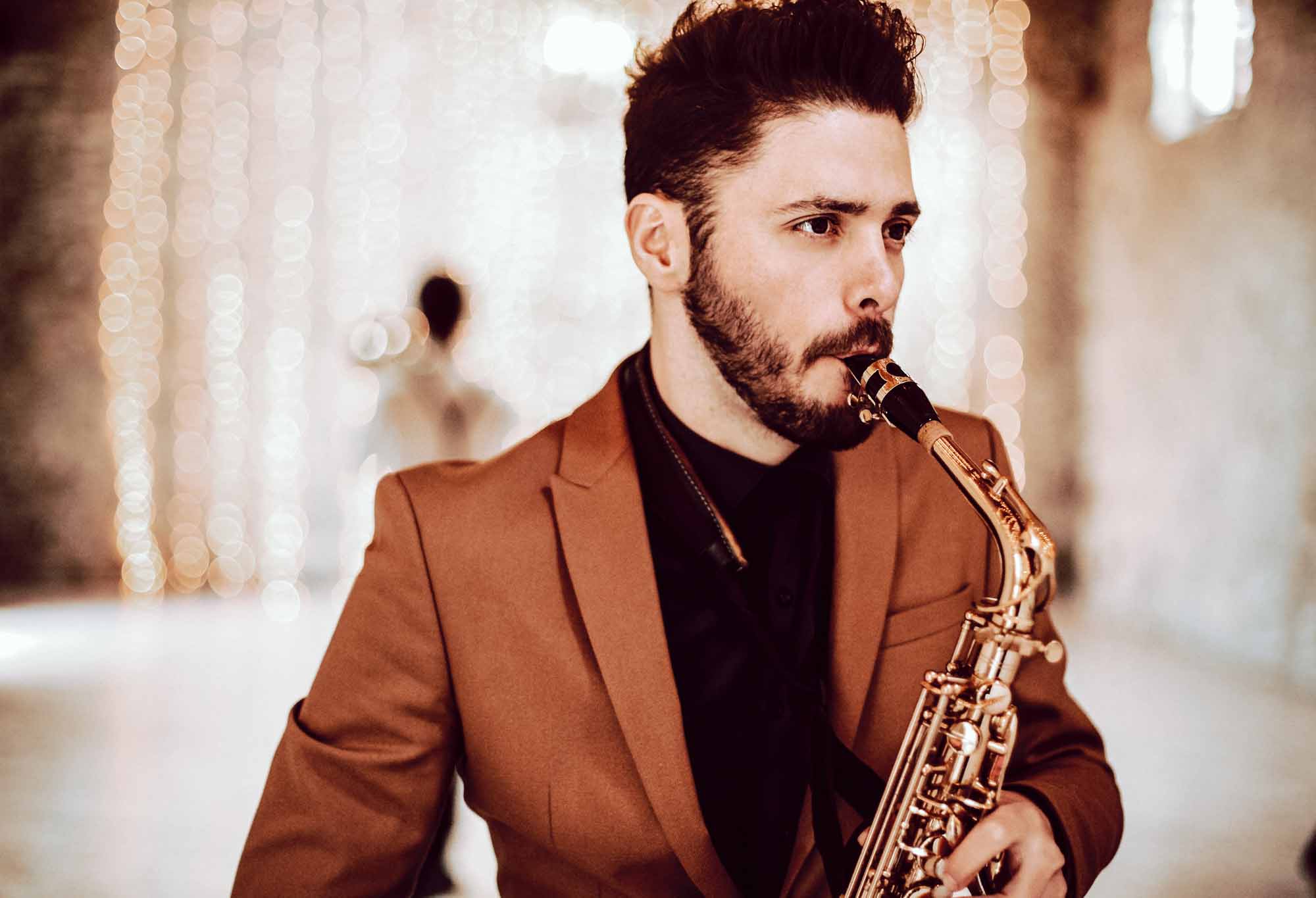
Ask the venue about curfew restrictions before booking a DJ or band. Not after. A couple who contracts a band for a five-hour set then discovers a 1am indoor curfew has wasted money and created a problem nobody can solve on the day. The curfew shapes everything: whether you need a band, a DJ, or a combination, and the entire evening timeline. French wedding music does not work the same way as at home. The ouverture de bal tradition, the guest performance segment, the three-hour dinner service before dancing even begins: all differ from UK or US norms. A DJ who has only worked British weddings may not understand the rhythm of a French evening. Look for someone with specific experience at destination weddings in France. Live bands require logistics that couples consistently underestimate. We cover this in our guide to venue types and their sound restrictions for wedding entertainment in France. Accommodation for 5 to 8 musicians, equipment transport, a venue sound check, adequate power supply, and a dedicated break space. For weddings at rural estates, confirm the venue can support the power requirements before signing the contract.
Give your DJ a "do not play" list alongside the request list. Every couple has songs that would feel wrong at their wedding. A clear blacklist prevents well-meaning guests from requesting songs that derail the mood. Our complete guide to how music vendor availability varies across French wedding regions walks through the details. Most experienced DJs ask for this. If yours does not, offer it proactively.
Related Articles
- Building your vendor team: the complete chapter guide
- Wedding videography in France: costs, styles, and drone rules
- Finding English-speaking vendors in France
- How to choose a wedding planner in France
- French vendor contracts, deposits, and TVA explained
Frequently Asked Questions
How much does a wedding DJ cost in France?
Wedding DJs in France charge €1,500 to €5,000 as of 2026. The fee typically covers 5 to 8 hours of music (background during dinner plus the dance party), a professional sound system, a lighting package, and a pre-wedding playlist consultation. DJs at the lower end of the range may offer fewer hours or a simpler lighting setup. Those at the higher end offer premium equipment, extensive experience with international weddings, and bilingual MC capability.
What is the ouverture de bal at a French wedding?
The ouverture de bal is the French first dance tradition. The couple opens the dance floor, but unlike the British or American tradition where they dance alone for the full song, French family members join quickly, usually within the first 30 to 60 seconds. Parents, siblings, and close friends step in, transforming the moment from a spotlight performance into a communal celebration. International couples can follow this tradition, request a private first dance, or blend the two by asking the DJ to invite family to join after the first minute.
What time does music have to stop at French wedding venues?
There is no single national curfew. Each venue operates under conditions set by its local mairie. Isolated, exclusive-use rural estates typically allow indoor music until 4 to 5am. Outdoor music at the same venues may need to move indoors by midnight or 1am. Venues near habitation enforce 2 to 3am curfews. Urban venues may have earlier restrictions. Always confirm the specific curfew with your venue before booking entertainment.
Do you need a music licence for a wedding in France?
SACEM manages music rights in France, and private events on private property are treated as less restrictive. Most venues hold an annual SACEM licence or include the fee in their hire charge. Professional DJs and bands in the French market are familiar with the framework and will confirm whether their fee covers the licence or whether the venue handles it. Couples rarely need to arrange a separate licence themselves.
Is a live band or a DJ better for a French wedding?
DJs offer flexibility, a wider music range, lower cost, and the ability to play continuously without breaks. Live bands deliver physical energy, audience interaction, and a sense of occasion that recorded music cannot replicate. The most popular approach for larger destination weddings is a combination: a small acoustic ensemble for the ceremony and apéritif (€3,000 to €6,000), then a DJ for the evening party (€1,500 to €5,000). Full live bands (€6,000 to €12,000+) work best at venues with strong indoor performance spaces and no early curfew.
What French songs work well at international weddings?
For romantic moments: Francis Cabrel ("Je l'aime à mourir"), Carla Bruni ("Quelqu'un m'a dit"), Françoise Hardy ("Le temps de l'amour"). For the dance floor: Stromae ("Alors on danse," "Papaoutai"), Daft Punk ("Get Lucky," "One More Time"), Bon Entendeur (modern remixes of French classics). These artists bridge the gap between French and international guests without requiring language fluency to enjoy.
Confirm the venue curfew before booking any musician. That single fact determines whether you need a band, a DJ, or a combination, and it shapes the entire evening timeline. Browse our guide to late-curfew and no-curfew venues in France if the party is a priority, or return to our vendor team chapter guide for the full hiring sequence.
Explore Every Guide in This Chapter
Deep-dive into each topic covered above.