
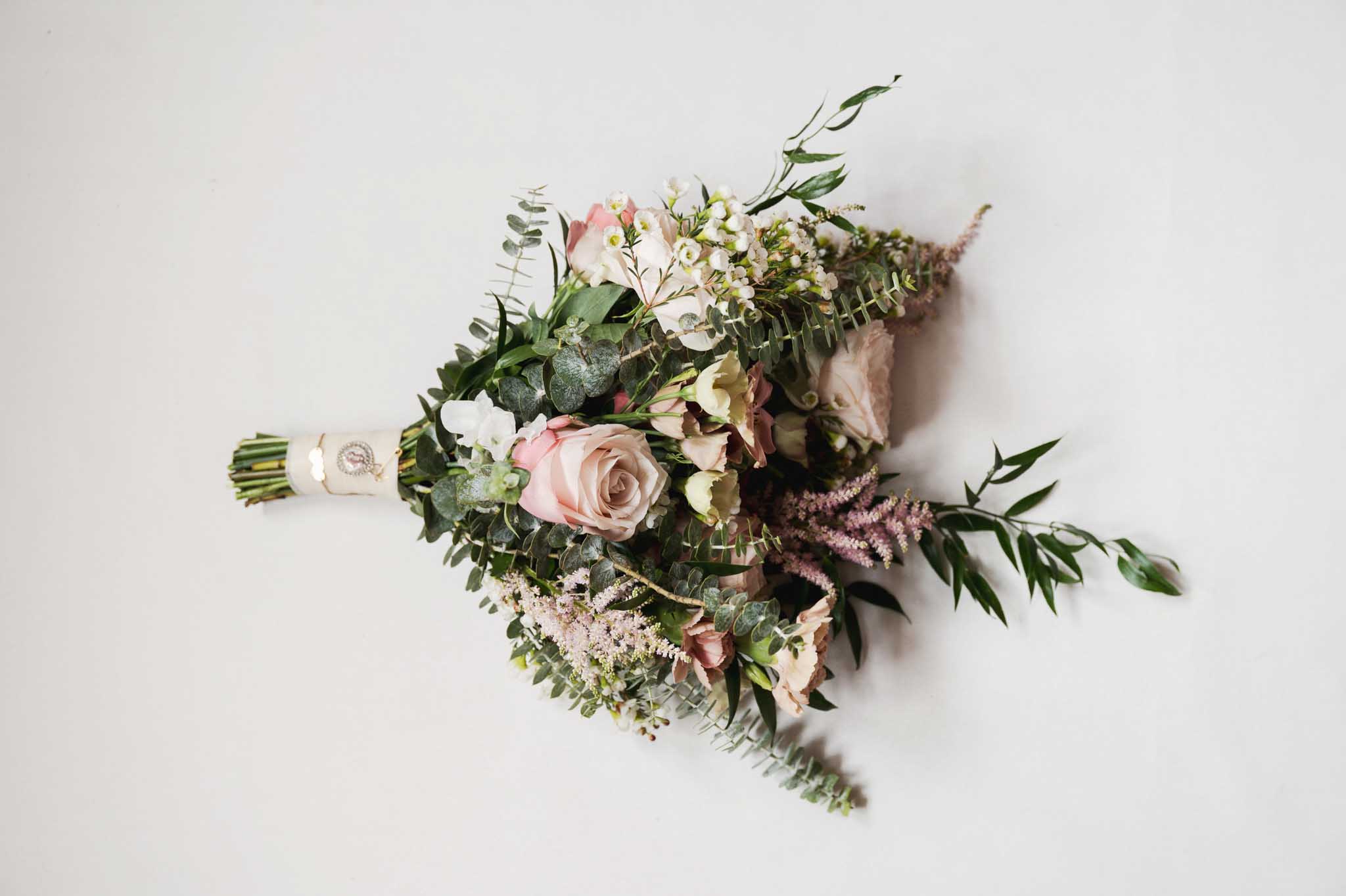
How to Source Local Flowers in France
There is no guide to this anywhere online. Zero competitor content covers how to actually source locally grown flowers for a wedding in France. This is a topic French Wedding Style has researched directly with growers, florists, and venue coordinators across five regions.
This is surprising, because France has one of the strongest horticultural traditions in Europe, a network of flower cooperatives that predates the Dutch import system, and a growing movement of florists who work exclusively with growers within driving distance of the venue. If you care about where your flowers come from, how far they travel, and whether they were grown in soil rather than a climate-controlled warehouse in Aalsmeer, this is how it works in France. For the full picture on every floral element, see our complete wedding flowers chapter. For a broader view of every step involved, see our complete guide to planning a destination wedding in France.
Key Takeaways
- France grows more cut flowers than most international couples realise. Var (Provence), Finistère (Brittany), and the Côte d'Azur produce roses, mimosa, jasmine, and carnations commercially. Smaller regional growers cultivate dahlias, sweet peas, garden roses, and wildflowers for the wedding market.
- French flower cooperatives (coopératives horticoles) connect growers with florists. The Marché de Rungis near Paris is the largest wholesale flower market in Europe and supplies the majority of Paris-region florists.
- Farm-to-vase floristry is a growing movement in France. A small but increasing number of florists grow their own cutting gardens or source exclusively from growers within 50 to 100 kilometres of their studio.
- Local sourcing limits variety but improves quality. You cannot order a specific stem list from a local grower the way you can from a Dutch wholesaler. You get what the season and the soil produce, and that is the point.
- Finding local growers requires asking the right people: your venue coordinator, your florist, and the local chambre d'agriculture.
Can You Source Locally Grown Flowers for a French Wedding?
France produced over 500 million cut flowers and plants in 2024 (the most recent FranceAgriMer data available as of 2026). The Var département in Provence is the largest production area, growing roses, mimosa, jasmine, and anemones for both domestic and export markets. The Côte d'Azur corridor from Grasse to Hyères has supplied perfumeries and florists for over a century. Brittany (Finistère) produces carnations, hydrangeas, and other cut flowers in its mild Atlantic climate. The Loire Valley grows commercially for the Paris market, and regional growers across Occitanie, Dordogne, and Burgundy produce on a smaller scale for local demand. The challenge is that most of this production feeds wholesale channels, not wedding florists directly. The standard supply chain for a French wedding florist runs: Dutch auction houses (primarily Royal FloraHolland in Aalsmeer, Netherlands), down to French wholesale markets (Rungis for Paris, regional grossistes elsewhere), then to the florist's studio. Flowers purchased through this chain may have been grown in Kenya, Colombia, Ethiopia, or the Netherlands before arriving in France.
Sourcing genuinely local flowers for your wedding means stepping outside this chain. It means working with florists who buy directly from regional growers, who maintain their own cutting gardens, or who forage from the land around the venue itself. This is entirely possible in France. It requires planning, flexibility, and the right florist.
How Do French Flower Cooperatives and Farm-to-Vase Work?
French flower cooperatives are grower-owned organisations that aggregate production, handle logistics, and sell collectively to wholesale markets, florists, and increasingly to event professionals. The coopérative horticole model has existed in France since the early 20th century. It works because small growers who might produce only dahlias, or only roses, or only foliage, combine their output to offer a florist the variety needed for wedding work. The Marché International de Rungis, located 7 kilometres south of Paris, is the primary wholesale flower market for northern France. It occupies 34 hectares and handles French-grown, Dutch-imported, and internationally sourced flowers. Florists working in Paris, Île-de-France, the Loire, and Normandy typically buy here two to three times per week. A Rungis-sourced arrangement is a mix: some stems grown in France, some imported. If local provenance matters to you, ask your florist specifically which stems come from French growers and which from the Netherlands.
Farm-to-vase floristry (fleuristerie de proximité) is the newer, smaller movement. These are florists who grow their own cutting gardens, work with specific local growers they know by name, and build wedding arrangements from what is available within a defined radius.
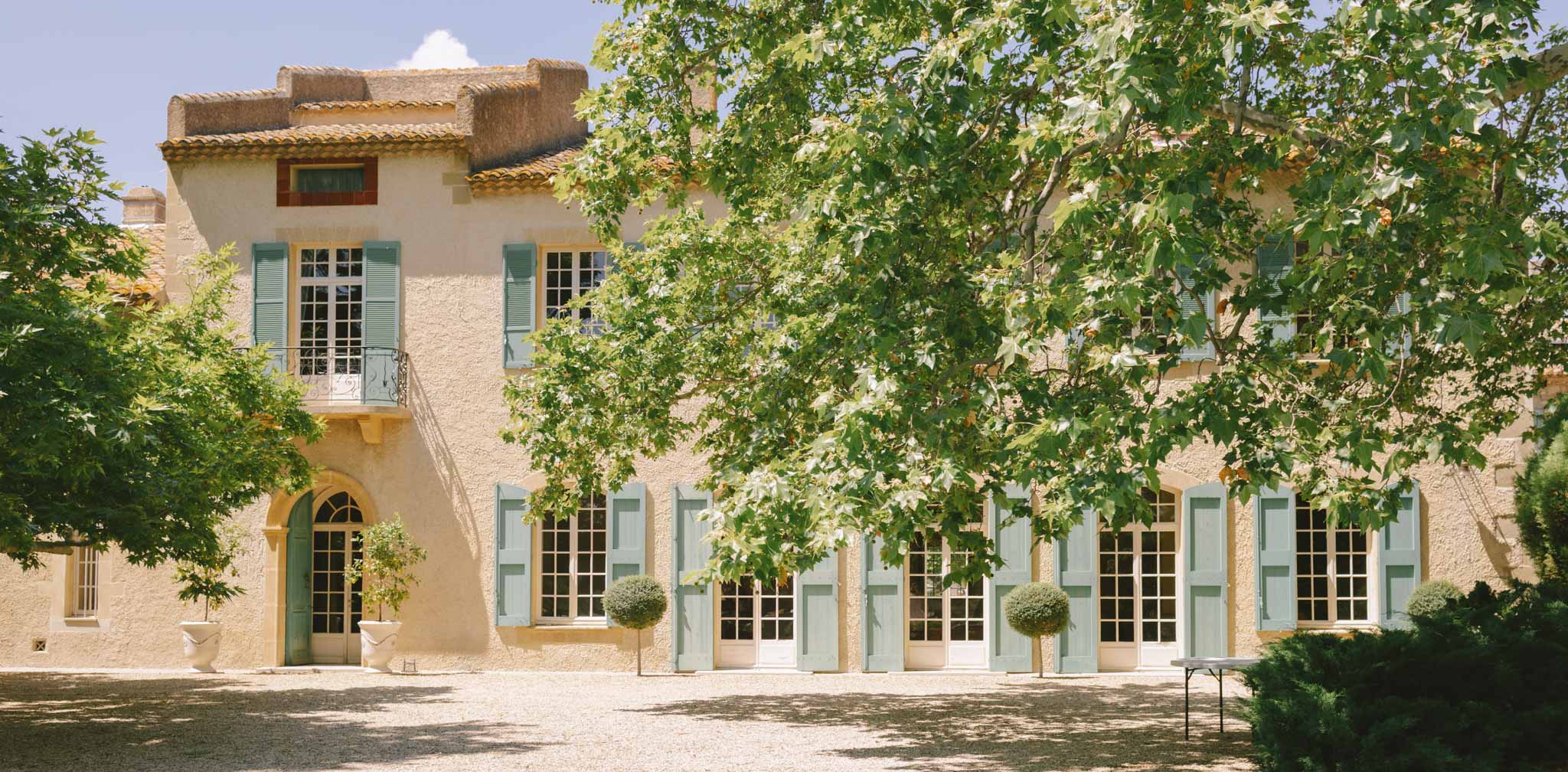
In Provence, a farm-to-vase florist might source garden roses from a grower in the Luberon, foliage from their own garden, herbs from a neighbouring farm, and wildflowers foraged from the garrigue. For couples exploring wedding venues in the south of France, local sourcing is particularly rewarding because the growing season is longer and the variety richer. In the Dordogne, it might be dahlias from a grower in Bergerac, sunflowers from a field outside Sarlat, and vine tendrils from a nearby vineyard wedding venue.
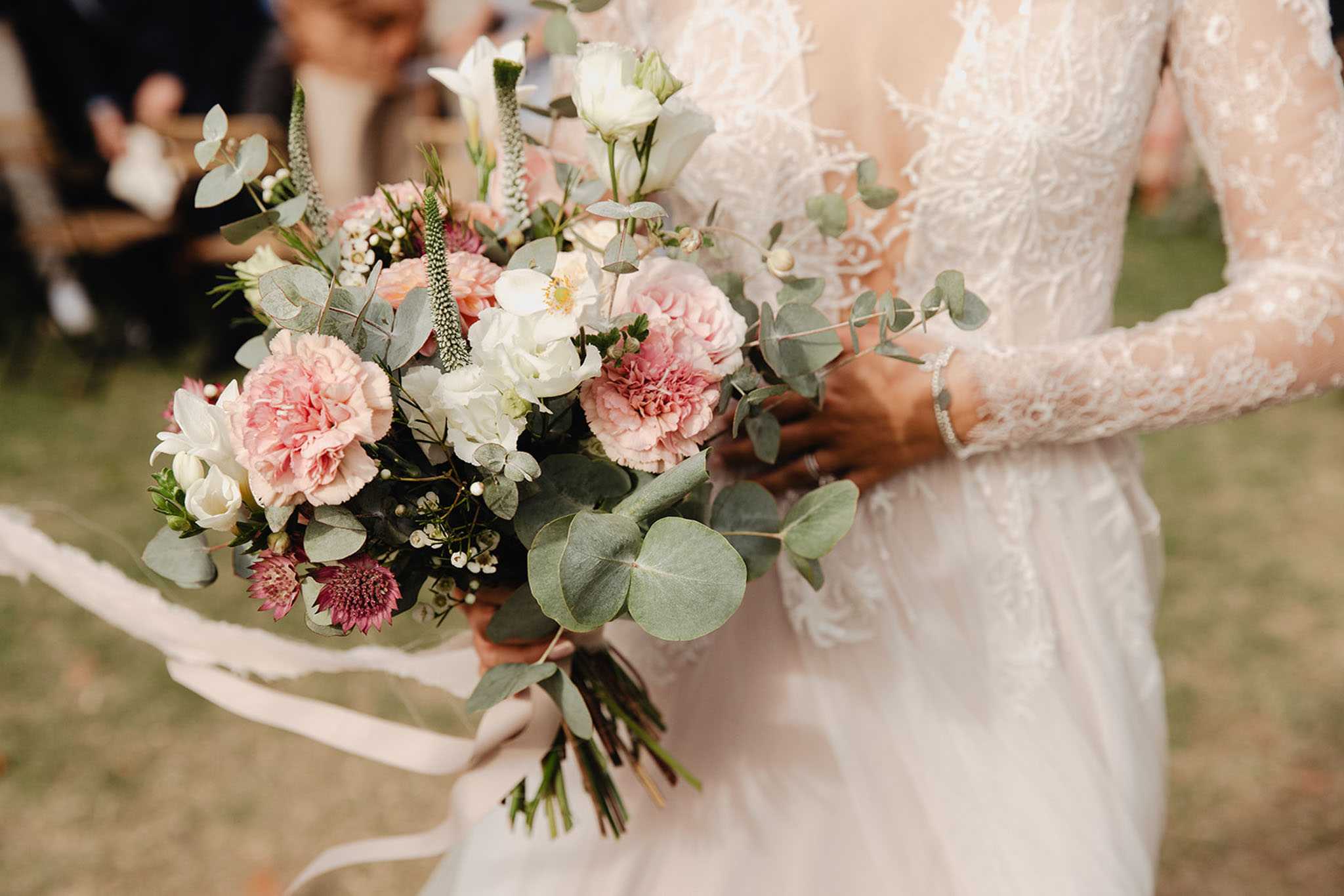
This approach produces arrangements with a quality that imported flowers cannot match. The stems are cut the day before or the morning of the wedding. They have not spent 72 hours in cold storage and transit. They carry the scent, the softness, and the imperfections of real garden flowers. A locally sourced David Austin rose from a Var grower has a fragrance and petal texture that the same variety, grown in Kenya and shipped through Aalsmeer, simply does not.
What Are the Benefits and Limitations of Local Sourcing?
The benefits are tangible. Freshness: locally sourced flowers last longer in the vase and in the heat because they have not been in transit for days. This is especially important for summer weddings where heat-hardy stems matter. Fragrance: garden roses, jasmine, sweet peas, and herbs grown locally carry scent that imported flowers lose during cold chain transport. Environmental footprint: flowers sourced within 100 kilometres of the venue generate a fraction of the carbon of stems flown from East Africa. Visual coherence: flowers grown in the same soil, light, and climate as the venue feel like they belong to the place, which is the entire point of a destination wedding in France. Cost: locally grown flowers often cost less than imported premium stems because there are no wholesaler markups, no international freight charges, and no cold chain logistics costs.
The limitations are real and should be stated clearly. Variety is restricted to what grows in the region during your wedding month. You cannot request a specific stem list. If the dahlia harvest is poor because of a late frost, or the roses peak a week before your date, the florist adapts.
This requires trust and flexibility. Colours will be approximate, not exact. A "blush" garden rose from a Provençal grower may lean more coral than the blush you pinned online. Scale can be limited: a local grower may not be able to supply 200 stems of one variety for a large wedding, requiring the florist to mix more varieties or source some stems conventionally.
There is also the question of reliability. A Dutch wholesaler guarantees delivery of specified stems at specified quantities on a specified date. A local grower cannot make the same guarantee because they are working with weather, soil, and biology rather than a climate-controlled greenhouse. The florists who navigate this best maintain relationships with three to four local growers and have contingency sources for stems that might not be available. Ask any farm-to-vase florist what their backup plan is when a crop fails. The good ones have an answer ready.
How Do You Find Local Flower Growers Near Your Venue?
Start with your florist. The most direct route to locally grown wedding flowers is choosing a florist who already sources this way. Ask during the initial enquiry: "Do you work with local growers, and what percentage of your wedding flowers are grown in France?" A florist who sources locally will tell you about their growers by name, show you photographs of the cutting gardens, and explain the seasonal climate guide availability with genuine enthusiasm. A florist who primarily uses Dutch-imported stems will be less specific. Your venue coordinator is the second resource. Many French château and domaine properties maintain their own gardens. Some allow florists to cut directly from the grounds. Others have long-standing relationships with local growers who supply the venue's events. The venue coordinator knows who grows flowers nearby, who supplies the local markets, and which florists in the area work with local stems.
The chambre d'agriculture in each département maintains a directory of registered agricultural producers, including flower growers. Search "chambre d'agriculture [département]" plus "horticulteurs" or "producteurs de fleurs" to find registered growers. The Collectif de la Fleur Française is a national organisation promoting French-grown flowers and maintains a directory of member florists and growers who are committed to local sourcing. Their website lists producers by region and florists who prioritise French-grown stems.
Local markets (marchés) are an underused resource. Flower sellers at weekly markets in Provence, the Dordogne, and the Loire often grow their own stock or buy from nearby growers. A morning visit to the marché in the town nearest your venue, three to six months before the wedding, gives you a clear picture of what grows locally and introduces you to potential suppliers. Some couples have found their wedding florist at the Saturday morning market, working from a van of flowers they grew themselves.
Social media, specifically Instagram, is useful for identifying farm-to-vase florists. Search hashtags including #fleurfrancaise, #fleuristelocal, #fleurdeproximité, and #slowflowers combined with the region name. Florists who grow or source locally tend to document their cutting gardens, grower visits, and seasonal harvests. The visual evidence of someone standing in a field of dahlias they planted themselves is difficult to fabricate.
Related Articles
- Seasonal wedding flowers by region across France
- Bouquet ideas for a French countryside wedding
- How to choose a wedding florist in France
- Ceremony backdrop ideas for outdoor French weddings
- Provençal rustic styling for a French wedding
- Colour palettes that work with French venue stone
- Hidden costs that catch international couples in France
Frequently Asked Questions
Is it possible to have only French-grown flowers at my wedding?
It is possible between May and September if you are flexible on specific stems and colours. A farm-to-vase florist working with local growers and their own cutting garden can produce a fully French-sourced wedding in summer months. Outside this window, and particularly from November through March, French flower production drops significantly and some imported stems are necessary. The realistic goal for most couples is "predominantly local" rather than "exclusively local." A florist who sources 70 to 80% from French growers and fills gaps with Dutch-imported stems is delivering a genuinely local approach.
Are locally sourced flowers cheaper than imported flowers?
Locally grown seasonal flowers are typically 20 to 40% less expensive per stem than premium imported varieties because they avoid international freight, wholesale markups, and cold chain costs. However, farm-to-vase florists often charge higher labour rates because the sourcing process is more time-intensive than placing a wholesale order. The net effect is usually comparable total cost, with money shifting from flower cost to florist skill. Where local sourcing saves significantly is in foliage: olive branches, eucalyptus, herbs, and grasses sourced from the venue or nearby farms cost very little compared to purchased greenery from a wholesaler.
What is the Collectif de la Fleur Française?
The Collectif de la Fleur Française is a French organisation founded in 2017 to promote domestically grown flowers and support French flower producers. It maintains a directory of member florists and growers committed to sourcing French-grown stems. Their label "Fleurs de France" identifies arrangements made predominantly with flowers grown on French soil. The organisation provides a useful starting point for couples searching for florists who prioritise local sourcing, though not all farm-to-vase florists are members.
Can my florist cut flowers from the venue gardens?
Some French venues permit florists to cut from their grounds, particularly châteaux and domaines with established gardens, rose beds, or herb gardens. This arrangement must be agreed with the venue in advance and usually involves the florist visiting the grounds two to four weeks before the wedding to assess what is available. It is not standard practice and should never be assumed. Ask your venue coordinator specifically: "Can our florist incorporate flowers or foliage from the property's gardens?" The answer varies widely by venue and depends on the estate's gardening staff, the season, and what is in bloom.
How do I verify that my florist actually sources locally?
Ask directly: "Which growers do you work with, and where are they located?" A florist who genuinely sources locally will name specific farms, describe their growing practices, and show photographs of the growers' fields. They will also explain what percentage of a typical wedding arrangement is locally sourced versus imported. Vague answers ("we try to source locally when we can") indicate a standard wholesale approach with occasional local purchases. The proof is in the specificity. A florist who can tell you that your garden roses come from Marie-Claire's farm in Apt, 40 kilometres from the venue, is genuinely working with local production. The florists recommended through French Wedding Style's vendor directory are vetted for exactly this kind of transparency.
What is the Marché de Rungis and does it sell French flowers?
The Marché International de Rungis is the largest wholesale food and flower market in Europe, located south of Paris. Its flower pavilion sells both French-grown and internationally imported flowers. Approximately 15 to 20% of the cut flowers sold at Rungis are grown in France, primarily from the Var, Brittany, and the Loire. The remainder comes from the Netherlands, Kenya, Colombia, and Ecuador. Rungis is the primary supply source for Paris-area florists. It is a professional wholesale market, not open to the public, and florists typically visit two to three times per week during wedding season to select stock.
Build your complete floral plan with our wedding flowers guide. Check what will be in bloom at your venue with our seasonal flower calendar by French region, or browse garden wedding venues in France where the grounds themselves become part of the floral story.
Explore Every Guide in This Chapter
Deep-dive into each topic covered above.