
After Midnight at a French Wedding: Late Night Guide
Midnight at a French wedding is not the end. It is a turning point. The formalities are finished. The dinner is done. The speeches have been given. The pièce montée has been wheeled out to sparklers and applause.
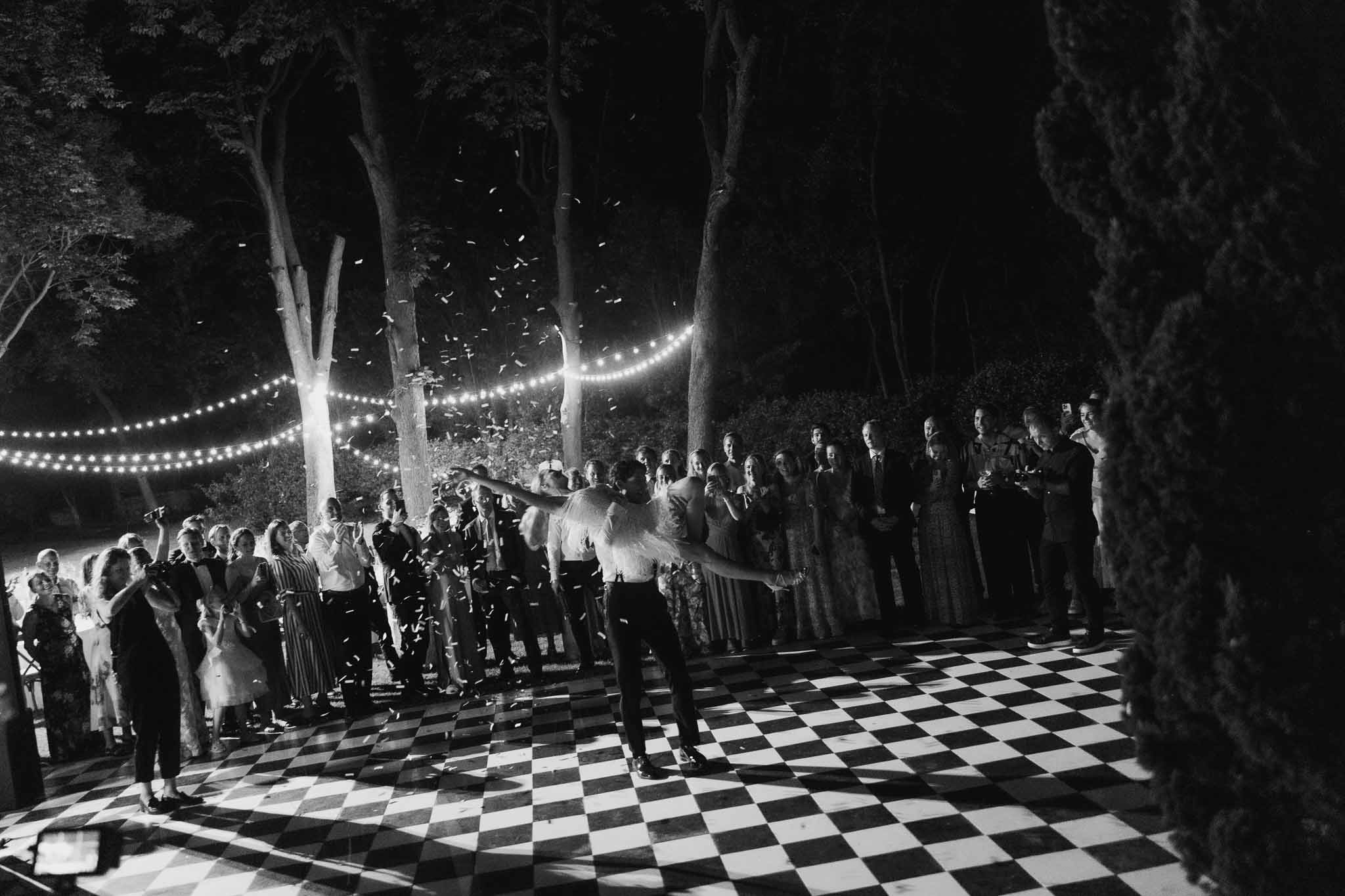
And now the room loosens. Shoes come off. Ties are pulled loose. The music shifts from crowd-pleasing anthems to deeper grooves, and the people still on the dance floor are the ones who will be there until the sky starts to lighten. The hours between midnight and 4am are when a French wedding becomes its most honest: no more structure, no more schedule, just people who love each other dancing, talking, and eating late-night food in a room that smells of candle wax and warm stone. What follows is the practical reality of those hours. This forms part of the full planning guide for destination weddings in France. For the full chapter, see our complete wedding day timeline guide.
Key Takeaways
- French weddings regularly continue until 3am to 5am. The dance floor peaks between 1am and 2am. Guests who leave before 1am are considered early departures.
- Late-night food served between 1am and 2am is a French wedding tradition. Soupe à l'oignon (onion soup) is the classic choice. Croque-monsieurs, pizza, burgers, and crêpes are popular modern alternatives.
- Sound curfews vary by venue. Rural châteaux often have no curfew. Venues near residential areas may enforce a midnight or 1am outdoor sound limit, requiring the party to move indoors.
- The transition from the formal party to the after-hours wind-down is gradual. The DJ stops. A playlist takes over. The bar simplifies to beer, spirits, and water. The remaining guests cluster in smaller groups.
What Happens After Midnight at a French Wedding?
The dessert is done. The first dance has happened. The floor is packed. And the DJ is reading the room, building sets that respond to the energy of the guests still dancing. This is the midnight-to-2am window, and it is the highest energy point of the evening. The formal entertainment (the DJ set or the live band) typically runs until 2am to 3am, depending on the contract and the venue curfew. During this window, the music is louder, the lighting is more dramatic (moving heads, colour washes, strobes for key moments), and the dance floor is at capacity. This is when the group dances happen, when the groom is lifted on a chair, when the French tradition of la jarretière (the garter) may make an appearance (though many modern couples skip it). Between 1am and 2am, the caterer or a designated team sets up late-night food. This is a French wedding tradition with deep roots.
The classic choice is soupe à l'oignon, served in small cups or bowls from a station near the dance floor. It is hot, salty, comforting, and exactly what a 2am body needs. Modern alternatives include a croque-monsieur station, a pizza oven (increasingly popular at Provence weddings), a crêpe stand, mini burgers, or a fondue station in winter. Budget approximately €8 to €15 per guest for late-night food in 2026.
By 2am to 2.30am, the guest count has typically reduced to 50 to 70 percent of the dinner attendance. The guests who have left are usually elderly relatives, families with children, and guests with early travel the next morning. The guests who remain are the close friends, the cousins, the university crowd, and the people who came to France to dance until dawn.
How Do You Keep the Energy Going?
Energy management after midnight is a DJ skill, a catering decision, and a venue layout question. The DJ manages the musical energy. After the 1am to 2am peak, the set list shifts: slightly slower tracks, deeper grooves, French classics (Daft Punk, Stromae, Edith Piaf for the sing-along), and requests. The volume may come down slightly as the crowd thins. A skilled DJ does not try to maintain peak energy at 3am with the same intensity as 1am. The mood shifts from celebration to connection. People dance closer. The songs become more personal. Late-night food is the most effective tool for extending the party. Guests who eat at 2am have the energy to stay until 4am. Guests who do not eat drift toward their beds. Announce the food from the DJ booth: "Soupe à l'oignon is ready near the bar." Watch the dance floor refill 20 minutes later.
The bar at this hour simplifies. The wine service from dinner is finished. The champagne is done. What remains: spirits (whisky, vodka, rum, gin with tonic), beer, and non-alcoholic options. Water should be freely available and visibly positioned. A self-serve bar or a simplified late-night service (fewer staff, fewer options, faster pours) keeps the drinks flowing without the staffing cost of a full bar team.
Layout matters too. By 2am, the dining tables are mostly empty. If the dance floor is in the same room as the dinner, the empty tables and half-cleared plates create a depressing visual.
The catering team should clear the tables by 1am or cover them. Some venues reposition the remaining chairs around the edges of the dance floor or move them outside, creating a lounge-like atmosphere where guests can sit, talk, and drink without looking at the remains of dinner. At venues with separate dining and dancing spaces, this is not an issue: the dining room is closed, and the party room operates independently.
What About Sound Curfews?
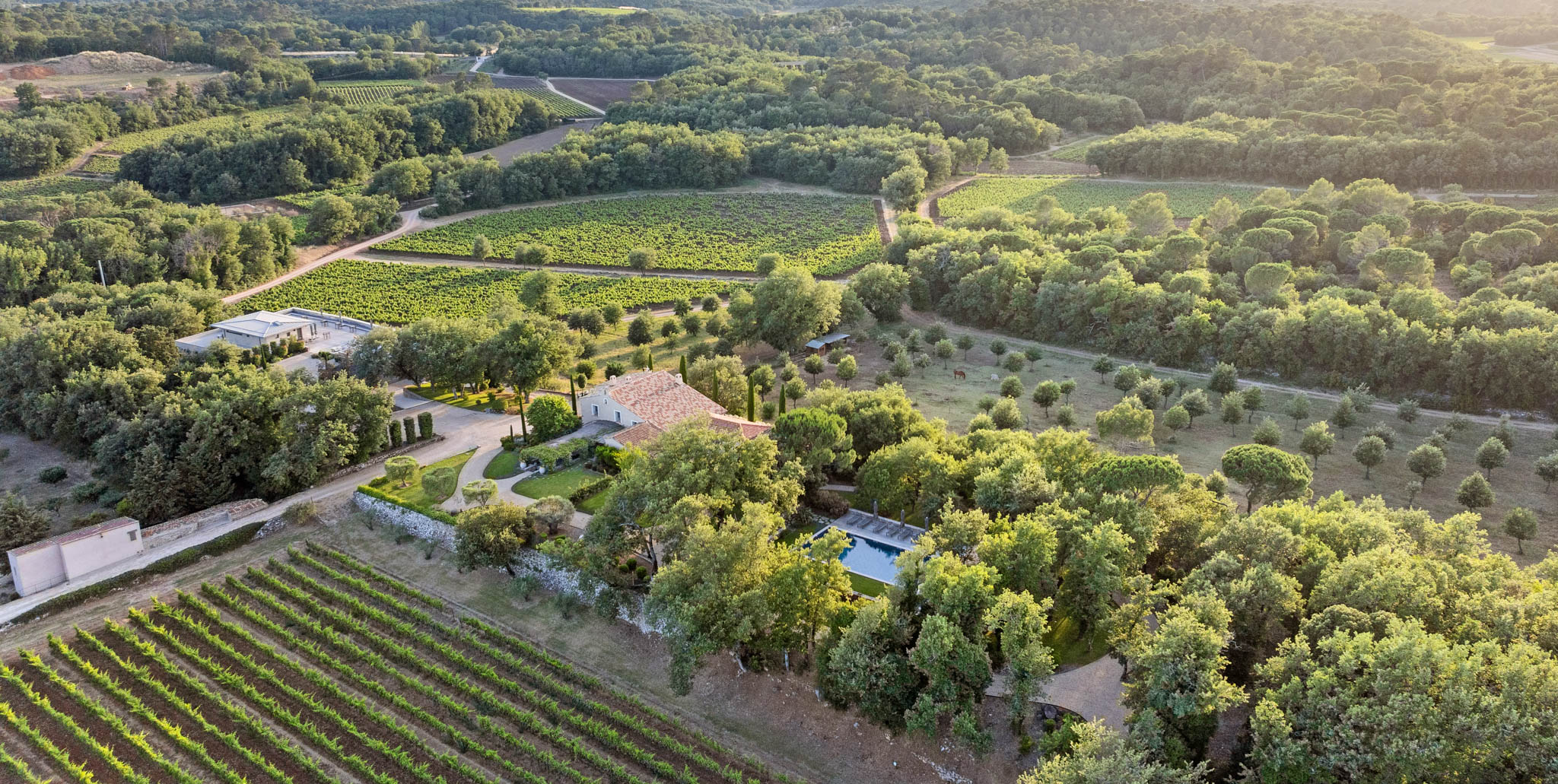
Sound curfews are the most important practical consideration for the late-night portion of a French wedding, and they vary significantly by venue. Rural châteaux and domaines with no neighbours: Many have no sound curfew at all, or a very late one (3am to 4am). These venues are the gold standard for couples who want an unrestricted party. The music plays at full volume until the couple decides to stop. Venues near villages or residential areas: A midnight or 1am outdoor sound curfew is common. After the curfew, the party must move indoors, windows must be closed, and the volume must drop to a level that does not carry beyond the property boundary. This does not end the party. It changes the setting. An indoor dance floor in a vaulted stone hall or a barn with the doors closed can be just as atmospheric as an outdoor one.
Urban and peri-urban venues: Stricter curfews (10pm to 11pm outdoor, midnight indoor) apply. At these venues, the late-night party is inherently indoor and the music volume is managed carefully throughout the evening.
Confirm your venue's curfew policy at the booking stage, not three weeks before the wedding. Ask specifically: outdoor sound curfew time, indoor sound curfew time, maximum decibel level (if measured), and whether there is a hard stop time after which no music is allowed at all. Some venues permit acoustic music or a quiet playlist after the amplified music curfew, which allows the party to continue in a gentler register. For venues with generous sound policies, see our guide to no-curfew wedding venues in France.
The transition from outdoor to indoor at curfew time should be planned in advance with the DJ and the venue coordinator. At the curfew, the DJ makes an announcement: "We are moving the party inside." The indoor space should already be set up: speakers positioned, lighting active, and the bar relocated or a second bar opened. If the transition is smooth, guests barely register it. If it is fumbled (10 minutes of silence while cables are moved), the momentum breaks and some guests use the pause to go to bed.
Related Articles
- Wedding day timeline: the complete guide
- The evening: dinner and dancing
- Sample wedding day timelines
- The post-wedding brunch
- Music at a French wedding
- Late-night food at a French wedding
- vin d’honneur and soirée traditions
- Choosing a French wedding caterer
- Wedding transport logistics
- No-curfew wedding venues in France
- Château wedding venues in France
- Exclusive-use wedding venues in France
- Wedding venues with accommodation in France
- Browse all wedding venues in France
Frequently Asked Questions
Is soupe à l'oignon really served at French weddings?
Yes, and it has been for generations. The tradition comes from the Les Halles market in Paris, where workers ate onion soup in the early morning hours to warm up and refuel. At a French wedding, it serves the same purpose: hot, salty, and restorative food delivered to guests who have been dancing for hours. Modern caterers present it in small ceramic cups with a gruyère crouton on top. It is one of the most characteristically French moments of the entire wedding, and guests who have never experienced it before tend to remember it fondly.
What time should the couple leave the party?
There is no rule. Some couples stay until the last guest leaves at 5am. Others slip away at 2am or 3am, leaving the party in the hands of friends. If you leave before the party ends, do it quietly and without a formal send-off. A sparkler exit or confetti tunnel at 2am pulls people out of the dancing and often signals to guests that the party is over, even if it is not. Just go. Your friends will keep dancing.
Do we need to arrange transport for late-night departures?
If guests are staying at hotels rather than on-site, arrange a shuttle or taxi service for departures between midnight and 3am. Post the shuttle times on the wedding website and at the bar. Pre-book taxis with a local company (your planner can arrange this) because rural France does not have ride-sharing services, and finding a taxi at 2am in the countryside without advance booking is nearly impossible.
Explore Every Guide in This Chapter
Deep-dive into each topic covered above.