
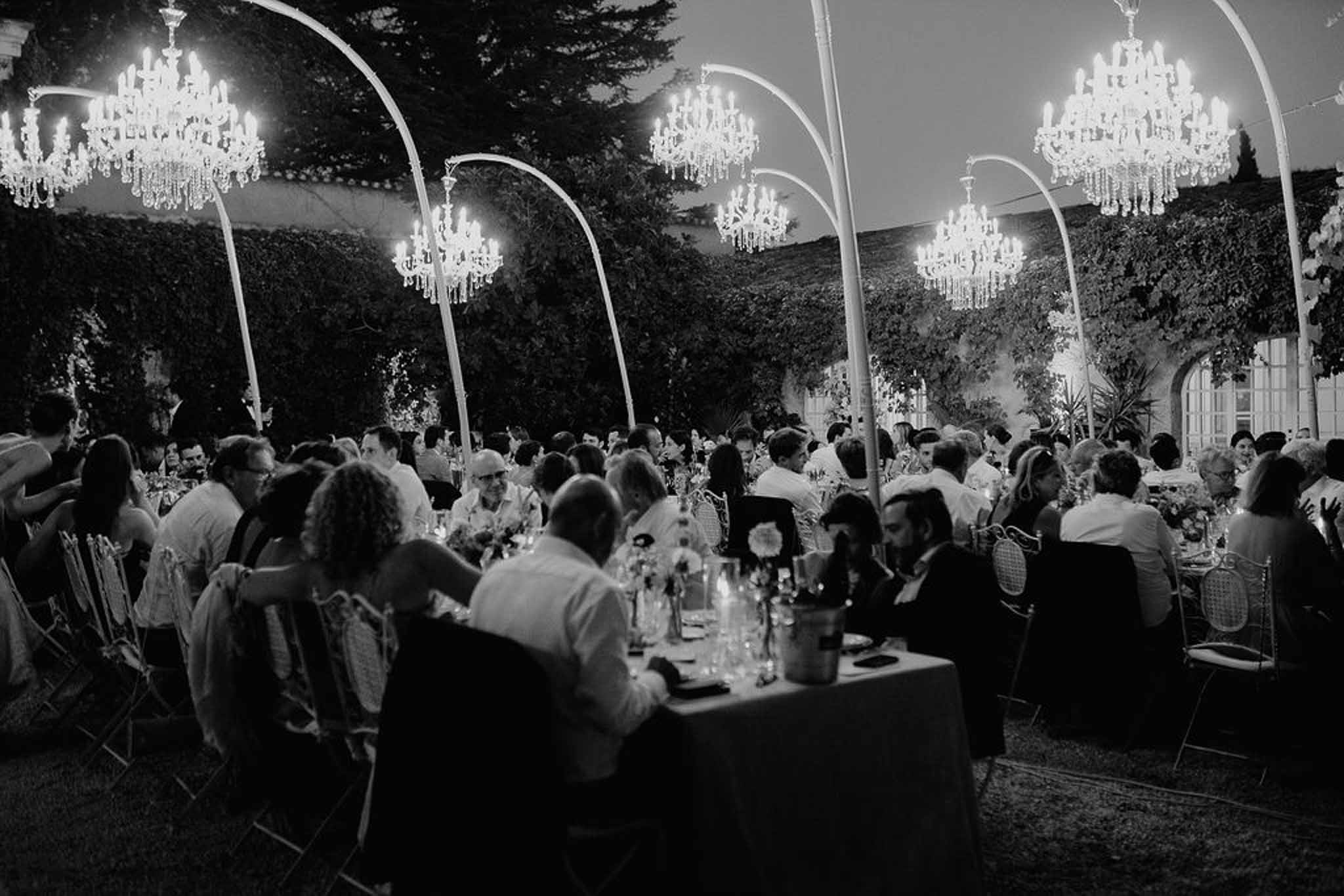
A destination wedding in France is not a single event. It is a 48 to 72-hour experience that begins the moment your guests book their flights and ends when the last shuttle leaves on Sunday morning. For international couples, the guest logistics questions are consistent: how do I get there, where do I sleep, what do I wear, and what happens between the events? The hosting decisions you make around shuttles, welcome dinners, childcare, and free time determine whether the weekend feels seamless or stressful. This chapter covers all of it. This is part of our complete guide to planning a wedding in France.
Why the Guest Experience Matters More at a Destination Wedding
A local wedding asks guests to drive 45 minutes, attend a celebration, and drive home. A destination wedding in France asks them to book flights, arrange accommodation in a country they may never have visited, navigate rural transport, pack for a multi-day event, and commit 3 to 5 days of annual leave. The ask is bigger, and the hosting standard must match it.
Couples who invest in guest logistics see the return immediately. Attendance rates improve when travel information arrives early and clearly. The social atmosphere deepens when guests arrive relaxed rather than frazzled from a last-minute scramble at Marseille airport with no transfer plan. The financial structure is well-established: the couple covers the three anchor events (welcome dinner, wedding day, farewell brunch), the venue hire, and group transport. Guests cover their own flights and off-site accommodation. Communicating this clearly on the wedding website prevents awkwardness.
The Three-Anchor Weekend
The standard French destination wedding weekend follows a three-anchor pattern. Friday evening: welcome dinner. Saturday: ceremony and reception. Sunday morning: farewell brunch. Between these fixed points, the schedule is intentionally loose. Free time is where the best memories form, and over-programming is the most common mistake.
The welcome dinner is not optional. International guests who have arrived after a full day of travel need a shared meal, and the absence of one leaves a gap that defines the weekend negatively. Three formats work well: a village restaurant buyout (€50 to €90 per head), a venue-catered dinner (€80 to €130 per head), or a casual pizza-and-wine evening (€30 to €50 per head). The principle is contrast: Friday should feel distinctly different from Saturday in tone, setting, and formality.

“The biggest logistics mistake I see is couples waiting until 6 weeks before the wedding to send guest travel details. By then, flight prices have doubled and the best accommodation near the venue is gone. International guests need a dedicated information page on the wedding website at the same time as the save-the-date, ideally 9 to 12 months ahead. That single step reduces last-minute questions by 80 percent.”
The Eight Guides in This Chapter
Travel logistics: Airports by region, TGV routes, rural transfer options, and the booking timelines that save hundreds of euros. Paris CDG is the default transatlantic gateway, but regional airports (Nice, Marseille, Toulouse, Bordeaux, Lyon) serve every major wedding region with direct flights. The real challenge is the last stretch: getting from an airport or station to a rural venue where there is no Uber and limited taxi availability.
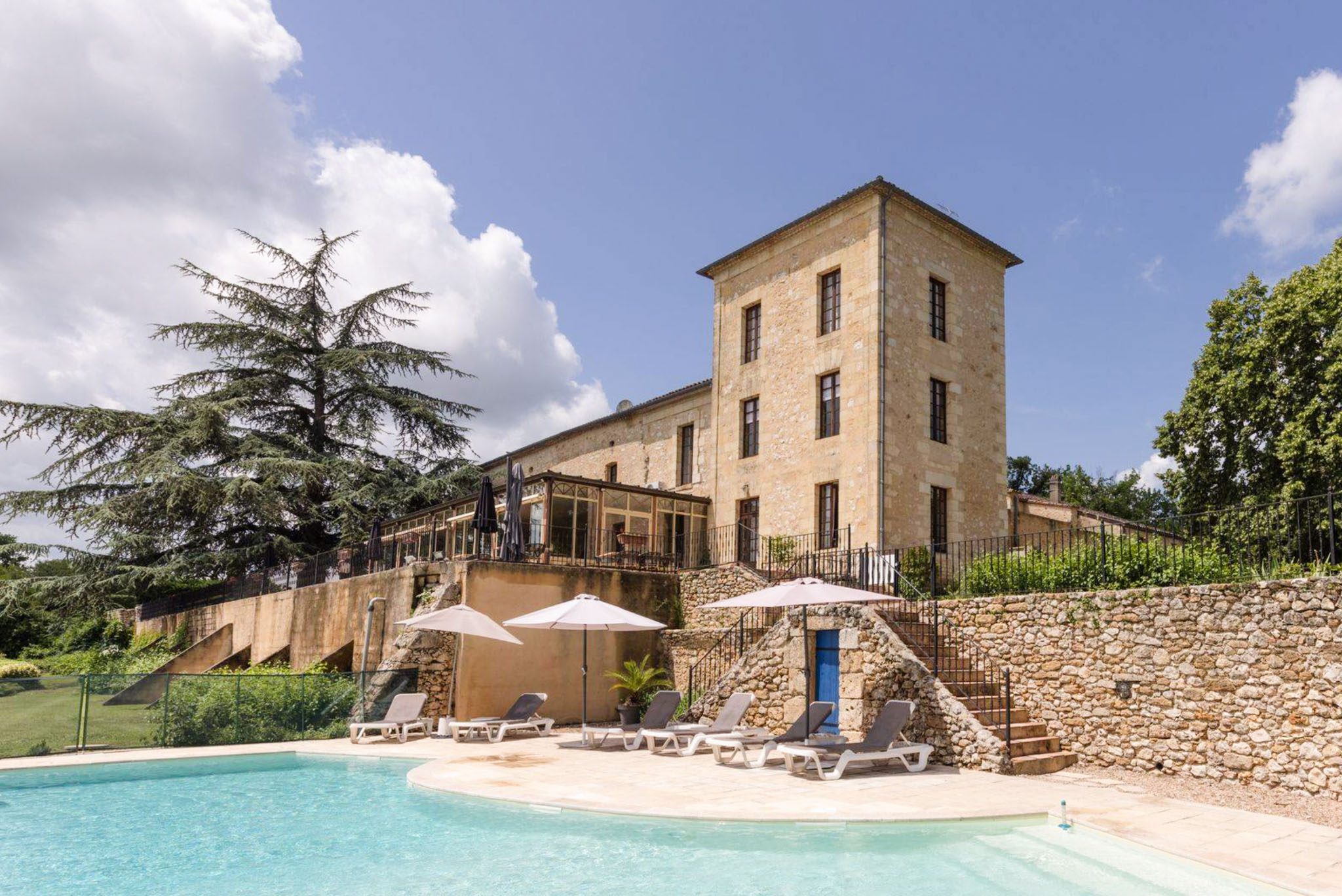
Accommodation options: On-site rooms, gîtes, chambres d'hôtes, and hotels near French venues. The median wedding venue sleeps approximately 33 guests on site. At a 100-person wedding, two-thirds of your guest list needs somewhere else. Couples browsing château wedding venues will find that on-site room count often determines the shortlist.
Welcome dinner: Format options, realistic costs per head, venue choices, and the common mistakes that make Friday compete with Saturday.
Multi-day weekend: How to structure a 2 or 3-night weekend, who pays for each element, and the pacing that separates a well-run celebration from an exhausting one.
Guest activities: Regional activity ideas for the free windows. A private wine tasting at a neighbouring château costs €25 to €50 per person. A market visit costs nothing to organise. Browse vineyard wedding venues for properties in regions with strong activity options.
Children at French weddings: French wedding culture is broadly child-inclusive. Excluding children at a destination wedding effectively excludes their parents. Professional wedding nanny agencies charge €10 to €15 per hour per carer across Provence and the Riviera.
Guest dress code: French wedding attire runs one notch more formal than equivalent British or American events. Outdoor venues add terrain challenges: gravel, heat, and evening temperature drops of 10 to 15 degrees. See practical footwear guidance for outdoor French wedding venues.
Guest packing list: A shareable checklist covering outfits for three days, terrain-appropriate shoes, European power adapters (Type C and E), and the five items everyone forgets.
What the Guest Experience Costs
The guest experience budget sits on top of venue and catering spend. For a 100-person French destination wedding, the total for these elements runs €7,000 to €23,000 depending on format and scale.
| Item | Cost Range (2026) | Notes |
|---|---|---|
| Welcome dinner | €3,000 to €13,000 | Depends on format and guest count |
| Sunday brunch | €1,000 to €3,000 | Simpler format than Friday or Saturday |
| Guest shuttles (full weekend) | €1,500 to €3,000 | Arrival, early return, late-night return |
| Professional childcare | €500 to €900 | 3 carers, 6 to 8 hours, up to 8 children |
| Optional group activity | €500 to €2,500 | Wine tasting, group lunch (couple-hosted) |
| Guest welcome bags | €300 to €800 | Local products, water, schedule card |
Most couples hosting 80 to 100 guests spend €10,000 to €15,000 on the guest experience package. The welcome dinner and shuttles are non-negotiable. Childcare is essential if families are attending. The rest scales to your budget. For how these costs fit within the overall framework, see the wedding cost guide.
Build a dedicated guest information section on your wedding website at the same time you send save-the-dates. Include the travel guide, accommodation options, dress code, and packing list. Guests who receive this information 9 to 12 months before the wedding book earlier, pay less for flights, and arrive with fewer logistics questions.

Related Chapters
- Planning a Destination Wedding in France: The Complete Guide (pillar page)
- Final Details and Logistics: Seating plans, transport, hair and makeup, packing, and emergency preparation
- Wedding Cost Guide: How guest experience costs sit within the full budget framework
- Building Your Vendor Team: Hiring the planner who coordinates guest logistics
- Food, Drink and Catering: The menu, wine, and dining traditions that define Saturday evening
Frequently Asked Questions
Who pays for guest travel and accommodation at a French destination wedding?
Guests pay for their own flights and off-site accommodation. The couple covers the venue hire (which includes on-site rooms allocated to family and the bridal party), the three anchor events, and group shuttle transfers. This convention is well-established at destination weddings. Communicate it clearly on the wedding website alongside the recommended accommodation options.
How far in advance should guests book flights to France for a wedding?
For peak season (June to September), US and Australian guests should book 6 to 9 months ahead. UK and European guests should book 4 to 6 months ahead. TGV train tickets open 4 months before travel, with early-bird fares 60 to 70 percent cheaper than walk-up prices. Include a specific booking recommendation on the wedding website travel page alongside the save-the-date.
Are children expected at French weddings?
French wedding culture is broadly child-inclusive, and excluding children at a destination wedding often means excluding their parents. Professional nanny services are available across all major wedding regions. The children at French weddings guide covers both approaches with practical logistics for each.
What should guests wear to a French château wedding?
A full suit for men and a knee-length or midi dress for women. Block heels or flat dress shoes are essential for outdoor venue terrain. Natural fabrics (linen, cotton, silk) perform better than synthetics in summer heat. The dress code guide covers cultural expectations and practical footwear for every venue type.
Is a welcome dinner expected at a destination wedding in France?
Yes. It is the social anchor of Friday evening and the event that transforms arriving guests into a wedding party. The welcome dinner guide covers three formats at different price points and the common mistakes that make Friday compete with Saturday.
The eight guides in this chapter cover the full scope of hosting international guests: how they arrive, where they sleep, what they eat on Friday, what they do between events, what they wear, and what they pack. For properties that support the full multi-day wedding experience, browse exclusive-use venues in France or explore destination wedding venues across every region. Continue to the next chapter: final details and logistics.
Explore Every Guide in This Chapter
Deep-dive into each topic covered above.