
Traditional French Wedding Menus
A French wedding dinner is not three courses. It is five to seven, served over four to five hours, with speeches between courses and wine matched to every dish. The apéritif alone lasts 1.5 to 2 hours. Cheese comes before dessert, not after.
And the pièce montée arrives at midnight with sparklers. For international couples, this is the single biggest cultural surprise of a wedding in France, and the element that defines the entire evening. This guide walks through every course, the regional variations from Provence to Normandy, realistic catering costs as of 2026, and the mistakes that trip up couples who expect an Anglo dinner timeline. For the full food and drink chapter, see our complete food and drink guide for French weddings. For a broader view of every step involved, see our complete guide to planning a destination wedding in France.
Key Takeaways
A traditional French wedding dinner follows the sequence of apéritif dinatoire (1.5 to 2 hours of canapes and champagne), entree, plat principal, fromage (cheese course served before dessert, not after), dessert, and piece montee, with some menus adding an amuse-bouche and a trou normand sorbet between courses. The meal lasts 4 to 5 hours from the first seated course through the piece montee, with speeches and entertainment woven between dishes rather than clustered at the start. Regional menus reflect local terroir: Provence features Sisteron lamb and goat cheese, Bordeaux centres on entrecote and caneles, the Dordogne showcases duck and foie gras, and Normandy leans into seafood and a calvados trou normand. Wedding catering costs €150 to €280 per head for food depending on region and menu complexity. The biggest mistake international couples make is trying to compress the dinner to three courses and two hours.
- A traditional French wedding dinner follows the sequence: apéritif dinatoire (1.5 to 2 hours of canapés and champagne), entrée, plat principal, fromage (cheese course), dessert, and pièce montée. Some menus add an amuse-bouche before the entrée and a trou normand sorbet between courses.
- The meal lasts 4 to 5 hours from the first seated course through the pièce montée, with speeches and entertainment woven between courses. This pacing is deliberate, not slow. Conversation is the priority.
- Regional menus reflect local terroir: Provence features Sisteron lamb and goat cheese, Bordeaux centres on entrecôte and canelés, Dordogne showcases duck and foie gras, and Normandy leans into seafood and a calvados trou normand.
- Wedding catering in France costs €150 to €280 per head for food, depending on region, traiteur, and menu complexity. This typically includes the apéritif, all courses, and service staff.
- The biggest mistake international couples make is trying to shorten the dinner to three courses and two hours. French guests expect the full arc, and the venue, traiteur, and DJ all plan around the traditional timeline.
What Is the Structure of a Traditional French Wedding Menu?
A traditional French wedding menu follows a fixed sequence that has evolved over centuries but remains remarkably consistent across regions. The structure moves from light to rich, savoury to sweet, with deliberate pacing that allows conversation and celebration between courses. Across the 400+ venues listed on French Wedding Style, this sequence is the default at the majority of seated wedding dinners.
The sequence runs as follows. The apéritif dinatoire opens the evening with champagne, cocktails, and substantial canapés, served standing in the grounds or reception area. Guests then move to the dining room for the seated dinner. An amuse-bouche (a single bite from the chef, not on the menu) may begin the table service.
The entrée follows: a starter course, typically cold or light (terrine, ceviche, tartare, or seasonal salad). The plat principal is the main course, centred on a protein with seasonal vegetables and a regional sauce. The fromage course presents a carefully composed cheese board, served before dessert. Dessert may be a plated course (tarte, crème, soufflé) or omitted in favour of the pièce montée. The pièce montée, traditionally a croquembouche, arrives last with sparklers and ceremony.
Some menus include a trou normand between the entrée and the plat. A trou normand is a small sorbet, often spiked with calvados or another regional spirit, served as a palate cleanser. For more on this and other French dining traditions at weddings, see our dedicated guide.
| Course | Typical Timing | What to Expect |
|---|---|---|
| Apéritif dinatoire | 6:30pm to 8:00pm (1.5 to 2 hours) | Champagne, cocktails, 8 to 12 types of canapés, passed and stationed |
| Amuse-bouche | 8:15pm | Single bite from the chef, served at the table. Not always included. |
| Entrée | 8:30pm | Cold or warm starter: terrine, tartare, ceviche, seasonal salad, velouté |
| Trou normand (optional) | 9:15pm | Sorbet with calvados, champagne, or regional spirit. Served between entrée and plat, or between plat and fromage (varies by traiteur) |
| Plat principal | 9:30pm | Main course: protein with seasonal vegetables and regional sauce |
| Fromage | 10:30pm | Regional cheese board with 3 to 5 local varieties, bread, and accompaniments |
| Dessert | 11:00pm | Plated dessert or transition directly to the pièce montée |
| Pièce montée | 11:30pm to midnight | Croquembouche, macaron tower, or dramatic dessert centrepiece with sparklers |
How Does the Apéritif Dinatoire Set the Tone?
An apéritif dinatoire is a substantial pre-dinner cocktail reception that combines drinks with an extensive spread of canapés, finger food, and small bites. It is not a quick glass of champagne before sitting down. It is a 1.5 to 2-hour social event in its own right, typically held outdoors in the venue grounds during the golden hour, and it sets the rhythm for the entire evening. At most French weddings, the apéritif is where guests arrive, mingle, congratulate the couple, and eat their first substantial food of the celebration.
The food volume surprises international couples. A proper apéritif dinatoire includes 8 to 12 different items: mini foie gras toasts, smoked salmon blinis, goat cheese and fig tartlets, prawn skewers, charcuterie crostini, vegetable verrines, cheese gougères, and seasonal fruit. Passed by waitstaff and arranged on stationed displays, the quantity is enough that guests are genuinely fed before the seated dinner begins. This is by design. A 4-hour dinner works because guests are not starving when they sit down.
Your traiteur prices the apéritif as part of the per-head quote. It typically represents 20 to 25 percent of the total food cost. Couples who try to reduce the apéritif to save money often find that their guests arrive at the table ravenous and impatient, which undermines the leisurely pace of the dinner. Based on destination weddings we have featured over 15 years, the most successful evenings are those where the apéritif is generous and the dinner pacing unhurried. For how the apéritif connects to the vin d'honneur and the broader day structure, see our dedicated guide.
What Are the Classic Courses at a French Wedding Dinner?
The seated dinner begins once guests move from the apéritif to the dining room. The transition itself is a moment: the plan de table at the entrance, the reveal of the table settings, candles lit, wine poured. The printed menu at each place setting lists every course, and French guests will study it immediately. International guests should be encouraged to do the same. It sets expectations for the evening ahead.
Entrée (starter). The French entrée is the first course, not the main course (the American use of "entrée" for the main confuses many guests). Classic wedding entrées include duck terrine with fig chutney, citrus-cured salmon with a fennel and orange salad, seared scallops with cauliflower purée, or a chilled soup (velouté) in summer. The entrée is light and refined. It opens the palate without filling the stomach.
Plat principal (main course). The centrepiece of the dinner. Regional identity is strongest here. In Provence, Sisteron lamb with ratatouille and olive jus. In Bordeaux, entrecôte with a wine reduction and pommes sarladaises. In Dordogne, duck breast (magret de canard) with seasonal vegetables. In Normandy, roasted turbot or sole with a cream and cider sauce. The plat is served with one or two vegetable preparations and a starch, plated individually or served family-style on platters for the table to share.
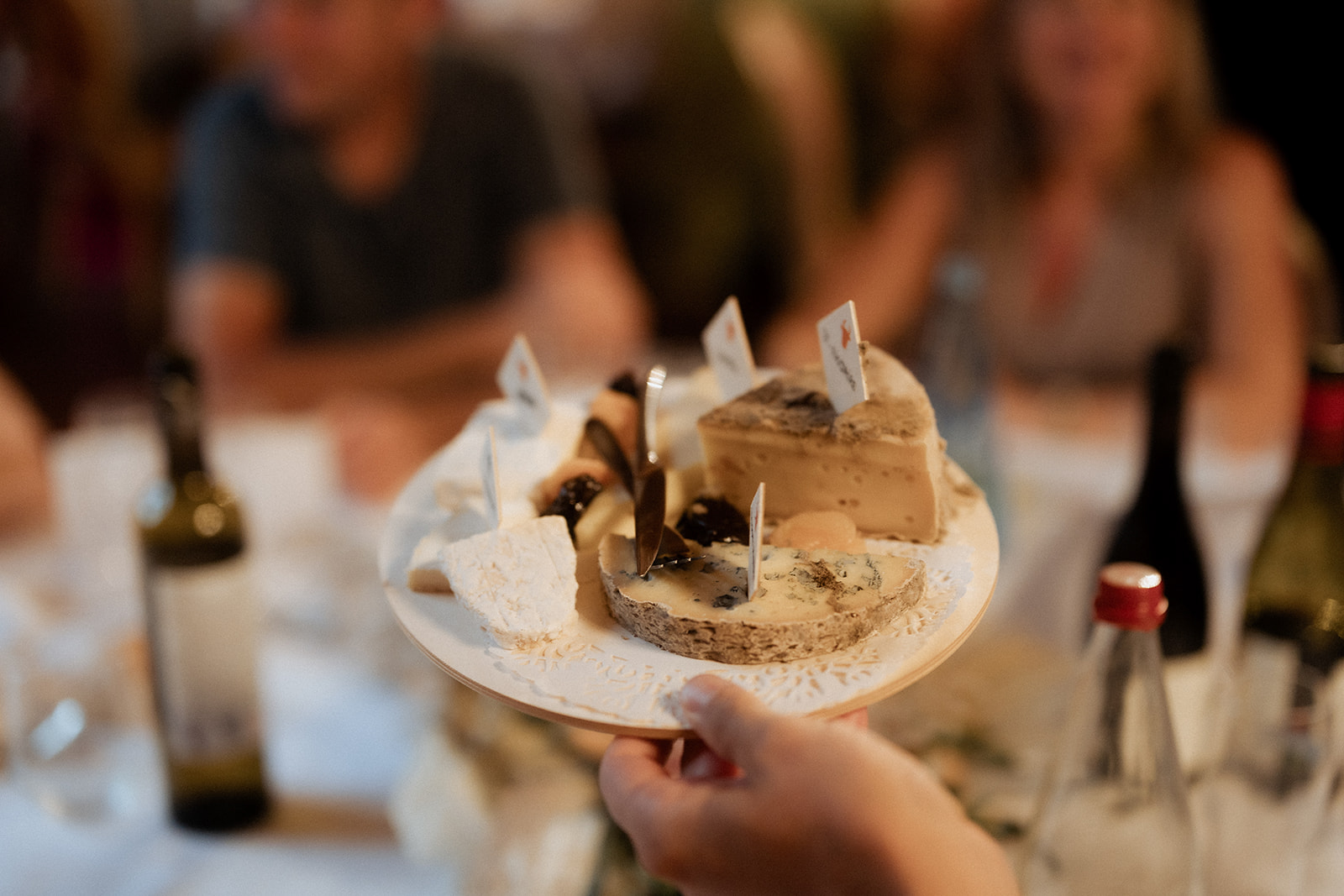
Fromage (cheese course). This is where French weddings diverge most sharply from Anglo conventions. Cheese is served after the main course and before dessert. A curated board of 3 to 5 regional cheeses arrives at each table with fresh bread, walnut bread, dried fruit, and honey.
Guests serve themselves. The cheese course is not a small afterthought. It is a full course, lasting 20 to 30 minutes, with its own wine pairing (often a red from the same region as the cheeses). For more on the cheese course tradition and why it is sacred at French tables, see our dedicated article.
Dessert and pièce montée. Some menus include a plated dessert (tarte Tropézienne in Provence, canelés in Bordeaux, tarte aux pommes in Normandy) before the pièce montée. Others move directly to the tower. The pièce montée, traditionally a croquembouche, arrives with theatrical timing: lights dimmed, sparklers lit, the room standing and cheering. It signals the end of dinner and the beginning of dancing. This moment is not negotiable at a traditional French wedding. Even couples who choose a macaron tower or dessert table preserve the dramatic presentation.
How Do Regional Menus Differ Across France?
French wedding menus are shaped by terroir. The ingredients available locally, the cooking traditions of the region, and the wines produced nearby all determine what appears on the plate. A Provence wedding dinner and a Normandy wedding dinner share the same structure but taste completely different. This regional identity is one of the strongest reasons to choose a local traiteur rather than importing a caterer from another region.
Scroll →
| Region | Signature Ingredients | Classic Wedding Dishes | Wine Pairing |
|---|---|---|---|
| Provence | Olive oil, Sisteron lamb, goat cheese, herbs de Provence, tapenade | Lamb rack with ratatouille, tarte Tropézienne, goat cheese salad | Côtes de Provence rosé, Bandol rouge |
| Bordeaux | Entrecôte, duck, canelés, Pauillac lamb, cèpes | Entrecôte bordelaise, duck confit, canelés for dessert | Saint-Émilion, Médoc, Sauternes with foie gras |
| Dordogne / South-West | Duck, foie gras, walnut, truffle, goose fat | Magret de canard, foie gras mi-cuit, walnut tart | Bergerac, Cahors (Malbec), Monbazillac |
| Normandy | Seafood, cream, apple, calvados, Camembert | Plateau de fruits de mer, sole normande, trou normand, apple tart | Cidre, calvados, local whites |
| Loire Valley | Freshwater fish, goat cheese, asparagus, Tarte Tatin | Pike-perch with beurre blanc, Sainte-Maure goat cheese, Tarte Tatin | Sancerre, Vouvray, Chinon |
| Burgundy | Beef, mustard, Époisses cheese, escargot, cassis | Boeuf bourguignon (refined), escargots, gougères, cassis sorbet | Chablis, Pommard, Meursault |
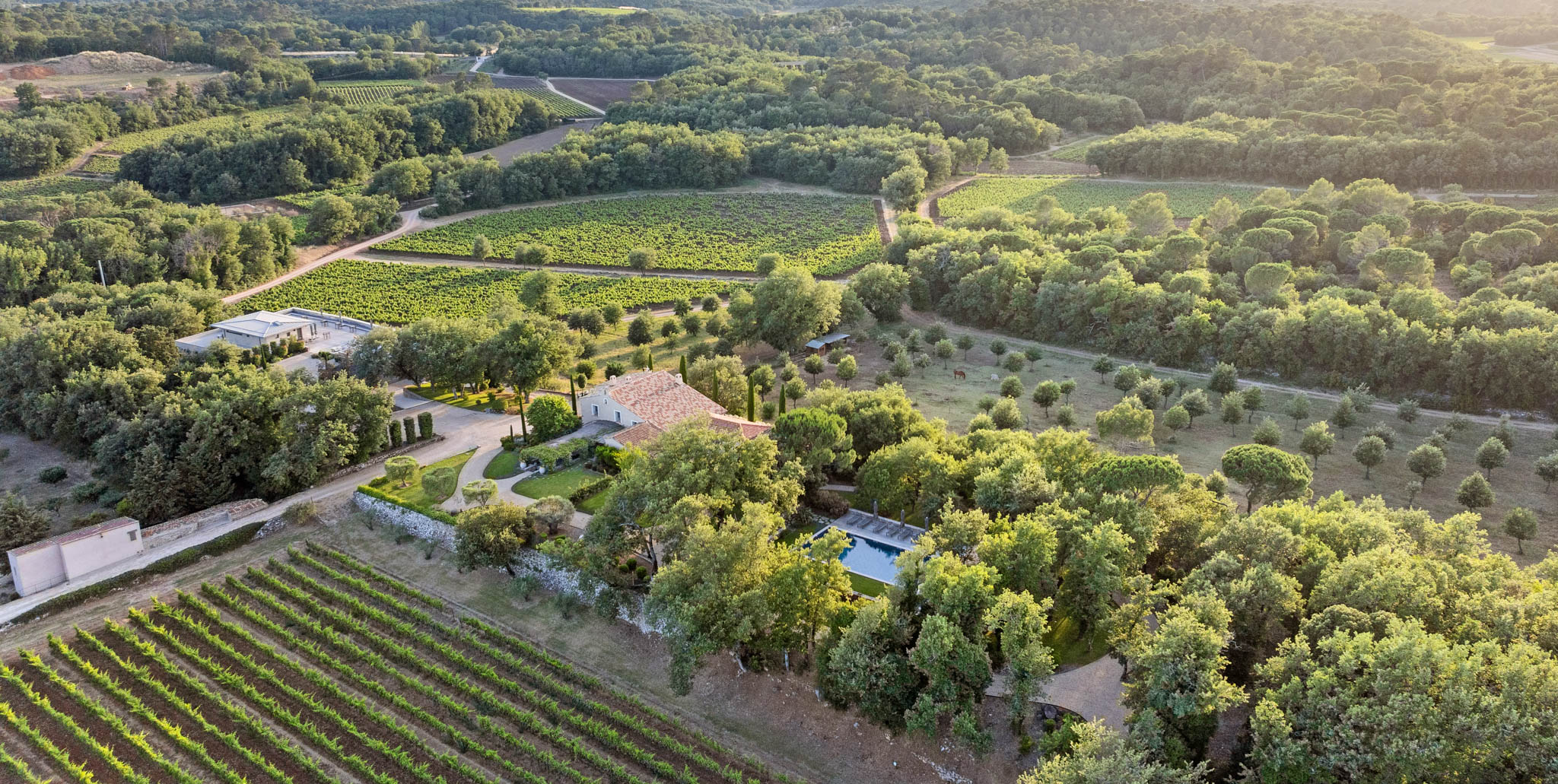
Couples marrying in Provence will find menus built around olive oil, herbs, and the Mediterranean. The Sisteron lamb, from the Alpes-de-Haute-Provence, is considered the finest in France for its herbal, tender character. Goat cheese from local chèvres appears at the fromage course. Tarte Tropézienne, a brioche filled with pastry cream from Saint-Tropez, replaces heavier northern desserts.
In the Bordeaux wine region, beef and wine define the table. The entrecôte bordelaise (rib-eye with a shallot and red wine sauce) is the quintessential plat principal. Canelés, small rum-and-vanilla pastries with a caramelised crust, are the regional dessert. The wine pairing is non-negotiable: Bordeaux reds with the meat, a Sauternes or Monbazillac with the foie gras. Couples who choose a vineyard venue in Bordeaux often arrange a wine tasting weekend for guests as part of the celebration.
The Dordogne and south-west bring duck in every form: magret (breast), confit (slow-cooked leg), foie gras (fattened liver, served mi-cuit or poêlé). Truffle appears in season (November to March). Walnut features in salads, oils, and desserts. This is the richest, most indulgent regional cuisine in France, and the wedding menus reflect it. The south-west of France is where food-focused couples find the most dramatic dining experiences.
How Much Does French Wedding Catering Cost Per Head?
French wedding catering costs between €150 and €280 per head for food as of 2026. This range covers the apéritif dinatoire, all seated courses (entrée, plat, fromage, dessert), the pièce montée, and service staff. It does not include drinks, which are typically quoted separately or included in a drinks package at €30 to €60 per head. For a complete breakdown of venue and vendor costs, see our guide to how French venue pricing works.
Scroll →
| Budget Tier | Cost Per Head (Food) | What Is Included | Typical Region |
|---|---|---|---|
| Mid-range | €150 to €180 | Apéritif (6 to 8 canapés), 3 seated courses + cheese + pièce montée, service staff | South-west, Occitanie, rural areas |
| Upper mid-range | €180 to €220 | Apéritif (8 to 12 canapés), 4 courses + cheese + plated dessert + pièce montée, sommelier service | Provence, Loire, Burgundy |
| Premium | €220 to €280 | Full apéritif dinatoire, 5+ courses, premium ingredients (foie gras, truffle, lobster), dedicated pastry chef | Paris region, Côte d'Azur, Bordeaux grands crus |
Regional pricing varies by 20 to 40 percent. A traiteur in Occitanie charging €160 per head may deliver the same quality of food as a Côte d'Azur caterer at €240, because ingredient costs, staff costs, and venue access fees differ by region. The south-west and Languedoc consistently offer the best value. Paris and the Riviera are the most expensive. Provence sits in the middle, with a wide range depending on how close the venue is to Aix-en-Provence or Marseille.
Your traiteur's quote structure also matters. Most French traiteurs quote all-inclusive per head, covering food, service staff, kitchen rental (if applicable), linen, crockery, and glassware. Some charge extras for late-night food, children's menus, and premium ingredients. Always confirm what is and what is not included before signing. Your guide to choosing a French traiteur covers the questions to ask.
What Do International Couples Get Wrong About French Wedding Menus?
Trying to compress the dinner is the mistake that undermines the evening most. Couples accustomed to a British three-course dinner of 90 minutes ask their traiteur to skip the cheese course, drop the amuse-bouche, and serve dessert by 10pm so dancing can start. The traiteur will comply, but the French guests will notice. The dinner will feel rushed. Speeches that should have been woven between courses are crammed into one block. The pièce montée moment loses its impact because there is no build-up.
Over-specifying the menu based on Pinterest or a London caterer's portfolio causes similar problems. French traiteurs work seasonally and regionally. Requesting a dish that relies on an out-of-season ingredient or one that belongs to a different region's culinary tradition (asking a Provence caterer for a Normandy-style cream sauce, for instance) works against the system. The best results come from telling your traiteur the style you want (light and Mediterranean, rich and indulgent, modern and inventive) and letting them propose a menu built around what is available locally and in season.
Underestimating the apéritif catches many international couples off guard. Couples who budget for canapés as an afterthought discover that their traiteur's minimum apéritif is more substantial than they expected, and the cost reflects that. The apéritif is not a starter. It is a full phase of the evening. Budget for it accordingly: 20 to 25 percent of the food cost per head.
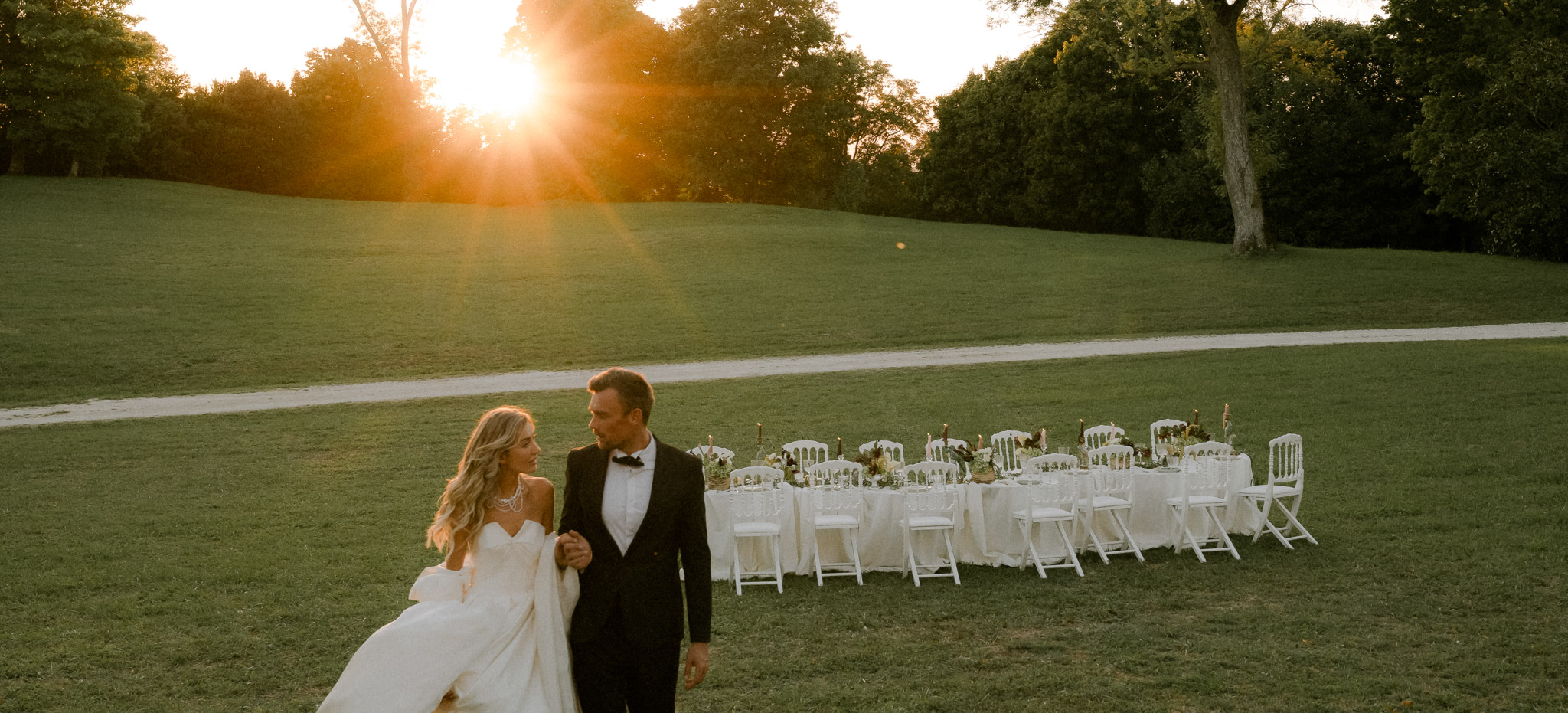
Assuming portion sizes match Anglo standards trips up couples too. French courses are smaller individually but add up to significantly more food across the full sequence. A plat principal at a French wedding is smaller than a British "main course" because it follows a starter, may follow a trou normand, and precedes cheese and dessert. Guests who pile their bread plate during the entrée and fill up on the plat will struggle by the fromage course. The pacing is part of the design. See how this couple brought this to life at Château de Robernier in Provence.
Related Articles
These ten guides expand on the menu and catering topics covered above. The complete food and drink guide provides the broader chapter context. The French dining traditions guide covers the cheese course, trou normand, and table customs that surprise international guests. The wine selection guide helps couples navigate regional pairings from Bordeaux grands crus to Provence rose. The dietary requirements guide addresses vegetarian, vegan, and allergy accommodation at French venues. The late-night food guide covers the soupe a l'oignon tradition and modern alternatives. The croquembouche guide details the piece montee tradition and contemporary dessert options. The traiteur guide explains how to choose and contract a French caterer. The venue pricing guide shows how catering model affects total cost across property types.
- Food and drink for a French wedding: the complete guide
- Le trou normand, cheese course, and French dining traditions
- Wine selection for your French wedding
- Dietary requirements at French wedding venues
- Late-night onion soup and after-party food
- The croquembouche: France's wedding dessert
- Choosing a caterer (traiteur) in France
- Venue pricing explained
- Wedding venues in the south of France
- Browse all wedding venues in France
Frequently Asked Questions
How many courses are standard at a French wedding?
Five to seven courses including the apéritif. The core structure is apéritif dinatoire, entrée, plat principal, fromage, and pièce montée. Many menus add an amuse-bouche and a plated dessert before the pièce montée, bringing the total to seven distinct food moments across the evening. The apéritif alone may include 8 to 12 different canapés.
Can we have a shorter dinner with fewer courses?
Yes, but communicate this clearly with your traiteur and discuss the implications. Dropping the cheese course and amuse-bouche reduces the dinner to three seated courses plus dessert, which takes approximately 2.5 hours instead of 4. This works for intimate weddings, modern celebrations, and predominantly international guest lists. For a mixed French and international crowd, the full sequence is the safer choice.
What time does dinner typically start and end?
The apéritif dinatoire usually begins between 6pm and 7pm. Seated dinner starts between 8pm and 9pm. The pièce montée arrives between 11pm and midnight. Dancing follows immediately and continues until 3am or later. The full food arc, from first canapé to last sparkler, spans 5 to 6 hours.
Do children eat the same menu?
Most traiteurs offer a children's menu (menu enfant) at a reduced price, typically €30 to €50 per child. This is usually a simplified version: a starter, a main (often chicken or pasta), and a dessert. Children under 3 are generally not charged. Specify the number of children and their ages when confirming your menu, as the traiteur needs the count for prep and service planning.
Is it possible to have a vegetarian or vegan French wedding menu?
Fully vegetarian menus are increasingly available from forward-thinking traiteurs, particularly in Paris, Provence, and the Riviera. A fully vegan menu is more challenging but not impossible. The key is discussing this early in the booking process. A traiteur who primarily works with traditional menus may struggle to create a compelling vegan five-course dinner. A traiteur with experience in plant-based cuisine will build it around seasonal vegetables, legumes, and grains with the same care and presentation as a meat-based menu. See our guide to dietary requirements at French weddings for more detail.
Can we request a food station or buffet instead of a seated dinner?
Food stations and buffets are possible but unusual at traditional French weddings. A cocktail dinatoire (extended canapé reception without a seated dinner) is one alternative. Another is a seated dinner with a family-style service, where platters are placed on the table for guests to share. Discuss your preference with your traiteur early. Some venues and caterers are set up for one format and not the other. The seated, plated dinner remains the overwhelming standard at French wedding venues.
Explore Every Guide in This Chapter
Deep-dive into each topic covered above.