
Exclusive-Use vs Shared Venues
Across the FWS venue collection, 72% offer some form of exclusive use, yet the term means something different at almost every property. A farmhouse estate where your group is the only presence for the entire weekend is not the same as a hotel that closes its restaurant to outside diners but shares the pool and breakfast terrace with other guests.
Understanding exactly what you are paying for, and what remains shared, is the most critical clause in your venue contract. How exclusive use works in France, what it costs, and why it changes the shape of your entire wedding weekend. For a broader view of every step involved, see the complete French destination wedding planning resource.
Key Takeaways
- 72% of French Wedding Style venues offer exclusive use, but the definition varies widely. At some properties, "exclusive" means the entire estate. At others, it means event spaces only.
- Farmhouse and domaine venues offer exclusive use at the highest rate (85%), while hotel venues sit at around 50%.
- Exclusive use typically adds a 30 to 50% premium over shared or day-hire pricing, but delivers scheduling freedom, privacy, and full property access that transform a single evening into a multi-day celebration.
- French noise regulations are set by each commune, not by venue policy. Rural exclusive-use properties may face stricter local curfews than hotels in established hospitality zones.
- Always confirm in writing what "exclusive use" excludes: staff quarters, the owner's private apartment, certain outbuildings, and shared facilities such as pools may sit outside the agreement.
What Does "Exclusive Use" Actually Mean at a French Wedding Venue?
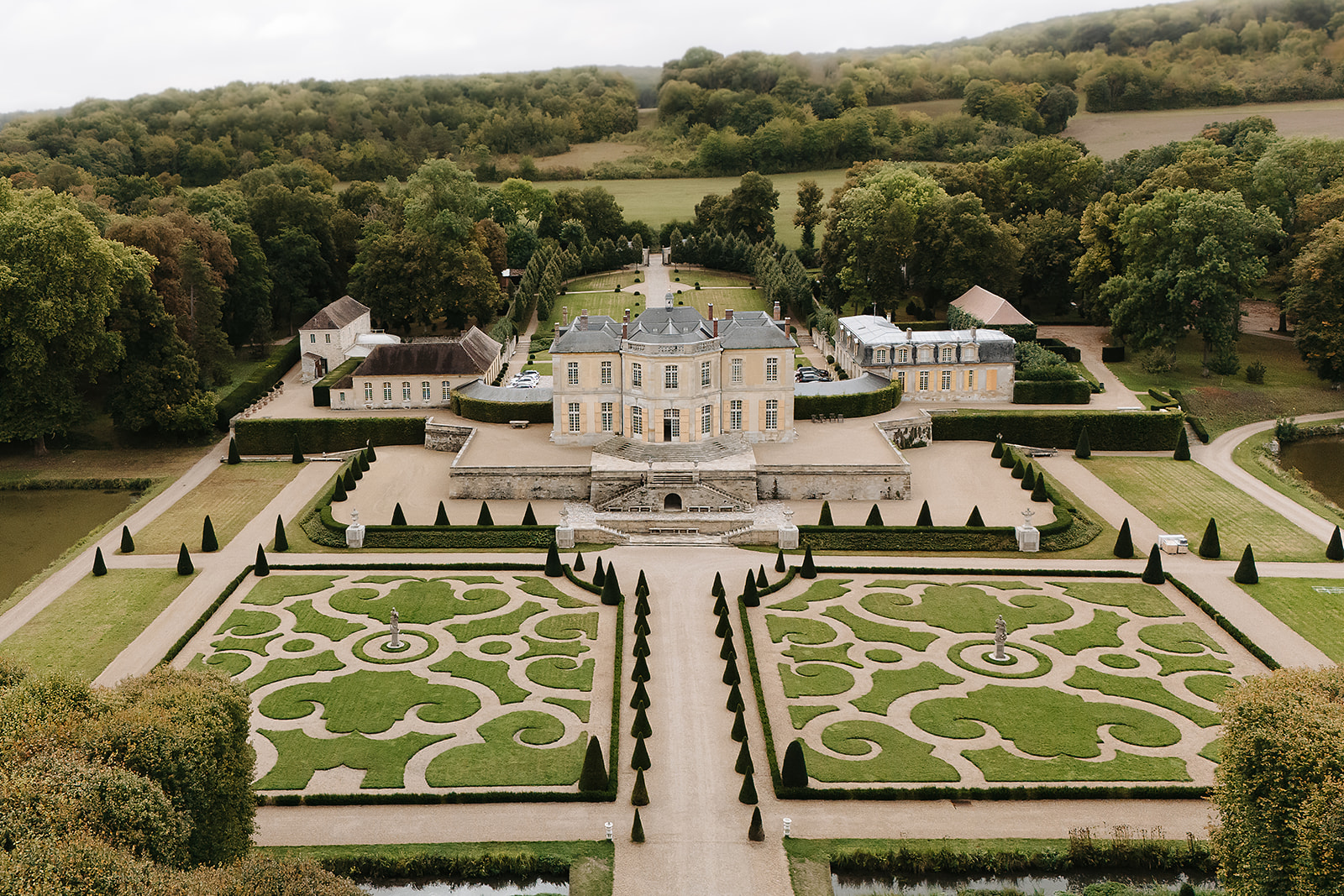
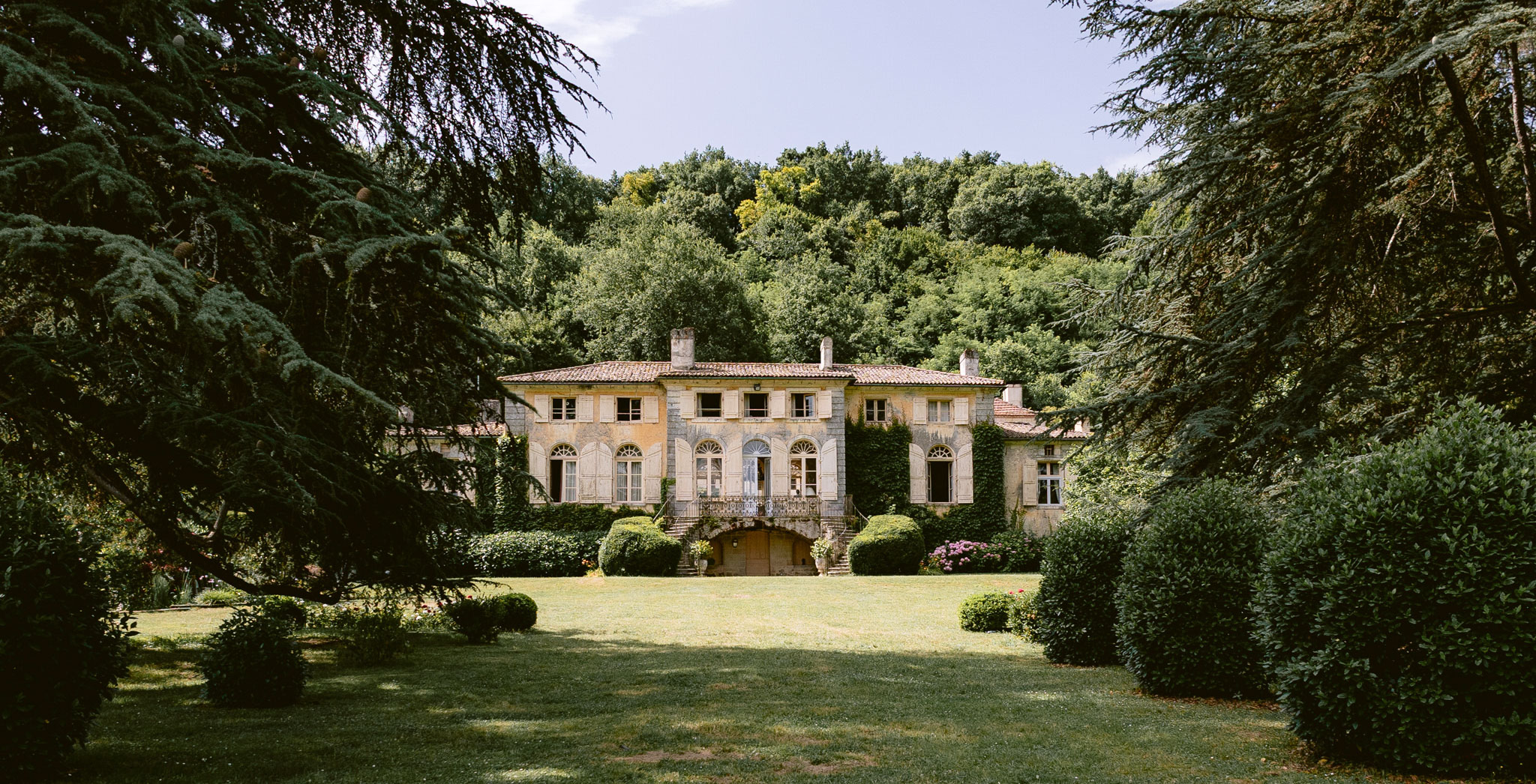
Exclusive use (privatisation) at a French wedding venue means your group is the sole occupant of the property for a defined period, typically Friday afternoon through Sunday morning. No other guests, no other events, no shared spaces. The venue belongs to your wedding party for the contracted duration. That is the principle. The practice varies considerably. At a private château or domaine, exclusive use usually covers the entire estate: the main house, gardens, outbuildings, pool, and all communal areas. Your guests eat breakfast together, swim together, and move freely across the property without encountering strangers. At a converted farmhouse or bastide or barn venue, the model works similarly. These properties were built as single residences and function naturally as private spaces. The 85% exclusive-use rate among farmhouse venues on French Wedding Style reflects this architectural advantage. Where the definition becomes more complex is at hotel venues.
How Does Partial Privatisation Work at Hotel Venues?
Partial privatisation is the standard model at boutique hotels and larger hotel venues in France, where full closure to all other guests is commercially impractical. Under this arrangement, the hotel guarantees that your wedding has sole access to specific areas: the ceremony lawn, the dining room, the cocktail terrace, and a reserved block of bedrooms. Common areas such as the lobby, pool, spa, and breakfast room remain shared with other hotel guests staying in unreserved rooms. About 50% of hotel venues on French Wedding Style offer some privatisation option, and the model works well when expectations are set clearly from the start. Ask the venue to confirm in writing which spaces are reserved for your wedding, which remain shared, and whether other events can be booked on the same weekend. A second wedding happening simultaneously at the same hotel is more common than couples expect at larger properties. For couples who want full control of the property, the solution is straightforward: choose a venue type that was designed as a single-use residence.
Scroll →
| Feature | Full Exclusive Use (Château / Domaine) | Partial Privatisation (Hotel) | Day Hire (No Privatisation) |
|---|---|---|---|
| Event spaces | Reserved for your wedding | Reserved for your wedding | Reserved for your wedding |
| Accommodation | All rooms for your guests | Block of rooms reserved, others available to public | Not included (guests book independently) |
| Pool and gardens | Private to your group | Shared with other hotel guests | May not be accessible |
| Breakfast and communal areas | Private to your group | Shared | Not included |
| Scheduling freedom | Full control of Friday to Sunday | Restricted to agreed event times | Specific hours only |
| Other events same weekend | None permitted | Possible in separate areas | Likely |
| Typical pricing model | Weekend flat fee + per-person catering | Room block + event package | Hourly or half-day hire fee |
| Best for | Full weekend celebrations, 60 to 150 guests | Couples wanting hotel amenities and staff | Intimate ceremonies, budget-conscious couples |
How Much More Does Exclusive Use Cost?
Exclusive use at a French wedding venue typically adds a 30 to 50% premium over the equivalent shared or day-hire rate. A mid-range château that charges €12,000 for a weekend day-hire event will charge €16,000 to €18,000 for full exclusive use of the same property over the same period. The premium covers not just the physical space but the commercial opportunity cost: the venue turns away other bookings, other restaurant covers, other events for the entire contracted period. For hotel venues, partial privatisation carries a smaller premium, typically 15 to 25% above standard group booking rates, because the hotel retains the ability to sell unreserved rooms and shared facilities to other guests. The cost structure also varies by season. Peak-season exclusive use (June through September, per our seasonal climate guide for French weddings) commands higher rates, and many venues require a minimum guest count or minimum spend to release the property on a privatised basis.
For a full breakdown of how French venues structure their pricing, read our guide to how venue pricing works in France.
How Do Noise Regulations Differ Between Exclusive and Shared Venues?
One of the most common assumptions international couples make is that a rural exclusive-use venue will have more relaxed noise rules than a hotel. The opposite is often true. In France, noise regulations (arrêtés préfectoraux) are set by each commune, not by the venue itself. A rural commune with few residents and no established event history may impose strict curfews precisely because there is no precedent for late-night celebrations. A hotel in an established hospitality zone, by contrast, may operate under permissions that allow music until 1:00 or 2:00 in the morning because the commune has always accommodated hotel events. The venue's location within the commune matters more than the venue type. A château surrounded by agricultural land with no neighbours within 500 metres will face different enforcement than one sharing a village boundary.
Ask the venue three specific questions: what time must amplified music stop, has there ever been a noise complaint from neighbours, and does the commune require a déclaration préalable (prior notification) for events. Some venues solve the curfew issue by moving the party indoors after a set hour. Others provide silent disco equipment. Understanding the hidden costs of a French wedding includes knowing which commune-level restrictions apply to your chosen venue. A venue that tells you "there are no noise restrictions" is either misinformed or misleading you. Every commune in France has noise rules. The question is what they are and how strictly they are enforced.
What Are the Hidden Advantages of Exclusive Use?
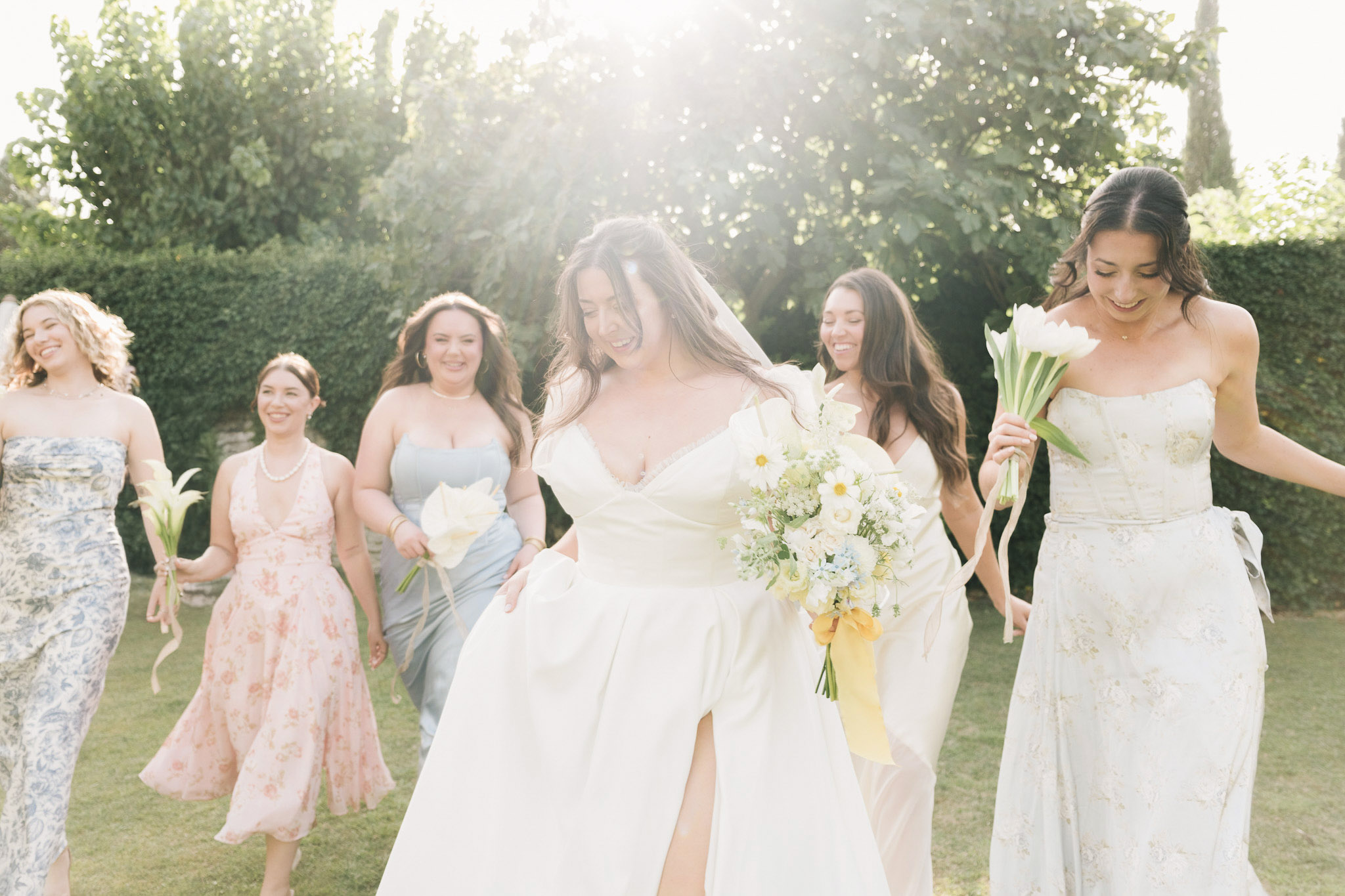
The advantages of exclusive use that couples discover only after booking are often more valuable than the privacy they originally sought. Complete scheduling freedom means no fixed ceremony start time, no pressure to vacate a room for another event, and no rush to clear the breakfast terrace by 10:00 for other guests. The entire weekend becomes yours to shape. Welcome drinks on Friday evening flow naturally into dinner because there is no one else to accommodate. Saturday morning starts with a relaxed group breakfast by the pool, not a shared buffet with strangers. The ceremony happens when you are ready, not when the venue's other bookings permit. After dinner, guests spread across the property: some dance, some sit by the fire pit, some take a midnight swim. Nobody asks them to keep their voices down for other guests. Sunday brunch becomes a proper farewell rather than a rushed checkout. This multi-day rhythm is the reason exclusive-use venues in France dominate destination wedding planning. The couple is not paying for a single evening.
Where International Couples Go Wrong with Exclusive Use
"Exclusive" does not mean unrestricted. Read the contract clause carefully. Many venues exclude the owner's private apartment, staff quarters, certain outbuildings, agricultural land, and occasionally the pool area during specific hours. A property marketed as exclusive use may have the owner living in a separate wing of the château throughout your weekend. This is standard practice and usually unobtrusive, but it is not what most couples picture when they hear "exclusive." Weekend pricing is the norm, not the exception. The French wedding market operates on a weekend rental model: Friday arrival through Sunday departure. UK and Irish couples accustomed to single-day venue hire often experience sticker shock when they see a weekend rate. But the weekend model is precisely what makes French destination weddings work. Without it, there is no welcome dinner, no pool day, no brunch. See how this couple brought this to life at Château de Varennes in Burgundy.
Exclusive use is not all-inclusive. Exclusive use means you have the property to yourselves. It says nothing about what services are included. Many exclusive-use venues are dry-hire, meaning the couple sources catering, furniture, and all suppliers independently. Our guide to why a wedding planner is essential for exclusive-use venue logistics in France covers this in detail. Others offer full packages. Always clarify the service model alongside the privatisation model.
The security deposit ties up cash. A typical security deposit at French exclusive-use venues runs around €3,000, refundable after the event provided no damage has occurred. Factor this into your cash flow planning, as it ties up funds for several weeks. Our complete guide to where exclusive-use estates cluster across French wedding regions walks through the details.
For couples weighing the full range of venue decisions, exclusive use is not automatically the right answer. A well-run hotel with partial privatisation, professional staff, and strong infrastructure may deliver a better experience than a remote exclusive-use property where the couple must organise everything independently. The right model depends on your guest count, your budget, and how much of the planning you want the venue to handle.
Related Articles
- The best exclusive-use wedding venues in France
- How venue pricing works in France: site fees, packages, and hidden costs
- Essential questions to ask a French wedding venue before booking
- All-inclusive vs dry-hire wedding venues in France
- Why guest accommodation changes everything about your French wedding
Frequently Asked Questions
Can I negotiate exclusive use at a venue that does not normally offer it?
Yes, particularly during the off-season (November through March) and for midweek weddings. Hotels and multi-function venues that would not release the full property for a Saturday in July may offer exclusive use for a Thursday wedding in October if the revenue meets their minimum threshold. Present the request in writing with your proposed dates, guest count, and total spend so the venue can evaluate the commercial case. Expect to pay the equivalent of the revenue the venue would otherwise earn from normal operations during that period.
What happens if the venue breaches the exclusive-use agreement?
If another event or group is present during your contracted exclusive-use period, this is a breach of contract under French law. Document the situation with photographs, notify the venue manager immediately in writing, and retain copies of all correspondence. French consumer protection (Code de la consommation) provides recourse for services not delivered as contracted. A partial refund or compensation is the typical resolution. Having a French-speaking wedding planner or bilingual legal contact available during the weekend is valuable insurance for this scenario.
Is exclusive use worth the premium for a small wedding of 30 guests or fewer?
For intimate weddings, the financial case for exclusive use is weaker because the per-guest cost of the venue premium becomes disproportionately high. A 30-guest wedding at a venue charging a €6,000 exclusive-use premium adds €200 per guest to the venue cost alone. Consider instead an intimate venue in France designed for smaller celebrations, where the entire property naturally accommodates your group size without a privatisation surcharge. Many smaller châteaux and bastides operate exclusively as wedding venues and do not host other events, meaning exclusive use is built into the standard rate.
Do all exclusive-use venues in France require a minimum stay of two nights?
The majority do. Across French Wedding Style's venue portfolio, 61% require a minimum two-night stay. This is even higher among exclusive-use properties, where the weekend rental model (Friday through Sunday) is standard. Single-night exclusive use is occasionally available midweek or in the off-season, but the French destination wedding model is built around multi-day celebrations. Budget for at least two nights of accommodation and venue hire when planning an exclusive-use wedding in France.
Exclusive use is an investment in the guest experience. The premium buys more than privacy: it buys a weekend where every space, every meal, and every moment belongs to your celebration. Compare exclusive-use properties across every region by browsing the full collection of exclusive-use wedding venues in France, or return to the venue selection guide for more factors that shape this decision.
Explore Every Guide in This Chapter
Deep-dive into each topic covered above.