
French Wedding Evening: Dinner, Speeches and Dancing
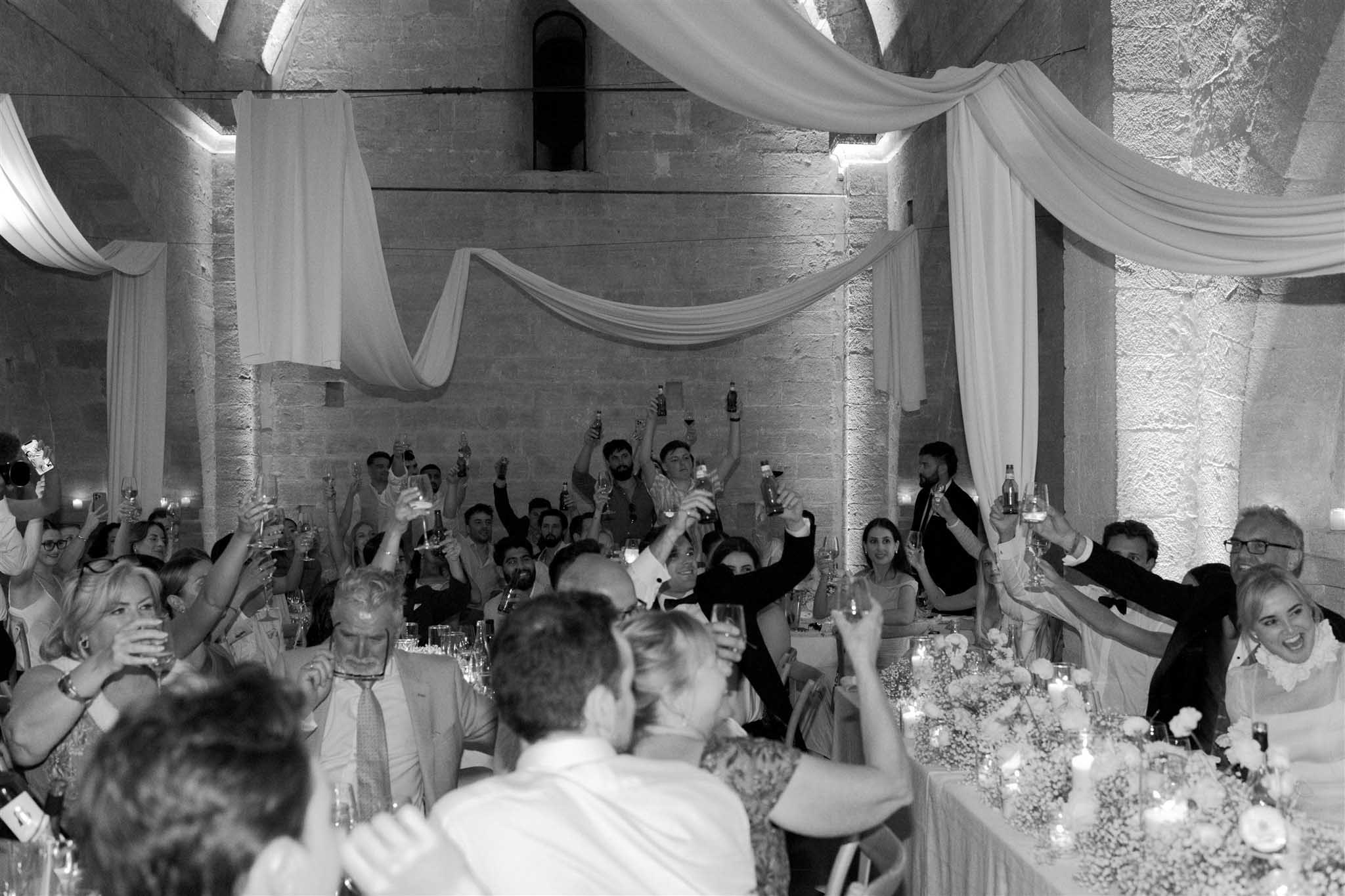
Dinner at a French wedding is not a meal. It is an event that lasts three to four hours, moves through five or six courses, and carries the emotional weight of the entire evening on its shoulders. The room is lit by candlelight and the last warm glow of a summer sky through open doors. Tables are set with more glassware than any single person could use in an evening. The first course arrives around 8.30pm.
The cheese course finishes close to midnight. Between those two points, speeches are scattered through the courses like punctuation marks, the wine changes colour with each dish, and the room gets louder, warmer, and more animated with every hour. This is not a sit-down dinner with a band afterwards. This is the main act, and the dancing is the encore. This forms part of our complete guide to planning a destination wedding in France. For the full chapter, see our complete wedding day timeline guide.
Key Takeaways
- French wedding dinners typically begin between 8pm and 9pm and last 3 to 4 hours. A five-course dinner (entrée, fish, meat, cheese, dessert) is standard. Some caterers serve a six or seven-course menu with an amuse-bouche and a pre-dessert.
- Speeches at French weddings are not concentrated into a single block. They are scattered between courses: the best man after the entrée, the parents after the main, the couple before dessert. This keeps the energy varied and prevents speech fatigue.
- Dancing starts after the dessert course, typically between 11pm and midnight. The first dance happens in this window. At some weddings, the first dance opens the evening. At others, it follows the dessert.
- French weddings commonly continue until 3am to 5am. The shift from formal dinner to late-night party happens gradually, with the music getting louder, the jackets coming off, and the dancing building in intensity through the early morning hours.
How Does a French Wedding Dinner Unfold?
The dinner follows a rhythm that is distinctly French: structured, unhurried, and built around the idea that a meal is a social occasion, not refuelling. 8.00pm to 8.30pm: Guests are seated. The transition from the vin d'honneur takes 15 to 20 minutes. Guests find their tables via the plan de table, locate their place cards, and settle in. Bread and water are already on the tables. Background music plays at a conversational volume. The room buzzes with the energy of people finding their seats and meeting their table companions. 8.30pm: Amuse-bouche or entrée. The first course arrives. In a formal French menu, an amuse-bouche (a small bite from the chef) may precede the entrée. The entrée in French dining is the starter, not the main course. Common choices: foie gras terrine, salmon tartare, a seasonal salad with warm goat cheese, a vegetable velouté, or crab and avocado. Wine: a white Burgundy, a Sancerre, or a rosé from Provence. For the full menu tradition, see our guide to the traditional French wedding menu.
9.15pm: Fish course (optional). A poisson course between the starter and the main is traditional at more formal French weddings. Grilled sea bass with fennel, lobster medallions, or a delicate sole meunière. This course extends the dinner by 30 to 40 minutes. Many modern caterers offer a four-course menu (starter, main, cheese, dessert) that skips the fish to keep the evening moving.
9.45pm to 10.00pm: Main course. The plat principal. Beef filet, rack of lamb, duck breast, or guinea fowl. Served with seasonal vegetables and sometimes a gratin dauphinois or ratatouille. The wine shifts to red: a Bordeaux, a Côtes du Rhône, or a regional selection from wherever the wedding is held. This is the centrepiece of the meal, and the course around which the kitchen has built the evening.
10.30pm to 11.00pm: Cheese course. The fromage course is non-negotiable at a French wedding. A selection of 5 to 8 cheeses (soft, hard, blue, goat) presented on a board or platter, served with fresh bread and sometimes fruit or chutney. French guests expect this course. International guests are often surprised and delighted by it. The cheese course is paired with the remaining red wine and sometimes a sweet wine (Sauternes, Monbazillac).
11.00pm to 11.30pm: Dessert and the pièce montée. The pièce montée (the traditional French wedding cake, a tower of profiteroles held together with spun caramel) is presented with ceremony. The lights dim. Sparklers are lit. The couple cuts the cake (or, in the case of a croquembouche, pulls off the first profiterole). Some couples replace the pièce montée with a more contemporary dessert: a multi-tiered cake in the Anglo tradition, individual desserts at the table, or a dessert buffet. For the history and modern variations, see our croquembouche guide.
When Do Speeches Happen?
The speech placement at a French wedding is different from the British or American model. In the UK, speeches happen between the main course and dessert, in a single 30 to 45-minute block. At an American wedding, toasts happen at the start of the reception. At a French wedding, speeches are dispersed. The rationale is pacing. A French dinner is long. Five courses over three hours. Concentrating all the speeches into one slot creates a 30-minute stretch where nobody is eating, the kitchen stalls, and half the room loses attention. Scattering speeches between courses gives each speaker their moment, breaks up the meal with emotion and laughter, and keeps the energy dynamic across the evening. A typical speech schedule at a French wedding: At French weddings with French guests, the tradition of animations, staged comedic skits, video compilations, and group activities, is common. These happen during the dinner, often between the main course and the cheese, and can last 15 to 30 minutes.
| Timing | Speaker | Duration |
|---|---|---|
| After the entrée | Best man or témoin | 5 to 8 minutes |
| After the fish or before the main | Maid of honour or bridesmaid | 5 to 8 minutes |
| After the main course | Father of the bride or parents | 5 to 10 minutes |
| After the cheese (before dessert) | The couple (thank-you speech) | 5 to 8 minutes |
If your wedding includes speeches in two languages, do not translate each speech. Let the best man speak in English. Let the père de la mariée speak in French. Provide printed translations at the tables or a brief verbal summary from the MC. This keeps the speeches authentic rather than doubling their length.
What Time Does Dancing Start?
Dancing begins after the dessert course, typically between 11pm and midnight. At a wedding with a 5pm ceremony and 8.30pm dinner service, the transition to dancing happens around 11.30pm. The first dance opens the dancing. At some French weddings, the first dance happens immediately after the pièce montée is presented. At others, there is a short break (10 to 15 minutes) between dessert and the dance floor opening: a moment for guests to use the bathroom, move chairs, and for the DJ or band to set up the live sound. The music shifts from background dinner playlist to the opening track. The lights change. The couple takes the floor. French first dances are typically short (2 to 3 minutes) and unchoreographed. The couple dances. Parents may join after a minute. Then the floor opens to all guests. Some international couples prepare a choreographed first dance, which French guests find entertaining but not expected. What matters is that the first dance signals the shift from dinner to party. Everything that follows is dancing.
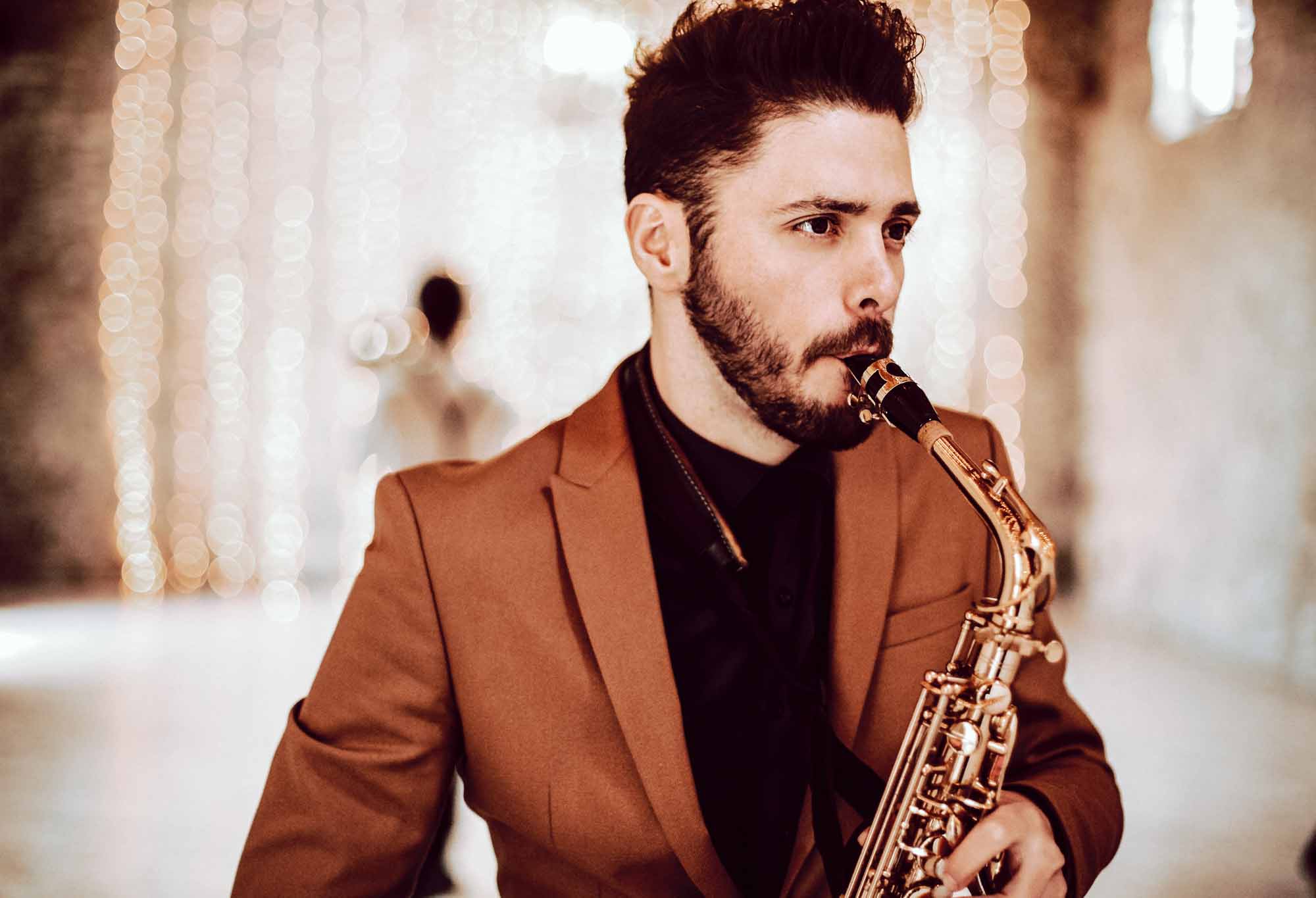
The DJ or band sets the energy arc: familiar crowd-pleasers first to fill the floor, building to the peak energy at 1am to 2am, with slower tracks mixed in to give dancers a break. The music selection at a French wedding is covered in our dedicated guide.
How Late Do French Weddings Go?
Late. Later than most international couples expect. A French wedding that starts at 5pm and follows the traditional schedule reaches the dancing at 11.30pm. The dance floor peaks between 1am and 2am. The party continues, gradually thinning, until 3am to 5am. Some guests stay until dawn. This is normal. This is expected. French wedding guests do not leave at midnight. The timeline after midnight looks like this: the formal entertainment (DJ set or band) continues until 2am to 3am. After the DJ finishes, a late-night playlist takes over. The bar shifts from wine to spirits or beer. Some caterers serve a late-night snack around 1am to 2am: a croque-monsieur station, a burger bar, a soupe à l'oignon (the traditional French post-midnight wedding dish), or pizza. This second wind of food keeps the energy going and absorbs the alcohol.
For the after-midnight scene and how to manage sound curfews, see our late-night party guide.
The ending is gradual, not abrupt. Guests drift away in small groups. The couple may leave the dance floor at 3am. Some guests stay until 4am or 5am. At venues with no sound curfew, the music can continue at volume. At venues with a curfew (commonly midnight or 1am for outdoor sound), the party moves indoors, where the walls contain the noise. The planning team manages this transition so the couple does not have to.
International couples, particularly British and American ones, sometimes plan to end the party at midnight or 1am because that is the norm at home. At a French wedding, cutting the music at midnight means the party ends just as French guests are hitting their stride. If your venue allows it, plan for music until at least 2am. Your guests will thank you at brunch the next morning.
Related Articles
- Wedding day timeline: the complete guide
- From vin d'honneur to dinner
- The late night and after-party
- Sample wedding day timelines
- The traditional French wedding menu
- French dining traditions at weddings
- Music at a French wedding
- The croquembouche and French wedding cakes
- French wedding seating plans
- Lighting for French wedding venues
- vin d’honneur and soirée traditions
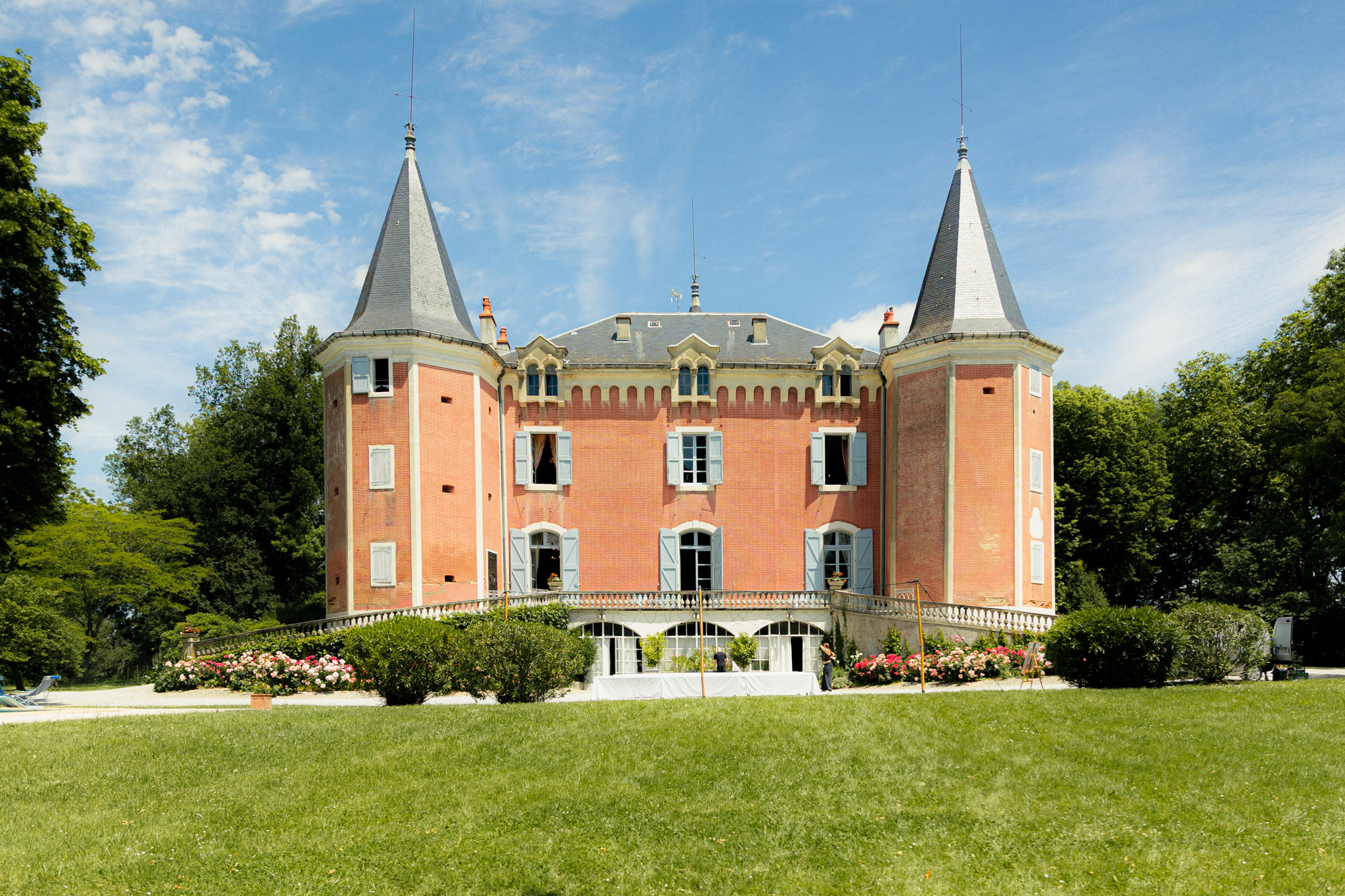
- Château wedding venues in France
- No-curfew wedding venues in France
- Large wedding venues in France
- Browse all wedding venues in France
Frequently Asked Questions
Do French weddings have a cake-cutting moment?
Yes, and it is theatrical. The pièce montée (croquembouche) is carried out with sparklers, the lights dim, and guests cheer. At a traditional French wedding, the couple does not cut the cake with a knife. They tap the base of the croquembouche with a champagne sabre or simply pull off the first profiterole. If you have a tiered cake instead, the cutting is done in the Anglo style with a knife, often accompanied by champagne. The pièce montée reveal typically happens between 11pm and 11.30pm.
Should we have a band or a DJ?
Both work. A live band brings energy and spectacle but costs significantly more (typically two to three times the price of a DJ) and needs more space. A DJ is more flexible with genre and volume, and can read the room moment by moment. Many couples compromise: a live band for the first 90 minutes of dancing, then a DJ to take over for the late-night set. Whatever you choose, ensure the sound system can fill the space without distortion. Stone walls in château dining rooms create echo, and outdoor dance floors need more powerful speakers than indoor ones.
What if some guests want to leave early?
Guests leaving before midnight is uncommon at French weddings but not unusual for elderly relatives, families with young children, or guests with early flights the next morning. Arrange transport (a shuttle to nearby hotels, a taxi list) so that early departures are easy and do not require the couple to organise logistics mid-party. Post the transport schedule on a card at each table or on the wedding website.
Explore Every Guide in This Chapter
Deep-dive into each topic covered above.