
The Croquembouche: History, Etiquette, Modern Twists
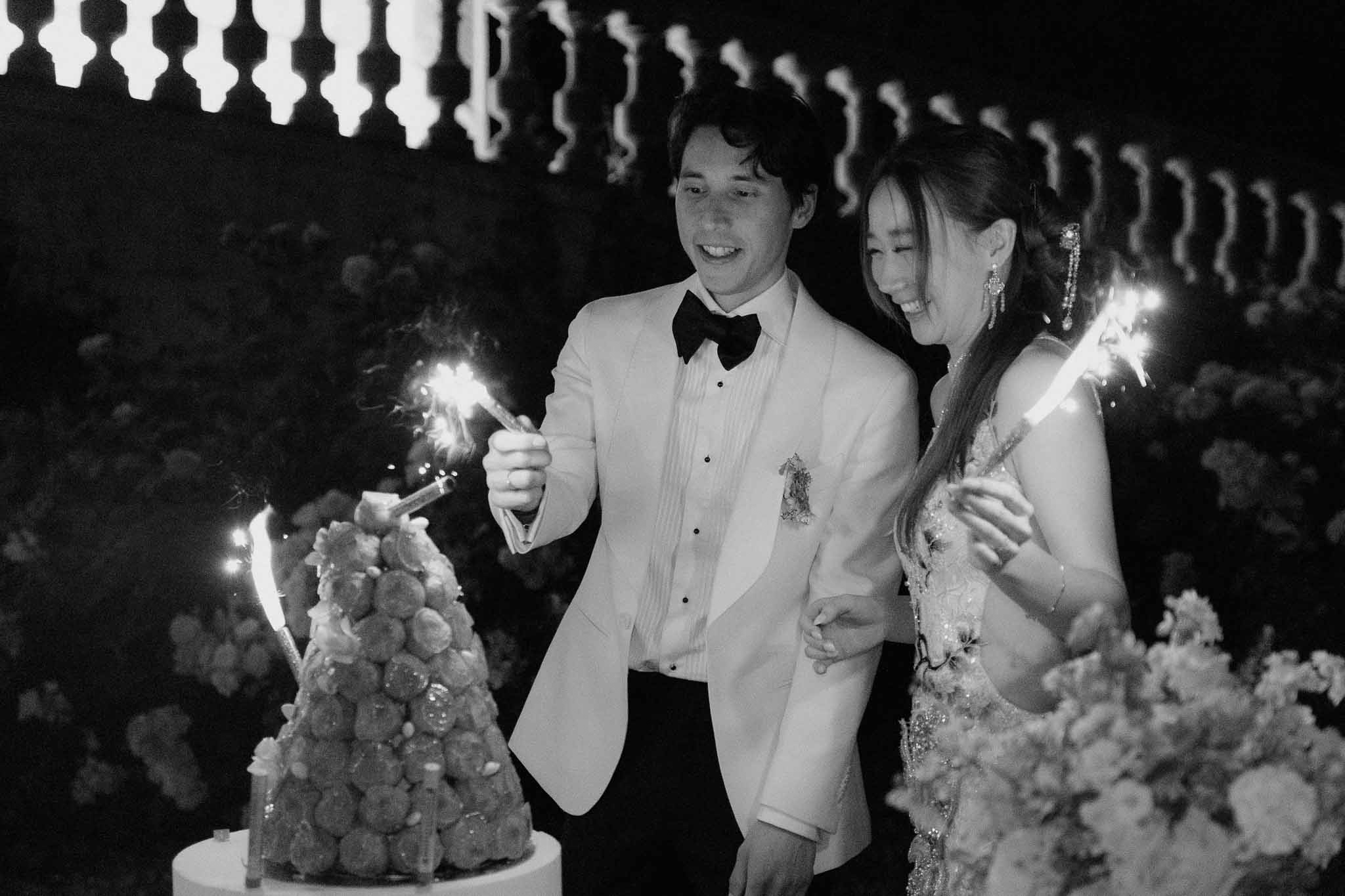
No image captures the spirit of a French wedding quite like the croquembouche. A tower of golden choux pastry bound in caramel threads, dusted with spun sugar, sometimes studded with sugared almonds or fresh roses. It arrives at the end of a four-hour dinner, often wheeled out on a trolley with sparklers blazing, and the entire room stands. For a broader view of every step involved, see the complete French destination wedding planning resource.
This is the pièce montée. It is dessert, spectacle, and tradition rolled into one shimmering cone of caramelised perfection. Below is the history, the etiquette, the modern alternatives, and the costs involved, as part of our guide to French wedding traditions and culture. For how the croquembouche fits into the full evening arc, see our guide to the vin d'honneur and French wedding day structure.
Key Takeaways
- A croquembouche is a cone-shaped tower of cream-filled choux pastry balls bound with caramel. It is the traditional French wedding dessert, known as the pièce montée.
- The couple cuts it together, traditionally with a sword or large knife, to cheers and sparklers from the guests.
- Costs range from €150 to €300 for a simple tower serving 50 guests, up to €500 to €800 for elaborate versions with nougatine, sugar flowers, or chocolate work for 100+ guests.
- Modern alternatives include macaron towers, profiterole cascades, dessert tables, and hybrid designs that combine a small croquembouche with a wider dessert spread.
- Most French pâtissiers need two to four weeks' notice and a tasting appointment to create a wedding croquembouche.
What Is a Croquembouche?
A croquembouche (from the French "croque en bouche," meaning "crunch in the mouth") is a cone-shaped tower constructed from individual choux pastry balls filled with crème pâtissière or flavoured cream, then bound together with threads of caramelised sugar. The exterior may be decorated with spun sugar, nougatine (a crisp almond and caramel confection), sugared almonds, edible flowers, or fresh fruit. The classic version stands 40 to 60 centimetres tall and serves 50 to 80 guests, with each person receiving two or three profiteroles from the tower. The tradition dates to the late 18th century and is attributed to the legendary pâtissier Antoine Carême, who refined the art of pièce montée construction for aristocratic celebrations. Choux pastry, the base ingredient, is a light cooked dough that puffs hollow in the oven. The name choux (French for "cabbage") refers to the round, slightly irregular shape of each baked ball. Filled, stacked, and glazed with cracking caramel, the individual components become something greater than the sum: a structural feat as much as a dessert.
The term pièce montée (literally "mounted piece") refers more broadly to any elaborate centrepiece dessert at a French celebration. While the croquembouche is the most traditional form, a pièce montée can also be a tiered macaron tower, a nougatine sculpture, or a modern architectural dessert. At French weddings, the two terms are often used interchangeably, though technically the croquembouche is one type of pièce montée.
How Does the Croquembouche Tradition Work at French Weddings?
The croquembouche is served after the cheese course and any preceding dessert, typically as the final act of dinner, around 11pm to midnight. Its arrival is a theatrical moment. The lights dim. The tower appears on a trolley, flanked by sparklers or indoor fireworks. Guests stand, cheer, and applaud. In some regions, particularly the south, guests clap rhythmically as the tower is wheeled to the head table. The room fills with golden light and the sweet, burnt-sugar smell of fresh caramel. The couple cuts the tower together. Traditionally, this was done with a sword, a remnant of aristocratic wedding customs. Today, a large serving knife is standard, though some venues still offer a decorative sword for the occasion. The couple slices through the caramel threads from the top, and the tower is then dismantled from the top down, with profiteroles distributed to each table. The moment signals the transition from dinner to dancing and the ouverture de bal.
The flavour profile is simple and deliberate. Classic crème pâtissière (vanilla pastry cream) remains the most popular filling across the French pâtisserie tradition. Modern variations include chocolate ganache, salted caramel, pistachio cream, and rose-scented cream. Many pâtissiers offer a mix of flavours within a single tower, alternating vanilla and chocolate choux to create visual contrast and give guests a choice.
What Are Modern Alternatives to the Traditional Tower?
The croquembouche remains the default at traditional French weddings, but international couples and modern French couples increasingly choose alternatives or hybrid approaches. Across destination weddings featured on French Wedding Style, including couples blending French customs with their own, approximately half now opt for a variation on the classic tower rather than the pure croquembouche form. The visual drama remains. The specifics shift. The macaron tower has become the leading alternative. Macarons photograph well (those jewel colours against white linen), travel better than caramel-bound choux (caramel softens in humidity), and accommodate dietary preferences more easily (naturally gluten-free, unlike choux pastry). A tower of 150 macarons in dusty rose, sage green, and ivory serves 80 guests and creates a visual centrepiece that doubles as a colour accent for the entire table scheme. The hybrid approach works well for couples who want the tradition without committing fully. A small, 30-choux croquembouche for the cutting ceremony sits at the centre of a broader dessert display: tarte au citron, opera cake slices, chocolate truffles, seasonal fruit. See how this couple brought this to life at Château de Robernier in Provence.
Scroll →
| Alternative | Description | Price Range (80 guests) | Visual Impact |
|---|---|---|---|
| Classic croquembouche | Choux tower with caramel, nougatine, spun sugar | €200 to €500 | High. Gold, architectural, traditional. |
| Macaron tower | Cone of coloured macarons on a polystyrene frame | €250 to €600 | Very high. Colour customisable. Pastel, jewel-tone, ombré. |
| Dessert table | Assorted spread: mini tarts, éclairs, macarons, fruit, chocolates | €300 to €700 | Medium-high. Works as a grazing moment. |
| Tiered wedding cake | Anglo-American style (buttercream, fondant, or naked) | €350 to €900 | High. Familiar to international guests. |
| Hybrid: small tower + dessert spread | Ceremonial croquembouche for cutting, plus wider dessert selection | €400 to €800 | Very high. Best of both traditions. |
| Naked croquembouche | Choux tower without caramel threads, decorated with fresh flowers and fruit | €150 to €350 | Medium. Rustic, garden-party feel. |
How Much Does a Croquembouche Cost?
A croquembouche costs between €150 and €800 depending on size, complexity, and the pâtissier's reputation. At exclusive-use venues where the couple controls every detail, this makes it significantly more affordable than a comparable tiered wedding cake, which can cost €500 to €1,200 from a specialist cake designer in France. The cost per guest for a croquembouche is €2 to €8, making it one of the most cost-effective elements of the entire wedding. Regional pricing varies modestly. Pâtissiers in Paris and the Côte d'Azur charge 20 to 30 percent more than those in Occitanie or the Dordogne. Most venue-recommended pâtissiers include delivery and on-site assembly in their quote. If ordering independently, confirm whether delivery to the venue is included or charged separately, particularly for rural venues where the journey may exceed an hour. Our guide to choosing a French wedding caterer who masters traditional pâtisserie explains the specifics. A tasting appointment is standard. Most pâtissiers offer tastings of two to three filling options for €20 to €50 per couple, often credited against the final order.
Scroll →
| Size | Guest Count | Price Range (2026) | What Is Included |
|---|---|---|---|
| Small (80 to 100 choux) | 40 to 50 guests | €150 to €300 | Vanilla or chocolate filling, basic caramel, minimal decoration |
| Medium (150 to 200 choux) | 70 to 100 guests | €250 to €500 | Mixed fillings, spun sugar, nougatine base, sugared almonds |
| Large (250+ choux) | 100 to 150 guests | €400 to €800 | Elaborate decoration, sugar flowers, chocolate work, multi-flavour, delivery and assembly |
What Do International Couples Get Wrong About the Croquembouche?
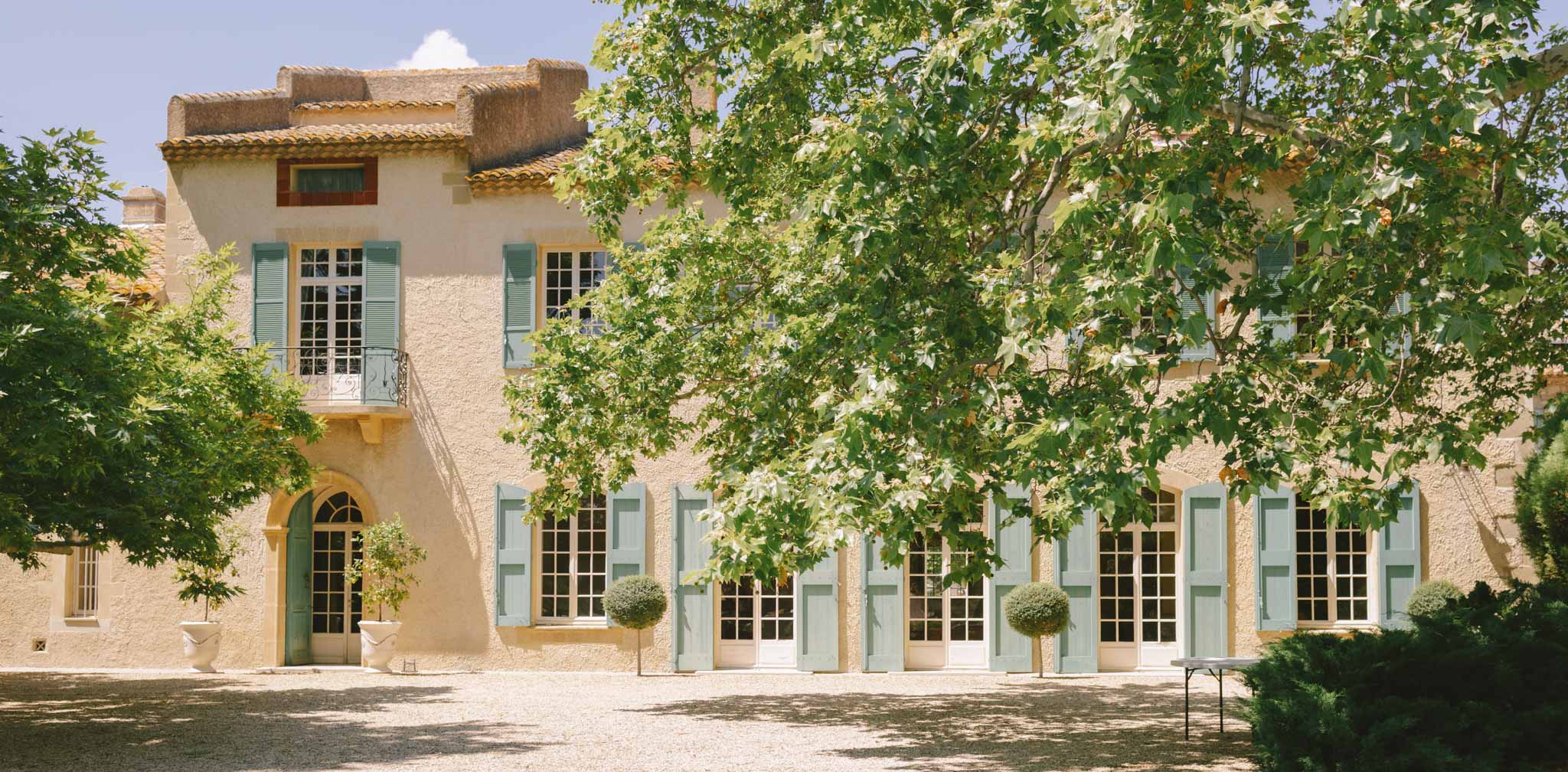
The error that derails plans most frequently is ordering a tiered Anglo-American wedding cake and expecting it to replace the croquembouche moment. French guests will look for the pièce montée. Its arrival is a cultural cue that signals the transition from dinner to dancing. At château wedding venues, the stone dining hall amplifies the gasps. Without it, the evening loses a built-in climax. If you prefer a different dessert, choose a visually dramatic alternative (macaron tower, dessert table with a centrepiece) rather than a flat replacement. A second mistake is underestimating the humidity factor. Caramel softens in warm, humid conditions. An outdoor croquembouche in August Provence heat will begin to weep within 90 minutes. Your pâtissier will advise on timing, but the general rule is: assemble on site, keep in a cool room, and wheel out immediately before serving. Our guide to the full structure of a French wedding dinner from aperitif to dessert covers this in detail. Never display a croquembouche outdoors for an extended cocktail hour. The caramel will not forgive you.
A third mistake is assuming the croquembouche arrives ready to eat from a bakery. Large towers are assembled on site by the pâtissier or a trained assistant. The choux are baked and filled in advance, but the caramel construction and decoration happen at the venue, often in the hours before dinner. This is why your pâtissier needs access to the venue kitchen and a stable, cool surface for assembly. Confirm these logistics with your venue coordinator. Your wedding planner can manage the relationship between pâtissier and venue kitchen.
Frequently Asked Questions
Can we have both a croquembouche and a wedding cake?
Yes, and many international couples do. The croquembouche serves as the ceremonial pièce montée (sparklers, cutting, applause) while a tiered cake is displayed and cut earlier for photos or served as an additional dessert option. This satisfies both French tradition and the couple's cultural expectations. Budget an additional €300 to €600 for the cake.
Is a croquembouche gluten-free?
Traditional choux pastry contains wheat flour, so a classic croquembouche is not gluten-free. Some pâtissiers offer gluten-free choux using rice or almond flour, though the texture differs slightly. A macaron tower is the most natural gluten-free alternative, as macarons are made with almond flour and contain no wheat. Couples planning multicultural celebrations with diverse dietary requirements will find the macaron option particularly flexible.
How far in advance should we order?
Book your pâtissier two to four months before the wedding. During peak season (June to September) in popular regions like Provence, three to four months is safer. The tasting appointment typically happens four to six weeks before the wedding, after which the final flavour, size, and decoration are confirmed.
Can guests with nut allergies eat a croquembouche?
A classic croquembouche with vanilla crème pâtissière and caramel is nut-free. However, nougatine (the crisp almond confection often used as a decorative base or garnish) contains almonds. If nut allergies are present among your guests, ask your pâtissier to omit nougatine and use spun sugar decoration instead. Always communicate allergies directly to the pâtissier.
What if we are having a winter wedding?
Winter is actually the best season for a croquembouche. Cool, dry conditions keep caramel crisp and structural. The tower holds its shape for hours in a cold stone dining room. Seasonal flavour variations like chestnut cream, orange blossom, or gingerbread spice work well in winter. The sparkler entrance against a dark December evening creates an atmosphere that summer weddings cannot match. Intimate winter venues with candlelit dining rooms are the ideal setting.
Explore Every Guide in This Chapter
Deep-dive into each topic covered above.