
Civil Ceremony in France: Step-by-Step
Every legal marriage in France takes place at the mairie (town hall) of the commune where the wedding is registered, and the civil ceremony itself is nothing like what most international couples expect. It is not a formality to rush through before the main event.
The maire reads from the French Civil Code, the couple exchanges formal declarations, and the ceremony can range from a five-minute administrative process in a busy city to a warm, personal thirty-minute celebration in a village salle des mariages. This guide walks through exactly what happens, from arrival to the moment you walk out legally married, as part of our complete guide to getting married legally in France. For a broader view of every step involved, see our step-by-step destination wedding planning guide for France.
Key Takeaways
- The civil ceremony at the mairie is the only legally recognised form of marriage in France. A symbolic ceremony at the venue has no legal standing.
- The maire reads Articles 212 to 215 of the French Civil Code aloud, covering mutual respect, fidelity, shared responsibility for the household, and joint financial obligations.
- You need 2 to 4 witnesses who are at least 18 years old. Witnesses must technically understand French, though enforcement of this varies by commune.
- Photography policies inside the salle des mariages vary: some allow a photographer, some restrict to family snapshots, some prohibit cameras entirely. Confirm with the mairie in advance.
- Most destination couples hold the civil ceremony on a separate day (often a weekday) from the symbolic ceremony at the venue.
What Happens at a French Civil Ceremony Step by Step?
A French civil ceremony at the mairie follows a structured legal format defined by the French Civil Code, but the atmosphere, duration, and level of personalisation vary significantly between communes. In a small village mairie in Provence or the Dordogne, the ceremony typically lasts 20 to 30 minutes and can feel surprisingly intimate and personal, with the maire often speaking directly to the couple and their families. In a busy city hôtel de ville in Paris or Lyon, the ceremony may be condensed to 10 to 15 minutes between other scheduled weddings, with a more administrative tone. Regardless of setting, the legal content is identical: the maire reads the relevant articles of the Civil Code, asks for the couple's formal consent, witnesses sign the register, and the couple receives a livret de famille. The ceremony is conducted entirely in French, and while some sympathetic maires offer informal translations or pauses for bilingual guests, there is no legal requirement to accommodate other languages.
1. Arrival and Seating
The couple and their witnesses arrive at the mairie 15 to 20 minutes before the scheduled time. The salle des mariages (marriage room) is typically a formal room with the tricolour flag, a portrait of the President, and a ceremonial table where the maire sits. Guests are seated facing the table.
The couple sits in two chairs directly in front of the maire, with witnesses beside them. Guest capacity varies: a village mairie may seat 20 to 30 people, while a city hôtel de ville can accommodate 50 or more. Confirm the maximum number of guests with the mairie when booking.
2. The Maire's Address and Legal Readings
The maire or their appointed deputy opens with a brief welcome and then reads the legally required articles from the French Civil Code. Articles 212 to 215 are read aloud in French and cover: mutual respect and fidelity (Article 212), shared responsibility for the moral and material needs of the family (Article 213), joint contribution to household expenses (Article 214), and shared responsibility for debts incurred for the household (Article 215).
International couples are often surprised by the directness of these articles, particularly the references to financial obligations and shared household management. The reading takes approximately 5 to 10 minutes. Some maires add personal remarks about the couple, particularly in smaller communes where they have met the couple during the pre-wedding interview.
3. The Exchange of Consent
After the legal readings, the maire asks each partner individually whether they consent to take the other as their spouse. The question is posed in French: "Consentez-vous à prendre [name] pour époux/épouse?" Each partner responds "Oui." This is the legally binding moment. If either partner does not speak French, the maire may ask them to confirm their understanding of the question, sometimes through a translator present in the room. The exchange of rings is not part of the legal ceremony but many maires permit it as an informal addition after the formal consent.
4. Signing the Register and the Livret de Famille
The couple, the witnesses, and the maire all sign the official register (registre des mariages). The couple then receives a livret de famille, a small booklet that serves as the official French family record. It records the marriage and will later record any children born to the couple. For international couples, the livret de famille is the primary proof of marriage issued by the French state. Apostilled copies of the marriage certificate (acte de mariage) can be requested from the mairie after the ceremony for use in the couple's home country.
5. Exit and Celebrations
The ceremony concludes with the maire formally declaring the couple married. In smaller communes, the maire and staff may offer congratulations and sometimes a glass of champagne in the mairie courtyard. In larger cities, the couple exits promptly to make way for the next ceremony. The steps of the mairie are the traditional location for group photographs, confetti, and the first celebrations with guests before departing for the symbolic ceremony or reception at the venue.
What Should Couples Wear to the Mairie?
There is no official dress code for a French civil ceremony, but cultural expectations apply. Most international couples who are holding a separate symbolic ceremony at the venue save their wedding outfit for that event and wear smart-casual to formal attire at the mairie. A tailored suit or dress is standard. Jeans and casual wear, while technically permitted, would be unusual and might draw raised eyebrows from the maire and staff. French guests attending a mairie ceremony typically dress one tier below full wedding attire: cocktail dresses, linen suits, smart separates. The couple should look like they are getting married, even if the full production happens at the venue later. From the hundreds of real weddings we have featured, most destination couples save the formal wedding attire for the symbolic ceremony and keep the mairie outfit relaxed but polished.
Can You Personalise a French Civil Ceremony?
The legal content of a French civil ceremony is fixed by law and cannot be altered, omitted, or substituted. The maire must read the specified articles of the Civil Code and obtain formal consent. Beyond that, the scope for personalisation depends entirely on the individual maire and commune. Some maires welcome short readings from family members, permit background music during the entrance and exit, and deliver personal remarks about the couple based on the pre-wedding interview. Others conduct the ceremony strictly by the book with no additions. The couple cannot write their own vows for the civil ceremony (personal vows belong to the symbolic ceremony), cannot choose an alternative officiant, and cannot change the language of the legal readings. If personalisation is important to you, ask the mairie directly what is permitted during the booking process. Couples who want a fully customised ceremony should invest that creative energy in the symbolic ceremony at the venue, which has no legal restrictions whatsoever.
Common Planning Mistakes to Avoid with the Civil Ceremony
The most common misunderstanding is treating the civil ceremony as a bureaucratic formality with no emotional weight. Couples who arrive expecting to sign papers and leave are often surprised by the atmosphere in the salle des mariages, particularly in smaller communes where the maire speaks directly to them and their families. The reading of the Civil Code articles, with their frank language about mutual obligations, creates a moment that many couples later describe as unexpectedly moving. In village mairies across Provence, the Dordogne, and Normandy, ceremonies routinely last 20 to 30 minutes and include personal remarks from the maire about the couple's story, drawn from the pre-wedding interview. Even in busier city halls where the ceremony is condensed to 10 to 15 minutes, the legal declarations about shared responsibility carry a weight that catches most international couples off guard. Plan for it to be meaningful, not just administrative.
Where international couples consistently go wrong is assuming the ceremony will be in English or that translation will be provided. The ceremony is conducted in French. Some maires pause to allow informal translation, but there is no legal obligation. If neither partner speaks French, consider asking a bilingual friend or your wedding planner to sit nearby and whisper a summary of each section. Printed bilingual programmes are another option: prepare a simple sheet with the Civil Code articles in both French and English so guests can follow along.
Adding to this: not confirming photography rules. Some maires welcome a professional photographer in the salle des mariages. Others restrict photography to family members with phones. A few prohibit all photography during the ceremony. This is the maire's decision, not the couple's, and it varies between communes with no published standard. Confirm the policy when you book the ceremony date and brief your photographer accordingly. The mairie steps and courtyard after the ceremony are always available for photographs.
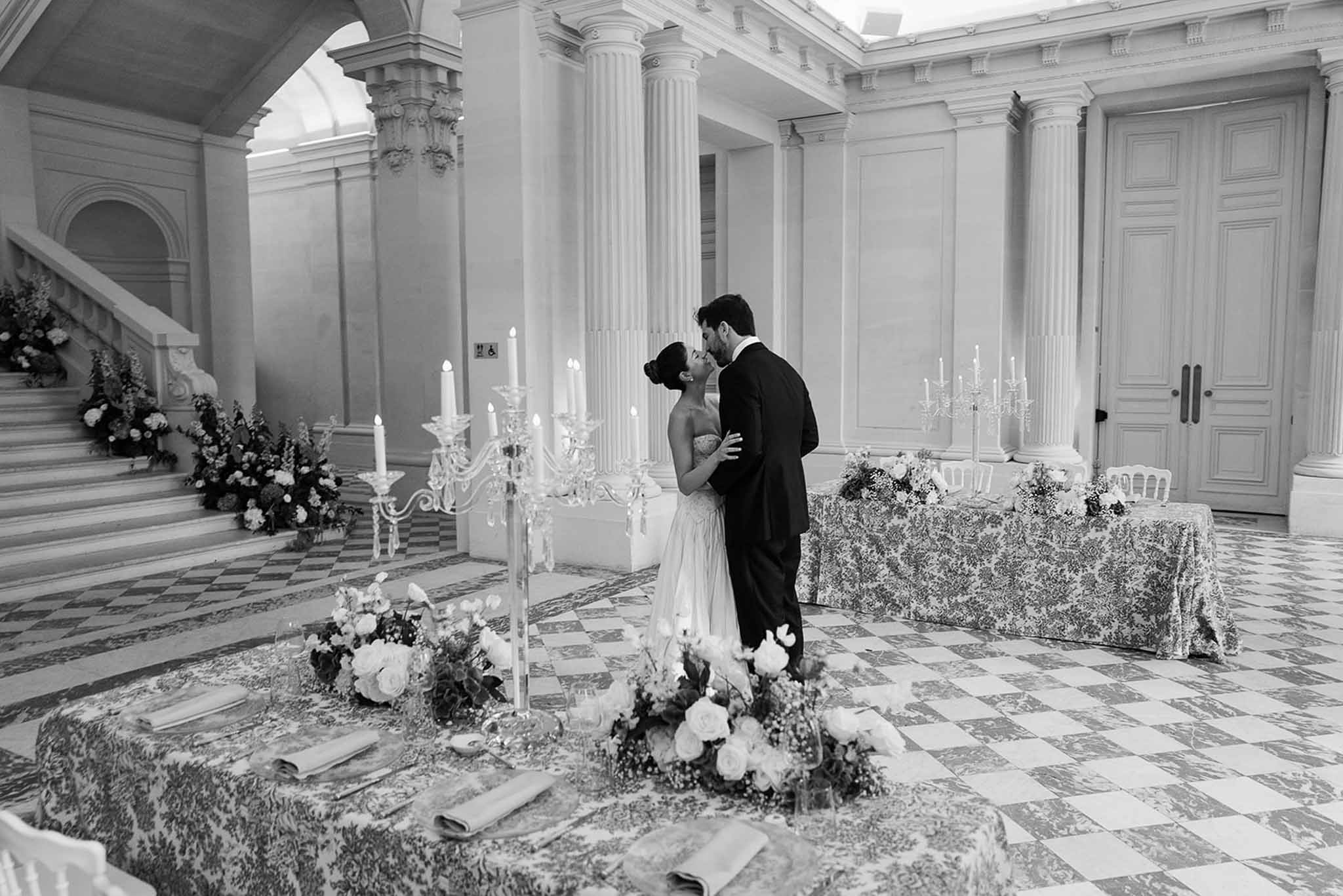
The knock-on effect is scheduling the civil ceremony on the same day as the symbolic ceremony and reception without sufficient time between them. The civil ceremony at the mairie and the celebration at the venue are typically in different locations, often 30 to 60 minutes apart by car. See how this couple brought this to life at Château de Vallery near Paris.
Allow at least 2 hours between the mairie ceremony end time and the venue ceremony start time to account for travel, photographs, outfit changes, and the inevitable delays. Our guide to why a bilingual wedding planner simplifies the mairie process in France breaks this down further. Many destination couples hold the civil ceremony on a separate day entirely, treating it as an intimate family moment and keeping the venue day for the main celebration. According to data from French Wedding Style's planner network, roughly 60 to 70% of international couples schedule the civil and symbolic ceremonies on different days to reduce logistical pressure.
What Are the Witness Requirements?
French law requires a minimum of 2 witnesses and permits a maximum of 4 for a civil marriage ceremony. Witnesses must be at least 18 years old and present valid photo identification. They sign the official register alongside the couple and the maire. The legal requirement that witnesses must understand French is interpreted loosely by most communes: in practice, the maire asks the witnesses to confirm their identity and their understanding of the ceremony, and a basic comprehension is accepted. Witnesses do not need to be French citizens or residents. They can be friends, family members, or any person the couple chooses. Some couples select witnesses who speak French to satisfy the requirement formally. For a deeper look, see our guide to choosing the right region for your wedding ceremony in France. Others rely on the maire's discretion. Confirm the mairie's approach to non-French-speaking witnesses when you submit the dossier de mariage.
Related Articles
- Symbolic ceremonies: what they are and why most couples choose them
- Documents you need to get married in France
- UK couples getting married in France: your legal checklist
- Finding a celebrant or officiant in France
Frequently Asked Questions
How long does a French civil ceremony take?
A civil ceremony at a French mairie takes 10 to 30 minutes depending on the commune. Village mairies typically conduct longer, more personal ceremonies of 20 to 30 minutes. City hôtels de ville may condense the ceremony to 10 to 15 minutes between other scheduled weddings. The legal content (Civil Code readings, consent, register signing) is the same regardless of duration.
Is the civil ceremony at the mairie conducted in English?
The ceremony is conducted entirely in French. There is no legal requirement to provide translation. Some sympathetic maires pause to allow informal translation, but this cannot be relied upon. Couples who do not speak French should arrange for a bilingual friend, wedding planner, or printed bilingual programme to help guests follow the proceedings.
Can you take photos inside the mairie during the ceremony?
Photography policies vary by commune. Some maires welcome professional photographers. Others restrict to family snapshots. A few prohibit all cameras during the ceremony. Confirm the policy directly with the mairie when booking. The mairie steps and courtyard after the ceremony are always available for photographs.
Do most couples hold the civil ceremony on the same day as the venue celebration?
Many destination couples hold the civil ceremony on a separate weekday, treating it as an intimate family moment with close relatives and witnesses only. Others schedule it on the morning of the main wedding day, allowing 2 or more hours between the mairie and venue for travel, photos, and outfit changes. Holding the civil and symbolic ceremonies on separate days reduces logistical pressure and allows each event to have its own atmosphere.
What is a livret de famille?
A livret de famille is a small booklet issued by the mairie after the civil ceremony. It serves as the official French family record, documenting the marriage and any future children. For international couples, it is the primary proof of marriage from the French state. Apostilled copies of the acte de mariage (marriage certificate) can be requested separately from the mairie for use in the couple's home country.
Can you write your own vows for the civil ceremony?
Personal vows are not part of the French civil ceremony. The legal content is fixed by the Civil Code and cannot be altered. Personal vows, readings, and customised rituals belong to the symbolic ceremony at the venue, which has no legal restrictions. This is one reason why most destination couples invest their creative energy in the symbolic ceremony rather than trying to personalise the civil ceremony at the mairie.
For a fully customised ceremony experience, read our guide to symbolic ceremonies in France. To understand the full paperwork process, see our guide to documents you need to get married in France.
Explore Every Guide in This Chapter
Deep-dive into each topic covered above.