
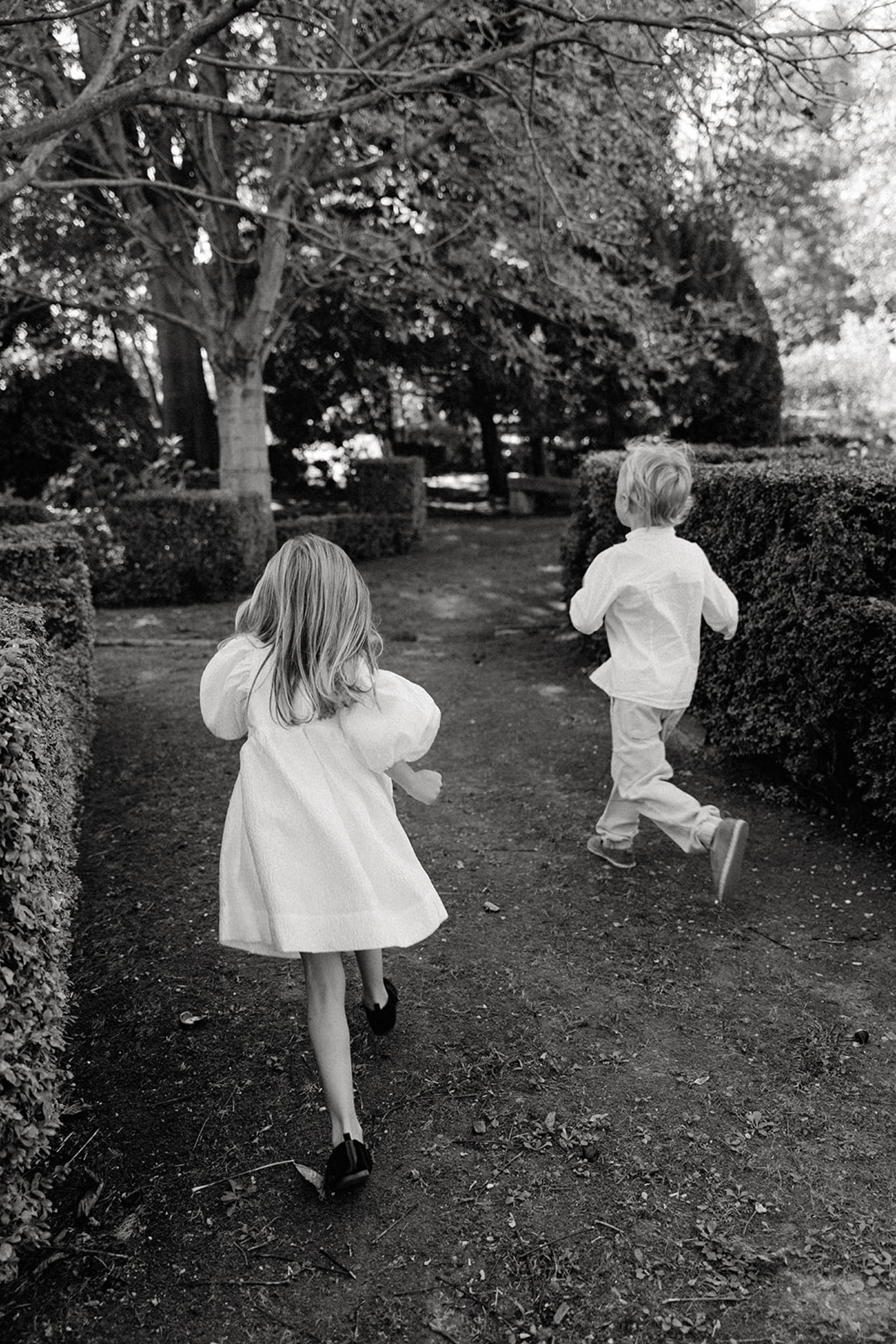
Children at French Weddings
The adults-only wedding is a straightforward concept in the UK and the US. In France, it is more complicated. French culture expects children at celebrations. Excluding children at a destination wedding often means excluding their parents, and for international guests who have arranged travel, accommodation, and childcare at home, that exclusion can feel like a rejection.
The practical question is not whether to include children but how to include them well: what childcare looks like at a rural château, how to manage timing around naps and mealtimes, and what to do about elderly guests who need different considerations entirely. What follows is the cultural context, the logistics, and the mistakes that make both parents and childfree guests uncomfortable. This forms part of planning your destination wedding in France from start to finish. For the full chapter, see our complete guest experience guide.
Key Takeaways
- French wedding culture is broadly child-inclusive. Going adults-only at a French destination wedding is acceptable but carries social weight, particularly with French guests who consider children part of family celebrations.
- Excluding children at a destination wedding effectively excludes their parents. International guests who have already booked flights and accommodation cannot easily arrange childcare in a country they do not live in.
- Professional wedding nanny agencies operate across Provence, the Riviera, and other major wedding regions. Rates run €10 to €15 per hour per carer, with a recommended ratio of one adult per three children under six.
- Many château venues have dedicated children's rooms or gardens that can be set up as a supervised play area during the ceremony and dinner.
- Elderly guests need ground-floor accommodation, shade during outdoor ceremonies, and clear information about terrain (gravel, steps, uneven ground). Plan for their comfort with the same attention you give to children.
What Is the French Attitude to Children at Weddings?
In France, weddings are family occasions. Children attend the ceremony, the apéritif, and the early part of the dinner. They may be taken to bed before the dancing begins, but their presence at the celebration is the default, not the exception. French guests invited to a wedding without their children will notice the absence and may find it surprising. International couples marrying in France navigate two cultural expectations simultaneously. Their own (where adults-only weddings are common and accepted) and the French one (where children are assumed to be welcome). Neither approach is wrong. The important thing is to be clear, kind, and practical in your communication. If your wedding is adults-only, state it directly on the invitation and wedding website. If children are welcome, provide information about what is available for them during the day.
The destination wedding context adds a layer of complexity. Guests flying from the US, UK, or Australia to attend a wedding in France cannot leave their children with a local grandparent for the weekend. For many families, the children come or the family does not. Deciding to go adults-only at a destination wedding means accepting that some families will decline. If those families include siblings, close cousins, or important friends, the calculus changes.
How Do You Handle Childcare at a French Venue?
Professional wedding nanny agencies are the most reliable solution. Companies like SillyBillyS, La Compagnie des Familles, and regional agencies across Provence and the Riviera provide trained childcare professionals who come to your venue on the wedding day. They bring activities, games, and supplies, and they manage children from the apéritif through to bedtime. Rates run €10 to €15 per hour per carer. The recommended ratio is one adult per three children under six, and one adult per six children aged six and older. For a wedding with 8 children (4 under six, 4 older), you need approximately 3 carers for 6 to 8 hours. Total cost: €500 to €900 for the evening, including agency booking fees and activity materials. This is a modest investment that transforms the parent experience. Parents who know their children are supervised, safe, and entertained can relax and enjoy the celebration.
Many château venues have spaces that work well for children: a ground-floor room near the dining area, a walled garden, or a dedicated playroom. Ask your venue coordinator what is available. The ideal setup places children close enough that parents can check in but far enough that the noise does not carry to the ceremony or speeches. Set up the room before guests arrive with age-appropriate activities: colouring, games, films for the evening, cushions and blankets for when the younger ones tire out.
Your wedding planner can coordinate the nanny booking, liaise with the venue about the children's room, and manage the on-the-day logistics. This is a standard service for destination weddings with children.
What Should You Consider for Elderly Guests?
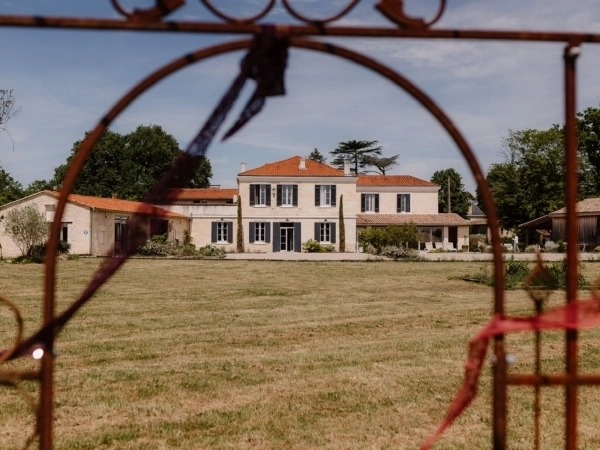
Elderly guests deserve the same attention as children, and they receive it less often. The logistics at a French venue present specific challenges for older guests that couples should anticipate. Terrain. Gravel courtyards, cobblestone paths, uneven garden steps, and long distances between ceremony and reception areas are standard at châteaux and domaines. For guests with mobility issues, communicate the terrain in advance so they can choose appropriate footwear. Identify the most accessible route between key areas and brief a groomsman or family member to assist if needed. Seating and shade. Outdoor ceremonies in summer require shade for elderly guests. Place chairs under a tree canopy, provide parasols, or position elderly guests where shade falls naturally. Standing cocktail hours during the apéritif are tiring for older guests. Ensure there is seated provision with shade, water, and easy access to the food.
Accommodation. Ground-floor rooms are essential for guests with limited mobility. Most châteaux have a mix of ground and upper-floor rooms. Allocate ground-floor rooms to elderly guests when distributing on-site accommodation. For off-site accommodation, recommend properties with ground-floor bedrooms or lift access.
Timeline. A French wedding dinner runs 4 to 5 hours. Not every guest can sustain that pace. Let elderly guests know (gently and privately) that they are welcome to retire whenever they choose. Having their accommodation on site makes this simple. If they are staying off-site, arrange an early shuttle (10pm or 11pm) in addition to the late shuttle after dancing.
What Mistakes Do Couples Make?
The biggest mistake is ambiguity. Not specifying whether children are welcome and leaving parents to guess from the invitation wording. Be direct. "Adults-only celebration" on the wedding website is clear. "We welcome children and have arranged childcare during the evening" is equally clear. The grey zone between these two positions causes anxiety, resentment, and confused RSVPs. Inviting some children but not others (siblings' children but not friends' children, for example) creates visible unfairness that guests discuss among themselves. If you include children, include all children. If you go adults-only, apply it consistently. The one exception is babies under 12 months, who are often exempt from adults-only rules at destination weddings because they are nursing and cannot be separated from their mothers. Failing to plan the children's dinner timing is a practical error. Children under eight cannot sit through a 5-hour French wedding dinner. They need to eat earlier (6 to 6:30pm during the apéritif), and the nanny team needs to know when and where that meal happens.
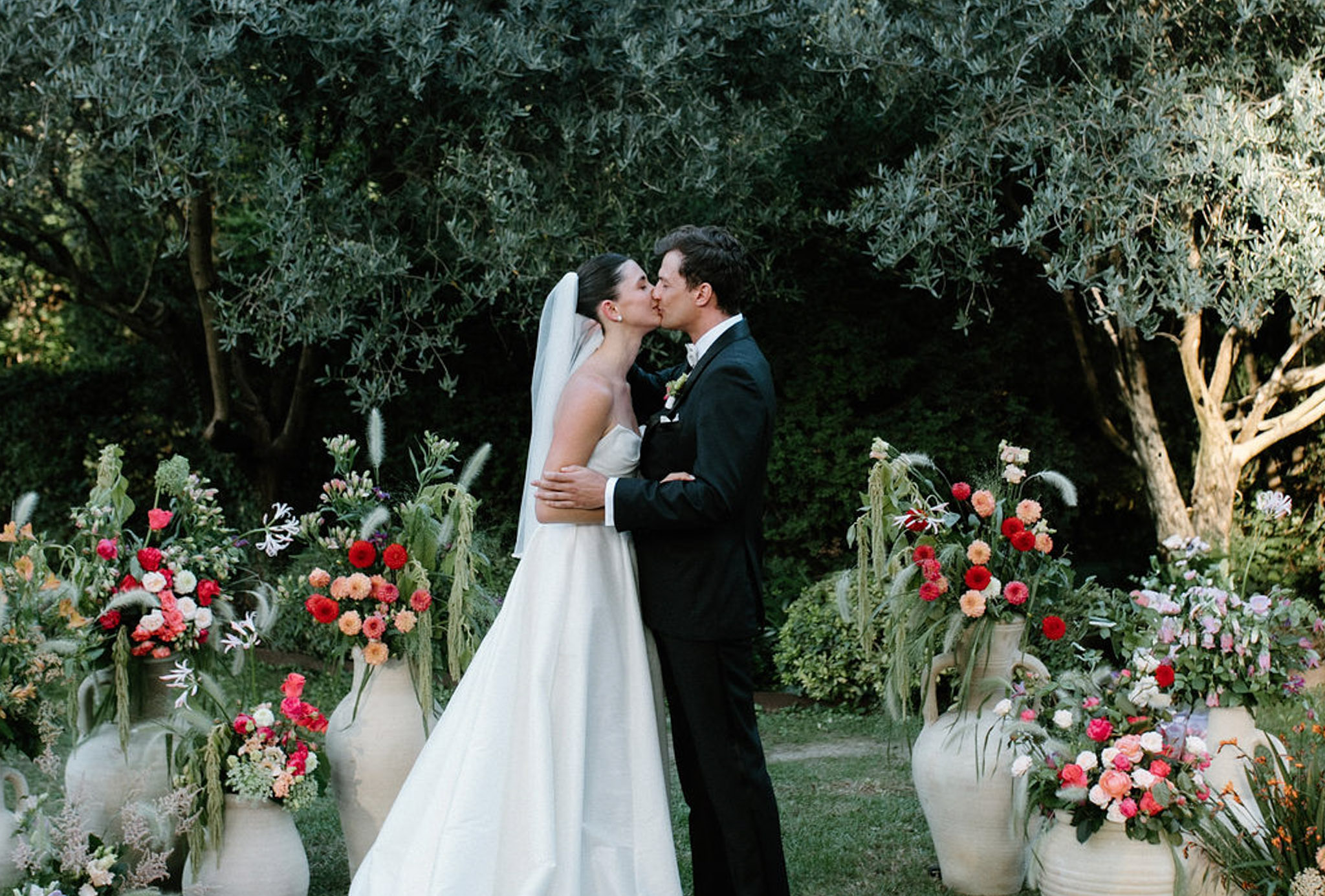
Neglecting to brief the nanny team on the venue layout, any allergies, where parents will be sitting, and what time the parents expect children to sleep is the final common oversight. A 30-minute briefing call a week before the wedding prevents confusion on the day. See how Henry and Olivia brought this to life at their countryside venue in rural France.
Related Articles
- Guest experience at a French wedding: the complete guide
- Guest activities between events
- Guest accommodation options
- Structuring a multi-day wedding weekend
- Traditional French wedding menu
- French seating plans and table etiquette
- Château wedding venues in France
- Wedding venues with accommodation
- Browse all wedding venues in France
Frequently Asked Questions
How do we word "adults-only" on the invitation without offending anyone?
State it factually on the wedding website and on the RSVP card. "We have chosen to celebrate with an adults-only evening" or "Our wedding is an adult celebration. We hope you understand and can arrange care for the little ones at home." Avoid apologetic language. A direct, warm statement is better received than a paragraph of justification. Follow up personally with any guests you think might be disappointed.
At what age should children be included in the headcount?
Children aged 3 and above count as a guest for seating, food, and nanny ratio purposes. Babies under 12 months typically do not require a separate seat or meal but should be accounted for in the childcare plan if the parents want nanny support. Children aged 1 to 2 are in a grey zone. Confirm with parents whether they need a high chair and a small plate.
Can we ask parents to contribute to the childcare cost?
Yes, if you frame it as an option rather than an obligation. "We have arranged professional childcare during the evening. If you would like your children to be included, the cost is €X per child." Some couples cover the cost as a hosting gesture. Others split it among the parents. Both approaches are acceptable. Communicate the arrangement clearly and early.
Explore Every Guide in This Chapter
Deep-dive into each topic covered above.