
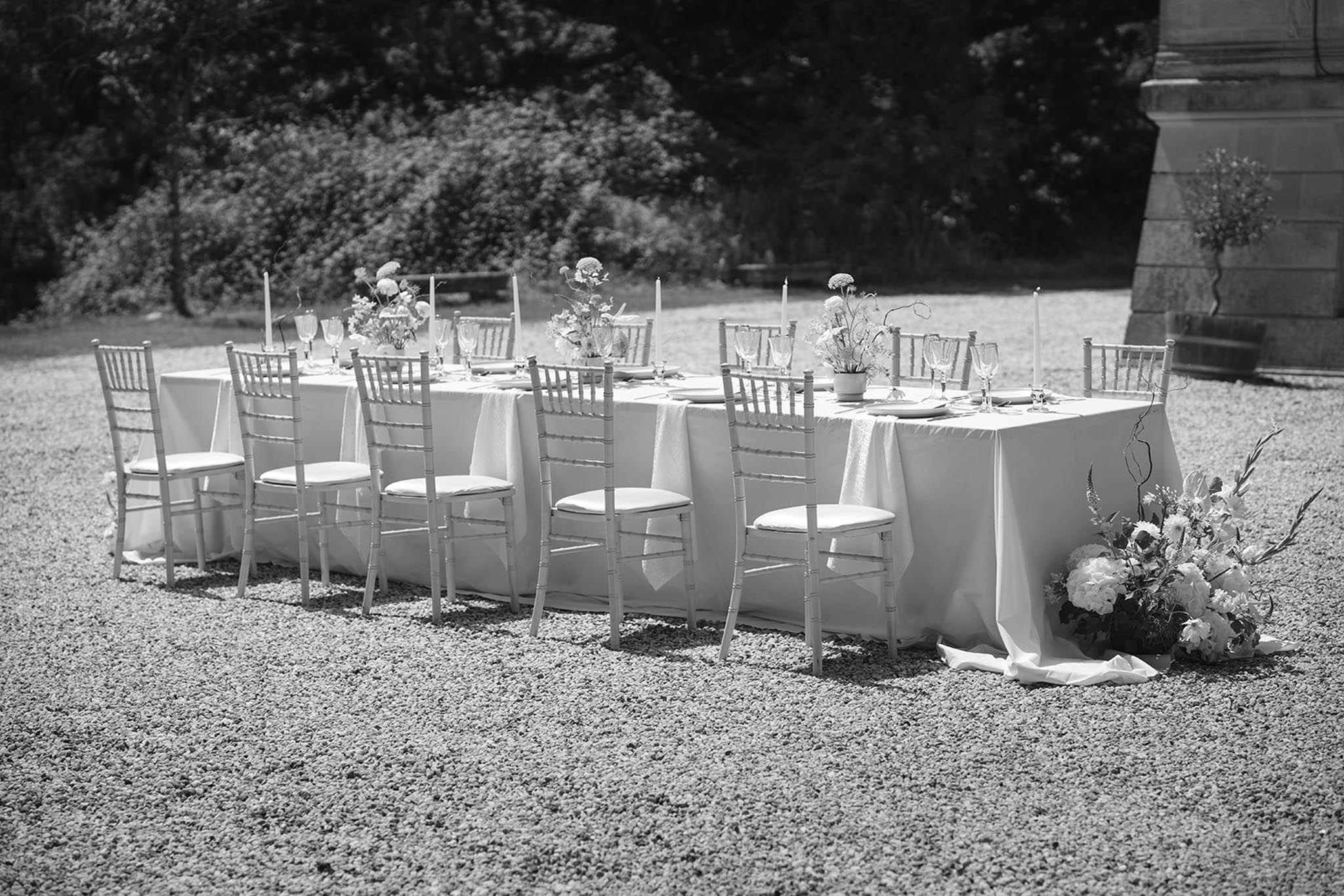
A château dining room is not a blank marquee. It has proportions, stone walls, ceiling height, window placement, and centuries of character baked into every surface. The table décor that works in a canvas tent or a modern loft will not work here. The scale is different.
The light is different. The room has opinions. The couples who produce the most striking table designs at French châteaux are the ones who listen to those opinions rather than fighting them. The practical styling decisions that château dining rooms demand, from table layout and centrepiece height to linen choices and the fire regulations that govern what you can and cannot light. For broader styling guidance, see our complete styling and design chapter. For a broader view of every step involved, see the full planning guide for destination weddings in France.
Key Takeaways
- Château dining rooms with ceilings above 4 metres need centrepieces with vertical height. Low arrangements disappear in the space. Tall candelabra, elevated floral structures, or suspended installations fill the visual gap between table and ceiling.
- Long banquet tables suit narrow rectangular rooms. Round tables suit square or wide rooms. The room shape dictates the layout, not the couple's preference for one format over the other.
- ERP (Établissement Recevant du Public) fire safety regulations restrict open flames at many classified historic properties. Candelabra with real candles may require a written risk assessment and venue approval. LED alternatives exist that photograph convincingly.
- French traiteurs supply basic white linen as standard. Premium linen (natural linen, coloured runners, textured napkins) is an upgrade charged per piece or sourced from a separate rental company.
How Do You Style a Table for a Château Dining Room?
Start with what the room gives you. Walk into a château dining room and look up, not down. Note the ceiling height. Note the windows: where they sit, how much light enters, and at what angle. Note the wall colour: is the stone bare, plastered white, panelled in wood? Note the floor: parquet, flagstone, tile. These fixed elements define your design parameters more than any mood board. The overriding common styling mistake in château dining rooms is under-scaling. Couples design a table arrangement that would look proportionate in a 3-metre-ceiling restaurant and then place it in a room with 5-metre vaulted ceilings. The arrangement vanishes. The table looks bare despite holding flowers, candles, linen, glassware, and place settings. The ceiling soars overhead with nothing connecting it to the dining surface below. The room feels empty even when it is full of people.
The correction is vertical scale. Something needs to bridge the gap between table level and ceiling level. This can be a tall candelabra (80cm to 120cm above the table surface), elevated floral arrangements on stands, hanging installations suspended from beams or ceiling hooks, or a combination. The specific choice depends on the room and the venue's structural rules, but the principle is constant: high ceilings demand height.
For couples planning their wedding at a French château, ask the venue coordinator specifically: "What is the ceiling height in the dining room, and what attachment points exist for suspended installations?" Some châteaux have beam structures that support hanging florals or chandeliers. Others have plaster ceilings with no load-bearing points. This determines whether your centrepiece rises from the table or descends from above.
Long Banquet Tables or Round: What Does the Room Dictate?
The room decides. Not the Pinterest board. Long banquet tables (typically 2.4 metres by 76cm, seating 8 to 12 per table) work in narrow rectangular rooms, vaulted galleries, stone corridors, and covered terraces where the architecture runs in a line. They create a visual flow that follows the room's proportions. A single long table for 60 to 80 guests running the full length of a château orangery is one of the most photographed layouts in French wedding design. It looks intentional because it responds to the room. Round tables (typically 150cm to 180cm diameter, seating 8 to 10) work in square or wide rooms, ballrooms, and outdoor courtyards where the space does not have a dominant directional axis. They allow conversation across the table, which long tables do not (guests at long tables can only speak to the three people either side of them). For guest counts above 100, round tables are often the only practical option because long tables require too much linear floor space.
Scroll →
| Layout | Best Room Shape | Guest Range | Centrepiece Approach |
|---|---|---|---|
| Single long table | Narrow gallery, orangery, stone corridor | 30 to 80 | Running garland, low repeated arrangements, or elevated candelabra at intervals |
| Multiple long tables (parallel) | Wide rectangular room | 60 to 150 | Identical repeated arrangements per table. Consistency is critical. |
| Round tables | Square room, ballroom, courtyard | 40 to 200+ | Central arrangement per table, scaled to table diameter. 25 to 35cm diameter for a 150cm table. |
| Mixed (one long head table + round guest tables) | Rectangular room with distinct head area | 60 to 150 | Head table: elaborate running design. Guest tables: simpler complementary rounds. |
Ask your traiteur and your venue coordinator which layout they recommend for the specific dining room. Both have hosted dozens of weddings in that space and know what works. A traiteur who says "round tables work better for service in this room" is not being unhelpful. They are telling you that the room's doorways, service corridors, and table spacing make long tables impractical for efficient food delivery. Service flow matters when your guests are eating five courses over three hours.
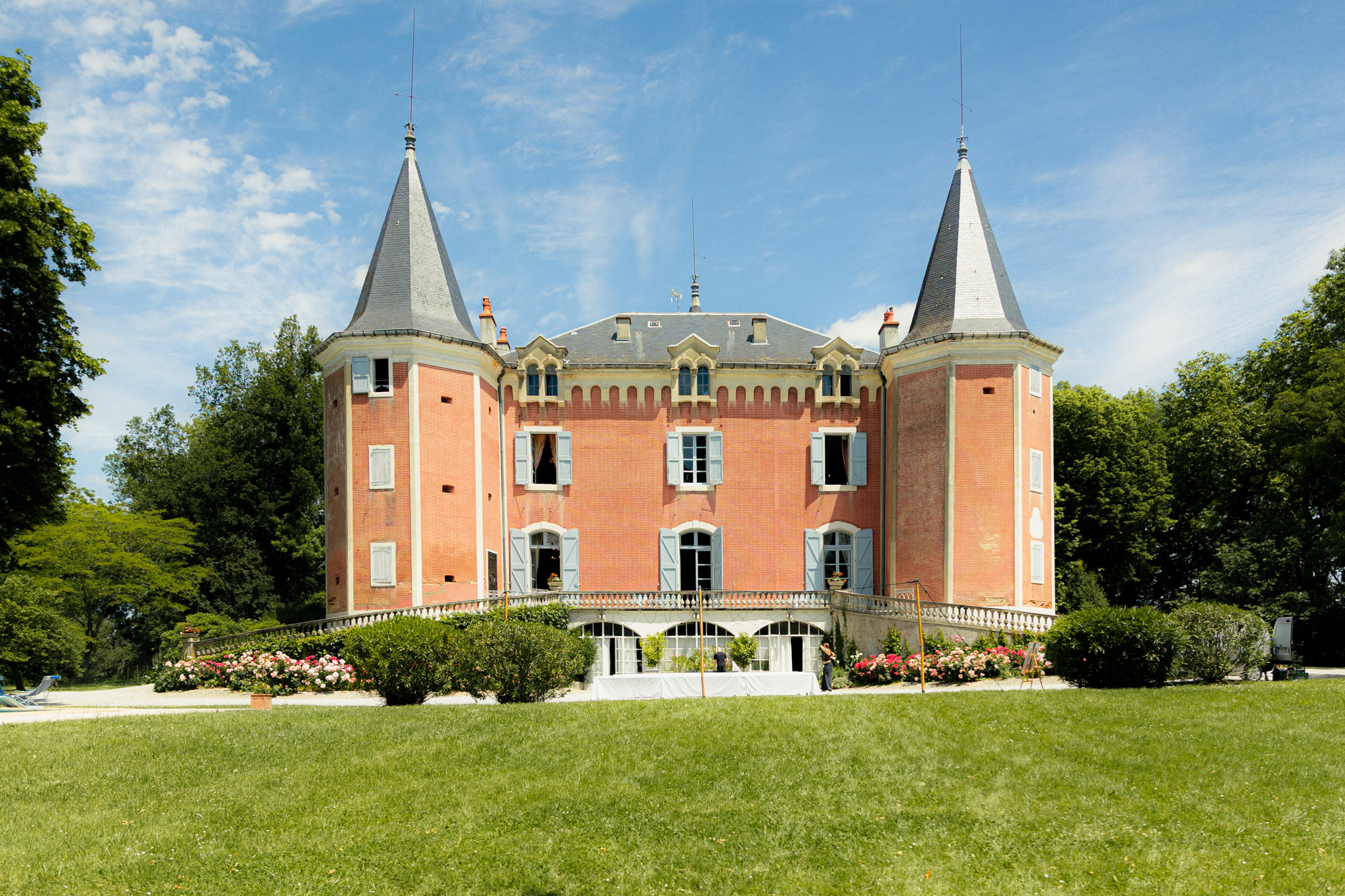
How Do You Scale Centrepieces for High-Ceilinged Rooms?
The relationship between centrepiece height and ceiling height is roughly this: your centrepiece should occupy between 15 and 25% of the vertical distance between table surface and ceiling. In a room with a 5-metre ceiling (roughly 4.2 metres above a standard 76cm table), that means a centrepiece or elevated element reaching 60cm to 100cm above the table surface. For long tables, the most effective approach is a running low design (garland, scattered stems, votives along the centre) punctuated by tall elements at regular intervals. Every 1.5 to 2 metres, a candelabra, a tall floral stand, or a suspended element breaks the horizontal line and connects to the ceiling. This rhythm creates visual interest without obstructing sightlines. For round tables, a single central arrangement needs to be either low enough to see over (under 30cm) or tall enough to see under (above 60cm on a clear stem or elevated stand). The dead zone between 30cm and 60cm blocks eye contact across the table without providing the vertical drama that justifies the obstruction.
Suspended installations bypass the scaling problem entirely. A garland, a chandelier-style arrangement, or a cloud of dried flowers hung directly above the table fills the ceiling void, keeps the table surface clear for glassware and place settings, and creates the most dramatic photographic compositions available in château dining. The cost is higher (installation labour, rigging, suspension hardware) and the venue must permit ceiling attachments. Many châteaux with exposed beam structures will allow suspended elements at agreed anchor points. Plaster or painted ceilings typically do not.
Your florist will need to visit the dining room before proposing a centrepiece design. Photographs do not convey ceiling height accurately. A site visit allows them to measure the vertical distance, assess light levels (stone dining rooms are often darker than expected), identify suspension points, and plan installation access. For couples exploring exclusive-use château properties across France, the site visit typically happens during the venue planning day, six to nine months before the wedding.
What Are the French Place Setting Conventions?
French table setting follows conventions that differ from British and American practice. Your traiteur will set the table according to these rules unless you specifically request otherwise. Understanding them helps you design a place setting that looks intentionally French rather than accidentally different. Forks face down. In British and American settings, forks sit tines up. In French settings, forks sit tines down. The historical reason: French silversmith marks appear on the back of the fork, visible only when the fork faces down. This is also why French cutlery often has more elaborate back-of-handle engraving. Multiple glasses, positioned right. A standard French wedding place setting includes three glasses minimum: water (largest, placed furthest left of the glass cluster), red wine (medium, centre), and white wine or Champagne (smallest, furthest right). For a five-course wedding dinner, you may see four or five glasses. They align in a diagonal row from upper left to lower right of the place setting.
Bread plate position. The bread plate sits to the upper left of the place setting, at roughly 10 o'clock from the main plate. In casual French dining, bread goes directly on the tablecloth beside the plate with no bread plate at all. For formal château dining, the plate is standard.
Dessert cutlery above the plate. The dessert fork and spoon sit horizontally above the main plate, not alongside the dinner cutlery. Fork facing right, spoon facing left, with the spoon above the fork. This keeps the side profile of the place setting clean and narrow.
The visual impact: a French place setting reads as precise and slightly formal without being rigid. It creates more vertical elements on the table (the glass cluster rises higher than a single wine glass) and a wider footprint per cover (approximately 60cm), which affects how many guests you seat per table metre. Your traiteur's recommended seating count for any given table already accounts for this spacing.
Are Candelabra and Open Flames Allowed at Historic Venues?
This is the most practically important question in château table design, and the answer varies by venue. France classifies historic properties under ERP (Établissement Recevant du Public) regulations. Any venue that hosts public events must comply with fire safety rules that cover maximum occupancy, emergency exits, fire detection, and the use of open flames. Candles, candelabra, and any other open flame on or near a dining table fall under these rules. In practice, you will encounter three scenarios: Candles permitted with conditions. Many châteaux allow table candles provided they are contained (in glass votives, hurricane lanterns, or on candelabra with drip trays), not placed near fabric or dried floral material, and not left unattended. The venue may require a written risk assessment from your planner or event coordinator. Tapered candles on candelabra are more commonly permitted than pillar candles on bare surfaces because the elevated position reduces contact risk.
Candles restricted to specific areas. Some classified monuments allow candles in the outdoor courtyard or terrace but not inside the historic building. The interior has protected surfaces (painted ceilings, wooden panelling, tapestries) that insurance or conservation authorities do not permit near open flame. Your evening dinner design may need two approaches: real flame outdoors for the cocktail hour, LED alternatives indoors for dinner.
No open flames permitted. A small number of the most protected monuments (monuments historiques with the highest conservation classification) prohibit open flames entirely. This is rare for wedding venues but does occur. LED candles and electric lighting are the only options.
LED candle technology as of 2026 has improved substantially. The best battery-powered LED tapers (brands like Uyuni Lighting and Luminara) produce a warm, flickering light that photographs convincingly in evening coverage. At table level, in the warm light of a stone dining room, the difference between LED and real flame in photographs is minimal. Your guests will know. Your gallery may not show it.
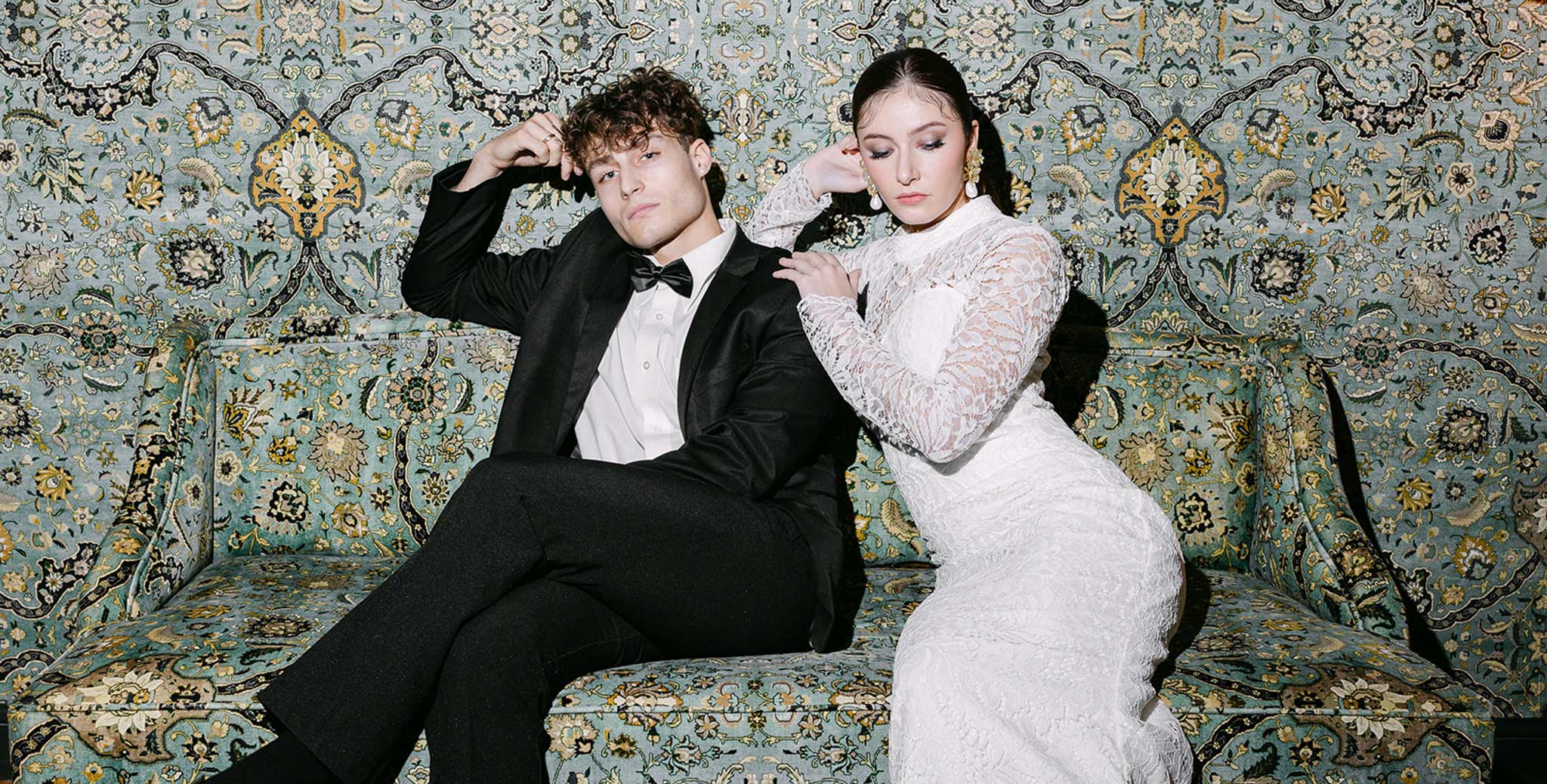
Linen is the final budget variable. Most French traiteurs include basic white cotton tablecloths and white cotton napkins as part of their service package. This is functional and clean but plain. See how this couple brought this to life at Château de Courtomer in Normandy.
- Upgrading to natural linen (textured, slightly irregular, in cream, sand, or soft grey) costs approximately €5 to €12 per napkin and €20 to €50 per tablecloth from a specialist rental company (société de location de matériel événementiel)
- For a 100-guest wedding with 12 tables, a full linen upgrade adds €600 to €1,200 to the budget
- It is one of the highest-impact, lowest-effort upgrades available: swapping white cotton for natural linen changes the entire register of the table from catering to design
- Coloured runners (velvet, silk, gauze) layered over a base cloth add further warmth for €8 to €15 per table
- For more on how French venue pricing and traiteur packages work, see our detailed cost guide
Related Articles
- Styling and design for a French wedding: the complete guide
- French wedding aesthetics: what makes them different
- Colour palettes for French wedding venues
- Style guide: classic French weddings
- Lighting guide: fairy lights, candles, and lanterns
- Wedding arch and ceremony backdrops at French venues
- Choosing a wedding florist in France
- Choosing a wedding caterer in France
- How French venue pricing works
- Château wedding venues across France
Frequently Asked Questions
How much does it cost to style tables at a French château wedding?
Table styling costs layer on top of catering. Basic linen is included with the traiteur. Upgraded linen adds €600 to €1,200 for 100 guests. Table flowers range from €80 to €250 per table depending on complexity (low garland versus elevated candelabra arrangement). Candle and votive hire runs €5 to €15 per table. Charger plates, coloured glassware, and non-standard cutlery add €3 to €8 per cover from a rental company. A fully styled 12-table reception with premium linen, elevated florals, and coordinated accessories typically adds €3,000 to €5,500 beyond the traiteur's base package.
Can we bring our own décor items from the UK or US?
Yes, and many couples do for personal items: family candlesticks, heirloom silverware, custom signage, personalised favours. For bulk items (votives, charger plates, table numbers), sourcing from a French rental company is usually more cost-effective than shipping internationally. Customs clearance for temporary imports into France is straightforward for personal wedding items, but shipping fragile items (glassware, ceramics) adds breakage risk and cost. Couples working with a French wedding planner can coordinate local sourcing to match their vision.
Should the head table be styled differently from guest tables?
In French wedding tradition, the table d'honneur (head table) is distinguished by placement and occasionally by more elaborate florals, but not by a fundamentally different design language. The flowers are the same species, the linen is the same fabric, the candles match. What changes is density: the head table carries slightly more of everything. More blooms per metre, more candles, perhaps a fuller garland. The distinction is proportion, not contrast. A head table that looks like it belongs to a different wedding from the guest tables creates a visual disconnect that disrupts the room.
What if the château dining room is very dark?
Stone dining rooms with small windows are common in older châteaux, and they present a specific design challenge. The solution is light-toned linen (cream, soft white, champagne) to reflect available light, multiple candle or LED light points per table to create warm pools, and pale-coloured flowers rather than deep tones that absorb light. Mirror or metallic charger plates bounce candlelight upward. Avoid dark linen, dark flowers, and heavy foliage in low-light rooms. They absorb what little light exists and make the room feel smaller. Discuss the room's natural light level with your florist and stylist before finalising the palette.
How do I coordinate with the traiteur on table layout?
The traiteur manages table layout because they are responsible for service logistics: plate delivery routes, drink service flow, and clearing paths between courses. Contact the traiteur directly (your planner can facilitate) with your preferred layout, and they will confirm whether it works for service in that specific room. Provide your guest count, any accessibility requirements, and your preference for long or round tables. The traiteur will return with a floor plan that balances your aesthetic preference against practical service needs. Accept their guidance on spacing. A table that is too close to the wall or too near a service door will create bottlenecks during a five-course dinner.
Explore Every Guide in This Chapter
Deep-dive into each topic covered above.