

The venue sets the stage, but your vendor team brings the day to life. A typical destination wedding in France involves 8 to 12 professionals working across two languages, each with their own booking timeline, contract terms, and pricing structure. The order in which you hire them, and whether you understand how French contracts differ from what British and American couples expect, determines whether you arrive at the wedding weekend with confidence or last-minute surprises. This chapter covers the full hiring sequence, what each vendor costs in 2026, the contract terms that catch international couples, and the vendor categories that shape the day most directly. For wedding planner selection, costs, and contracts, see our dedicated chapter on hiring a destination wedding planner. It is part of our complete guide to planning a wedding in France.
When to Book Each Vendor
The order matters more in France than in most markets, because the vendor ecosystem is interconnected. Your planner recommends your traiteur. Your venue determines your catering model. Your traiteur determines whether you need a separate rental company. Hiring out of sequence means paying twice or compromising on quality.
Two timing traps are worth noting. First, French vendor calendars fill from the top down: the best planner in Provence does not hold Saturdays in June and July past October of the previous year. If you are planning a peak-season wedding and start your vendor search less than twelve months out, your top choices in photography, catering, and floristry may already be booked. Second, venue contracts in France sometimes include an exclusivity clause for catering. Signing a venue before checking whether you can bring your own traiteur can lock you into a single provider with no competitive leverage on price.
| Timeline | Vendor | Why This Sequence |
|---|---|---|
| 18 to 14 months | Wedding planner | Foundation hire. Informs every decision that follows, including the venue itself. |
| 16 to 12 months | Venue + photographer | Most supply-constrained categories. Peak-season weekends in Provence and the Riviera fill 18 months ahead. |
| 12 to 9 months | Traiteur + florist | Venue catering model (in-house, approved list, or open choice) shapes this decision. Good florists take limited weekend bookings. |
| 9 to 6 months | Videographer, band/DJ, celebrant, hair and makeup | Peak-season dates still fill early for sought-after performers and bilingual celebrants. |
| 6 to 3 months | Rentals, transport, specialist suppliers | Tables, chairs, linens, lighting, shuttle buses, generators. Your planner or traiteur typically coordinates these. |
What Each Vendor Costs in 2026
Pricing follows regional patterns. Provence, the Cote d'Azur, and Paris sit at the top of every category. The Dordogne, South-West France, and Normandy offer the strongest value. All figures below are TTC (including TVA). For an 80-guest wedding in the mid-range tier, combined vendor spend sits between €30,000 and €50,000 before the venue fee.
Scroll →
| Vendor Category | Entry Level | Mid-Range | Premium |
|---|---|---|---|
| Wedding planner (full service) | €3,000 to €5,000 | €5,000 to €10,000 | €10,000 to €18,000 |
| Photographer (full day) | €2,000 to €3,000 | €3,000 to €5,500 | €6,000 to €12,000+ |
| Videographer (full day) | €2,500 to €3,000 | €3,000 to €5,500 | €5,500 to €10,000+ |
| Traiteur (per head, food + service) | €150 to €200 | €200 to €280 | €280 to €400+ |
| Florist (full scheme) | €4,000 to €6,000 | €6,000 to €10,000 | €10,000 to €25,000+ |
| DJ | €1,500 to €2,500 | €2,500 to €4,000 | €4,000 to €5,000 |
| Live band (5 to 8 musicians) | €3,000 to €5,000 | €5,000 to €8,000 | €8,000 to €12,000+ |
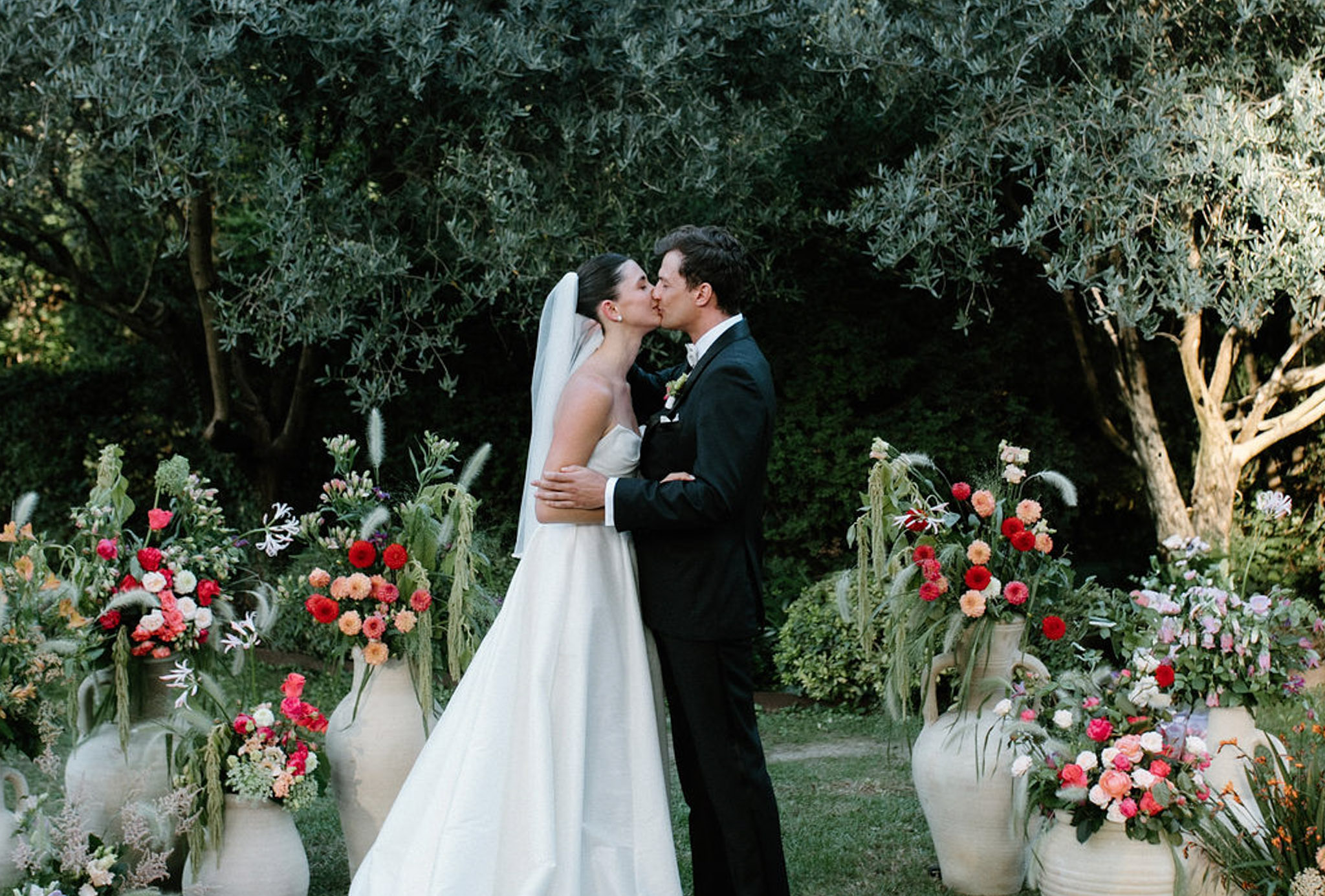
One figure that catches international couples: floristry installation labour adds 30 to 50% on top of the flower cost. A €10,000 floral design becomes €13,000 to €15,000 once scaffolding, rigging, and breakdown are included. Ask every florist to separate stem cost from installation cost in their proposal.
A few pricing patterns are specific to the French market. Traiteur quotes nearly always include staff (servers, bar staff, kitchen crew) and equipment hire (plates, glassware, cutlery). In the UK or US, those are separate line items. This makes direct price comparisons misleading unless you strip out the service component. Photographers working in the French destination wedding market increasingly offer two-day packages, reflecting the multi-day celebration format common at rural properties where guests stay on-site from Friday evening through Sunday brunch. A two-day package typically runs 30 to 50% more than a single-day booking, not double. Finally, DJ prices in France include SACEM licensing (the French music rights fee), which costs €150 to €400 depending on guest count. This fee is mandatory for any public performance of recorded music and is sometimes itemised separately on the invoice.
French Contracts: What International Couples Miss
French vendor contracts are governed by the Code civil and three features have no equivalent in Anglo-Saxon contract law.
Arrhes versus acompte. In English, "deposit" is a single concept. In French law, it is two. An arrhes allows either party to walk away: you lose the deposit if you cancel, the vendor returns double if they cancel. An acompte is a binding partial payment where neither party can exit without owing the full contract amount. Under Article 1590 of the Code civil, any deposit is treated as arrhes by default unless the contract explicitly states acompte. The practical difference is enormous.
TVA (taxe sur la valeur ajoutee). French VAT applies at 20% on goods (flowers, rentals, decor) and on planning and coordination services; 10% on photography and catering services. The critical question: is the quoted figure HT (excluding VAT) or TTC (including VAT)? If four or five vendors quote in HT and you budget in TTC, the cumulative gap across your full team can reach €3,000 to €6,000.
Payment schedules. French vendors typically split payments into three instalments: 30 to 50% at signing, 30 to 40% at three months before, and the balance two to four weeks before the day. This front-loaded schedule means 60 to 90% of vendor costs are paid before the wedding happens. Budget your cash flow accordingly, especially when converting from GBP or USD across multiple payment dates.

“The biggest contract mistake I see from international couples is not checking whether their deposit is arrhes or acompte. They assume a 30% deposit means they can cancel and lose 30%. With an acompte, they owe the full contract amount. I always tell my couples: read the deposit clause first, everything else second.”
Where the Language Gap Hits Hardest
English fluency varies by vendor category and by region. Planners, photographers, celebrants, and videographers who market to international couples are near-universally fluent in the destination hotspots of Provence, Paris, the Riviera, and the Loire Valley.
The gap appears in vendor categories that serve primarily French domestic clients. Traiteurs are the most commonly cited challenge: menus, contracts, tasting sessions, and day-of coordination all happen in French. Florists present a similar gap. Describing a colour palette and reviewing mood boards requires nuanced communication that basic conversational English does not support. Rental companies operate almost exclusively in French.
Regional variation matters. Provence, Paris, and the Riviera have the deepest pools of bilingual vendors. The Dordogne benefits from a large British expat community. Normandy, Brittany, and Languedoc have fewer English-speaking options across most categories. This is one of the strongest reasons to hire a bilingual planner: they become the communication layer between you and every vendor who operates primarily in French.
Even with bilingual vendors, expect contracts and invoices to arrive in French. This is standard practice, not a red flag. Your planner should review every contract with you before signing. If you do not have a planner, consider having a bilingual friend or a professional translator review the key clauses (deposit type, cancellation terms, payment schedule, and liability). Translation costs for a vendor contract are typically €80 to €150, a small investment relative to the sums involved.
Frequently Asked Questions
The five questions below cover the practical details that come up most often when international couples begin assembling their vendor team. For deeper answers on contracts, deposits, and vendor-by-vendor pricing, follow the individual chapter guides listed below.
The Six Guides in This Chapter
- Wedding Photographer in France: Costs and Booking
- French Wedding Caterer (Traiteur): Costs and Models
- French Wedding Florist: Costs and Seasonal Guide
- French Wedding Contracts and Deposits Explained
- Wedding Videographer in France: Costs and Drone Rules
- French Wedding Bands and DJs: Costs and Curfews
Explore Every Guide in This Chapter
Deep-dive into each topic covered above.