
How to Brief Your Wedding Planner
The first real conversation with your wedding planner sets the direction for everything that follows. Couples who arrive at that call with a clear, organized brief get better recommendations, faster progress, and fewer miscommunications over the 12 to 18 months of planning ahead. Couples who show up with a Pinterest board and "we just want something beautiful in the South of France" waste the first month going back and forth on basics that could have been settled in advance. This guide covers exactly what to prepare, how to structure it, and includes a brief template you can copy and fill in before your first consultation. It is part of our guide to hiring a destination wedding planner, within our complete planning series for destination weddings in France.
Key Takeaways
- A one-page brief covering your budget range, guest count, date flexibility, and three to five priorities saves weeks of back-and-forth with your planner.
- Be honest about your budget from the start. Planners cannot help you allocate wisely if they do not know the real number.
- Include your must-haves and deal-breakers. These constraints shape the venue shortlist and vendor recommendations more than any mood board.
- Cultural requirements, dietary needs, and family dynamics belong in the brief. They affect venue selection, catering, and timeline.
- A good brief is specific where it matters and open where you want guidance. You do not need answers for everything.
Why a Brief Matters More for Destination Weddings
When you are planning a wedding in your home country, there is room for ambiguity. Your planner can fill in gaps through shared cultural context, local knowledge, and face-to-face meetings. A destination wedding in France has none of that cushion. Your planner may be working across a time zone difference, coordinating vendors who speak a different language, and managing logistics in a region you have visited once or not at all.
A clear brief eliminates the most common source of early friction: misaligned expectations. When a planner knows your budget range, guest count, regional preference, and non-negotiables from the outset, they can immediately filter their venue shortlist and vendor recommendations. Without that information, the first three months of planning become an expensive guessing game.
This is not about being rigid. The best planners will push back on assumptions, suggest alternatives you had not considered, and help you refine your vision. But they need a starting point. Your brief provides that.
What to Include in Your Planner Brief
Your Vision: Three Words and One Paragraph
Skip the 40-page Pinterest board. Start with three words that describe the feeling you want your wedding to have. Not the aesthetic (that comes later), but the emotional experience. "Relaxed, intimate, French" is more useful than "rustic chic with a touch of Provençal elegance." Then write one paragraph describing your ideal wedding weekend. Where are you? What are your guests doing? What does the evening feel like? This gives your planner more to work with than any mood board.
Budget: The Real Number
This is where most couples hold back, and it costs them time and money. Planners need to know your actual budget range, not a lowball number you hope will magically work. A planner cannot recommend a €150-per-head traiteur if they think your entire catering budget is €8,000. State your range honestly: "Our total budget is €40,000 to €55,000 including planner fees, or €60,000 to €75,000 if we can stretch for the right venue." If you are unsure what things cost in France, say so. That is exactly what your planner is for. For a realistic breakdown of what weddings cost across different regions, see our guide to planner costs by region.
Guest Count and Profile
The number matters, but the profile matters more. Tell your planner:
- Estimated guest count (give a range: 80 to 100, not "around 100")
- Where guests are travelling from (UK, US, Australia, multiple countries)
- Age range and mobility considerations (elderly grandparents, young children)
- Any guests who will need accommodation arranged for them
- Whether you expect a multi-day celebration or a single-day event
A wedding for 60 guests, all travelling from London, is a different planning challenge than 100 guests arriving from five countries over three days. Your planner needs to know this upfront.
Date and Season Flexibility
Tell your planner your preferred date, any fixed constraints (school holidays, work commitments, religious dates), and how flexible you are. If you are set on a specific Saturday in July, say so. If any weekend between May and October works, say that too. Flexibility on dates opens up more venue options and can significantly reduce costs, particularly outside peak season (late June through early September).
Venue Preferences and Constraints
You do not need to have chosen a venue. But your planner needs to know your preferences so they can build a shortlist. Include:
- Region preference (Provence, Loire Valley, Bordeaux, Paris, open to suggestions)
- Venue type (château, mas, bastide, vineyard, boutique hotel, private estate)
- Indoor, outdoor, or both (and your comfort level with weather risk)
- On-site accommodation requirements (how many guests need to sleep at the venue)
- Accessibility from the nearest airport and travel time for guests
- Exclusive use (most destination couples want this, but confirm)
If you have already visited or shortlisted venues, include those. If you have ruled out specific types (no hotels, no city venues), say so. Every constraint narrows the search in a useful way. Browse our selection of destination wedding venues for inspiration before your first call.
Must-Haves and Deal-Breakers
This is the most underrated section of any wedding brief, and the one that saves the most time. Must-haves are the things you will not compromise on. Deal-breakers are the things that would cause you to reject a venue or vendor regardless of other qualities.
Examples of must-haves:
- "We need an outdoor ceremony option with a backup plan for rain"
- "Live music until at least 2am"
- "A venue that accommodates at least 20 guests on-site"
- "Kosher or halal catering options from the traiteur"
Examples of deal-breakers:
- "No venue with a midnight noise curfew"
- "No Saturday-only packages where we cannot arrive Friday"
- "No venues that require us to use their in-house caterer exclusively"
Be honest. These constraints are more useful than aesthetic preferences because they immediately eliminate unsuitable options.
Cultural and Religious Requirements
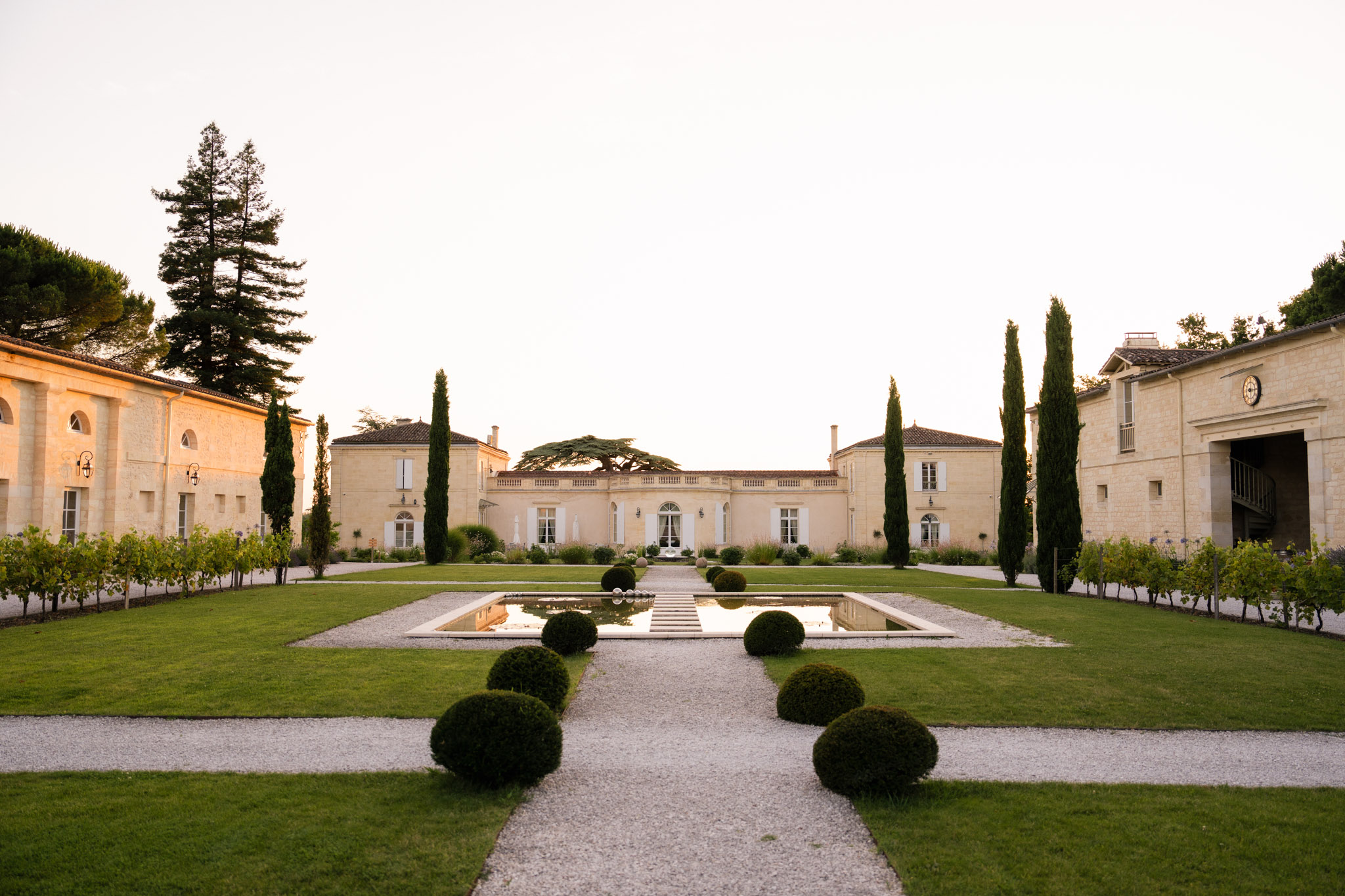
If your wedding involves specific cultural or religious traditions, include them in the brief. Your planner needs to know whether the ceremony will be civil, symbolic, religious, or a combination. They need to know if there are dietary requirements for a significant portion of your guests (vegetarian, vegan, halal, kosher). They need to know about traditions that affect the timeline, such as a traditional tea ceremony, a henna night, or a church blessing that must happen before or after the civil ceremony at the mairie.
France has specific rules about religious ceremonies: a civil ceremony at the mairie must legally precede any religious ceremony. Your planner should know this, but including your requirements in the brief ensures nothing is overlooked.
What You Want Help With (and What You Do Not)
Some couples want full-service planning from venue search to last dance. Others have specific areas where they want a planner's expertise and others where they prefer to manage things themselves. Tell your planner:
- Which categories you want them to source and manage (catering, florals, photography, entertainment)
- Which categories you plan to handle independently (stationery, favours, getting-ready outfits)
- Whether you want design direction (colour palette, styling, table concepts) or just logistics
- Whether you need help with the legal paperwork for a civil ceremony in France
The Brief Template
Copy this template and fill it in before your first planner consultation. You do not need to answer every question. Leave blank anything you genuinely have not decided yet. The purpose is to give your planner a clear starting point, not a final plan.
Wedding Planner Brief
Couple names: \_\_\_
Contact email: \_\_\_
Home country: \_\_\_
Languages spoken: \_\_\_
Preferred date or date range: \_\_\_
Date flexibility: Fixed / Flexible within a month / Flexible within a season
Day of the week: Saturday only / Friday or Saturday / Flexible
Guest count (range): \_\_\_
Where guests are travelling from: \_\_\_
Children expected: Yes (approx. number) / No
Elderly or mobility-limited guests: Yes / No
Total budget range (all-in, including planner fees): €**_ to €_**
Budget flexibility: Firm ceiling / Could stretch for the right venue / Still determining
Region preference: \_\_\_
Venue type preference: \_\_\_
On-site accommodation needed for \_\_\_ guests
Exclusive use required: Yes / No / Preferred
Ceremony type: Civil at mairie / Symbolic only / Religious + civil / Unsure
Cultural or religious traditions to incorporate: \_\_\_
Dietary requirements for guests: \_\_\_
Three words for the feeling of your wedding: **\_, **_, _\_\_
One paragraph describing your ideal wedding weekend:
\_\_\_
Must-haves (non-negotiable):
1. \_\_\_
2. \_\_\_
3. \_\_\_
Deal-breakers (would rule out a venue or vendor):
1. \_\_\_
2. \_\_\_
3. \_\_\_
Service level needed: Full planning / Partial planning / Day-of coordination
Categories where you want planner to source vendors: \_\_\_
Categories you will manage independently: \_\_\_
Design direction needed: Yes / No / Unsure
Anything else your planner should know:
\_\_\_
Common Mistakes in Planner Briefs
Hiding the real budget. Couples routinely quote a lower number than they can actually afford, hoping the planner will deliver champagne results on a beer budget. This backfires. The planner builds a vendor shortlist around the stated number, the couple rejects everything as too basic, and three weeks are wasted recalibrating. State the real range. Include a note if there is a hard ceiling versus a flexible upper limit.
Overloading on aesthetics, underloading on logistics. A brief that includes 50 Pinterest images but no guest count, no budget range, and no date flexibility is not a brief. It is a mood board. Aesthetics matter, but they come after the structural decisions are made.
Leaving out family dynamics. If your parents are contributing financially and have strong opinions about the guest list or venue, your planner needs to know. If there are family relationships that affect the seating plan or timeline (divorced parents, blended families, guests who should not be seated together), include a note. Planners navigate these situations regularly. They cannot help if they do not know.
Being vague about the ceremony. "We are not sure yet" is fine for colour palettes. It is not fine for the ceremony type. Whether you are having a civil ceremony at the mairie, a symbolic ceremony at the venue, a church blessing, or some combination directly affects the timeline, the venue requirements, and the legal paperwork. Decide this before you brief your planner, or at minimum flag it as a priority discussion topic.
Related Articles
- Hiring a destination wedding planner in France: the complete guide
- 30 questions to ask your wedding planner in France
- Wedding planner costs by region in France
- Wedding planner in France: costs and how to choose
- Understanding French wedding contracts and deposits
- Getting married legally in France
Frequently Asked Questions
How long should my planner brief be?
One to two pages. Cover the essentials: budget range, guest count and profile, dates, region preference, ceremony type, must-haves, and deal-breakers. Your planner will ask follow-up questions. The brief is a starting point, not a final plan.
Should both partners fill in the brief together?
Yes. Disagreements between partners about budget, venue type, or priorities are better discovered before the first planner call than during it. Filling in the brief together forces you to align on the decisions that shape everything else.
What if we genuinely do not know our budget yet?
Give a range, even a wide one. "We are thinking €30,000 to €60,000 but have not finalised" is far more useful than "we do not have a budget yet." Your planner can then show you what different budget levels look like in your target region and help you decide where to land. For a starting point, see our complete guide to wedding costs in France.
Can I update the brief after the first call?
Absolutely. The brief is a living document. Most couples refine it after the first consultation as the planner helps them clarify priorities, adjust expectations, and make decisions they had been postponing. Send an updated version after each major decision point.
Do I need to include inspiration images?
A small, focused selection (5 to 10 images) can help your planner understand your visual preferences. But images without context are not useful. For each image, note what specifically you like: the setting, the colour palette, the table arrangement, the floral style. "I like this because of the long tables under the trees" is more helpful than "I like this photo."
When you are ready to start your search, browse recommended wedding planners in France across every region and service level.
Explore Every Guide in This Chapter
Deep-dive into each topic covered above.