
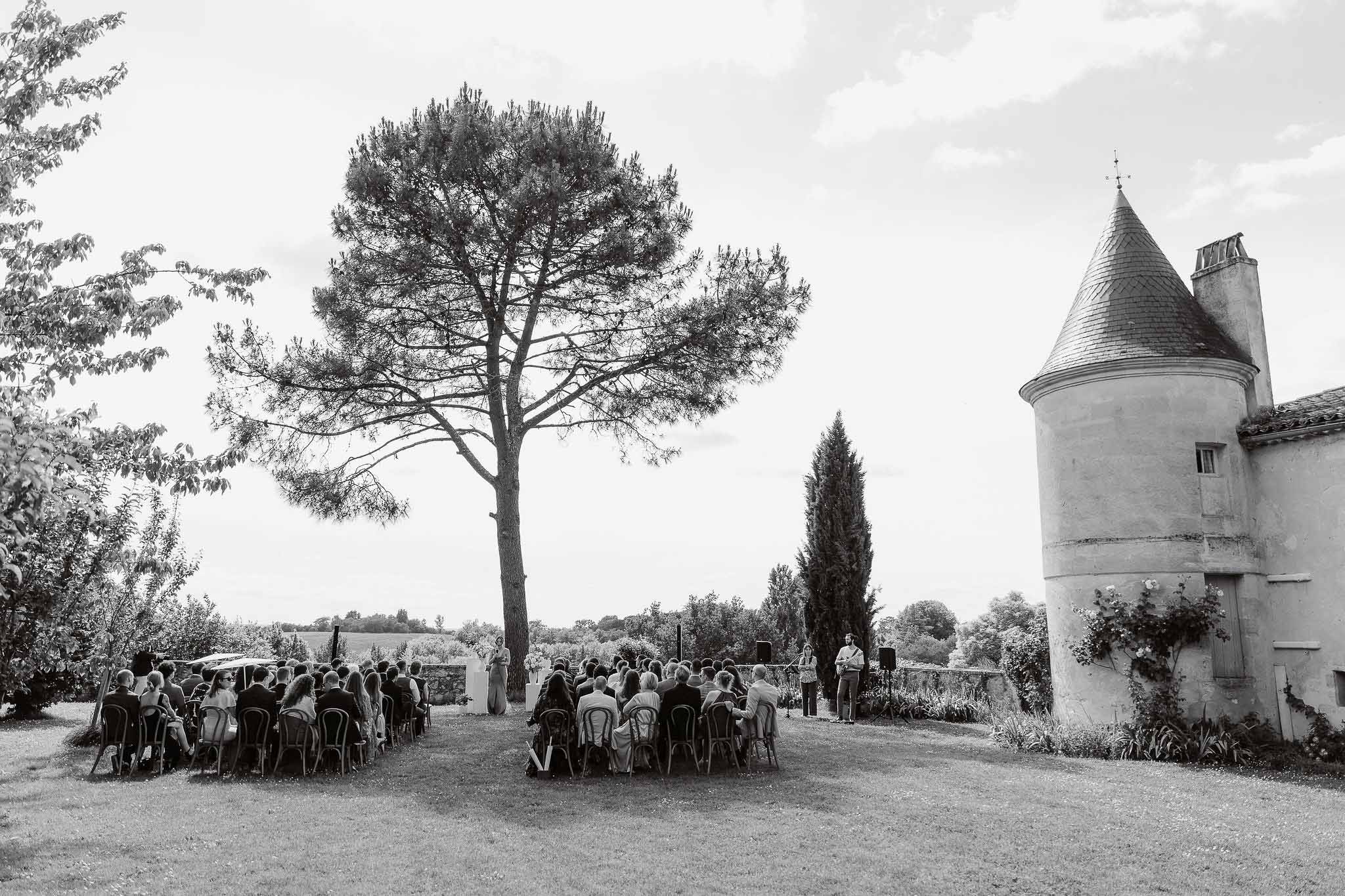
Bordeaux is the region where wine culture and the wedding become inseparable. Grand cru estates in Saint-Emilion, stone châteaux along the Médoc, and Atlantic light over the Gironde estuary create a setting defined by terroir rather than decoration. Pricing runs consistently below Provence for comparable vineyard properties, direct flights reach Bordeaux-Mérignac from across Europe and seasonally from North America, and the TGV puts Paris just two hours away. Everything you need to plan a Bordeaux wine country wedding as part of our guide to choosing your wedding region in France. For a broader view of every step involved, see the complete French destination wedding planning resource.
Key Takeaways
Bordeaux wine country offers vineyard château weddings at 20 to 40% less than comparable Provence properties, with a mid-range 80-guest celebration costing €50,000 to €100,000 all-in as of 2026 and stronger availability due to lower international demand. The most important decision in Bordeaux is whether to choose a working wine estate or an event venue with vineyard scenery, because working estates impose date restrictions during the September harvest and limit vineyard access during growing-season treatments. Bordeaux city itself is a UNESCO World Heritage Site with world-class restaurants and combines naturally with the Atlantic coast at Arcachon and Cap Ferret for multi-day wedding programmes covering city, vineyard, and ocean within a one-hour radius. Bordeaux-Merignac airport has direct European connections plus seasonal transatlantic flights, and the TGV from Paris takes approximately 2 hours. September weddings require careful planning around the vendange but deliver an atmosphere no other season can match.
- Bordeaux wine country offers vineyard château weddings at 20 to 40% less than comparable Provence properties, with stronger availability due to lower international demand as of 2026.
- The distinction between a working wine estate and an event venue with vineyard scenery is the key decision in Bordeaux. Working estates offer authenticity but impose date restrictions, particularly during the September harvest (vendange).
- Bordeaux city itself is one of the most attractive in France, a UNESCO World Heritage Site with world-class restaurants, and combines naturally with the Atlantic coast at Arcachon and Cap Ferret for multi-day wedding programmes.
- Bordeaux-Mérignac airport (BOD) has direct European connections plus seasonal transatlantic flights from New York and Montreal. The TGV from Paris Montparnasse takes approximately 2 hours.
- September weddings require careful planning. Active grape harvest means some estates are unavailable or restricted, though the harvest atmosphere adds a layer of authenticity no other season can match.
What Makes Bordeaux Different from Other French Wedding Regions?
Bordeaux stands apart because the wine culture is not a backdrop. It is the identity of every celebration held here. In Provence, lavender fields and olive groves frame the wedding. In the Loire Valley, Renaissance architecture defines the experience.
In Bordeaux, the vineyard itself shapes the day: the estate you choose, the appellation it belongs to, the wines served at dinner, the harvest calendar that dictates your date. The region contains over 7,000 wine-producing châteaux across 60 appellations, from the grand cru classé estates of the Médoc to the premier grand cru properties of Saint-Emilion. A wedding at one of these properties carries a specificity that no other French region replicates. Guests do not simply attend a wedding in wine country. They experience a working agricultural landscape whose products have commanded international prestige since the 1855 Classification.
The second distinction is value. As of 2026, Bordeaux wine country pricing sits meaningfully below Provence for comparable properties. Less international demand in the destination wedding market means stronger availability, more responsive venues, and less calendar competition during peak season.
A vineyard château with guest accommodation, formal gardens, and cellar access that would cost €25,000 to €45,000 for a weekend in the Luberon or Alpilles runs €12,000 to €25,000 in the Bordeaux appellations. The architecture is no less impressive. Many Médoc estates date to the 18th century, built by the Bordeaux négociants (wine merchants) whose wealth rivalled the aristocracy. For couples weighing regional price differences across France, Bordeaux consistently delivers the strongest ratio of vineyard prestige to cost.
Saint-Emilion deserves specific mention. The medieval hilltop town and its surrounding vineyards hold UNESCO World Heritage status, the first wine-producing landscape to receive the designation (1999). A wedding weekend based in or near Saint-Emilion gives guests access to underground limestone cellars, Romanesque churches, and a streetscape that has barely changed since the 12th century. The combination of viticultural heritage and architectural preservation is unmatched anywhere in France.
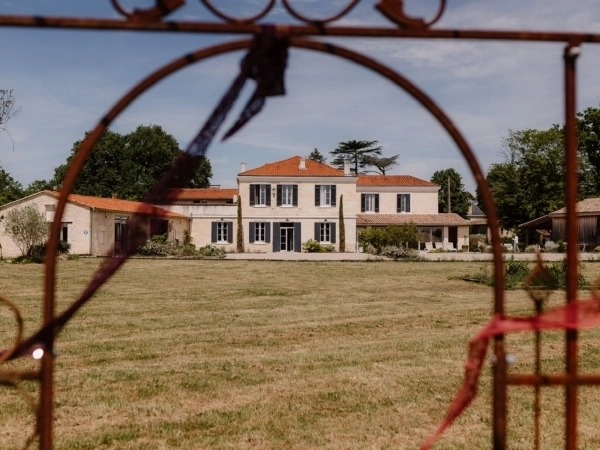
How Much Does a Bordeaux Wine Country Wedding Cost?
A mid-range destination wedding for 80 guests in Bordeaux wine country costs €50,000 to €100,000 all-in as of 2026, positioning the region between the Dordogne at €35,000 to €75,000 and Provence at €83,000 to €144,000. Weekend venue hire runs €8,000 to €25,000, catering €150 to €280 per head, and a full-service planner €5,000 to €12,000. The savings over Provence are most pronounced on venue hire, where Bordeaux pricing has not been inflated by two decades of international demand. Wine costs are a further advantage, with some estates including their own production in the package or offering it at cellar-door pricing, potentially saving €3,000 to €5,000 on the wine bill. Based on French Wedding Style's work with Bordeaux weddings, the value proposition is strongest for couples who want a vineyard setting with on-site accommodation and cellar access at prices that would secure only a venue fee in the Luberon.
| Cost Category | Bordeaux Wine Country (80 Guests) | Provence (80 Guests) |
|---|---|---|
| Venue fee (weekend) | €8,000 to €25,000 | €15,000 to €45,000 |
| Catering per head | €150 to €280 | €150 to €280 |
| Wedding planner (full) | €5,000 to €12,000 | €8,000 to €18,000 |
| Photographer (full day) | €2,500 to €5,500 | €3,000 to €10,000+ |
| Florist and styling | €2,000 to €6,000 | €4,000 to €15,000+ |
| Live band (5 to 8 pieces) | €3,500 to €7,000 | €6,000 to €12,000 |
| Realistic total (all-in) | €50,000 to €100,000 | €80,000 to €200,000+ |
Some estates include their own production in the package or offer it at cellar-door pricing. Others allow you to source from neighbouring domaines. Either way, serving local appellations (Saint-Emilion, Pauillac, Margaux, Pessac-Léognan, Sauternes) at your wedding is both expected and remarkably cost-effective compared to buying the same bottles retail. A Bordeaux wedding where the wine bill is lower than a comparable Provence celebration, yet the labels on the table are internationally recognised grand crus, is one of the region's most compelling advantages. For a full breakdown, see our guide to venue pricing explained.
What Is the Difference Between a Working Wine Estate and an Event Venue?
This is the most important distinction couples must understand before booking in Bordeaux, and it affects every aspect of the planning process from date availability to music curfews. The two categories look similar in photographs but operate under entirely different conditions. The vendange is the annual grape harvest, typically running from mid-September through mid-October in Bordeaux. Choosing the wrong type for your priorities will create friction throughout the planning process.
Working wine estates are active viticultural operations where grapes are grown, harvested, vinified, and aged on-site. Wedding hospitality is a secondary activity. These properties offer genuine terroir authenticity: barrel rooms with wine ageing in oak, vineyard rows you can walk through, winemakers who may join your apéritif.
The trade-off is significant. Date availability is restricted around the vendange (see the harvest section below for details), vineyard access may be limited during growing season treatments, noise restrictions protect fermentation areas, and the estate's agricultural schedule takes priority over event logistics. Some grand cru properties host only 4 to 8 weddings per year.
Event-focused venues with vineyard settings are properties where the primary business is hospitality. Vineyards may surround the buildings and the estate may produce wine, but the operational infrastructure is built around weddings and events. These venues offer greater flexibility on dates, longer access hours, dedicated event coordination staff, and fewer restrictions on music, layout, and guest movement. The vineyard aesthetic is present, but the agricultural rhythm does not govern the day. For couples who want the Bordeaux look without navigating viticultural constraints, this is the more practical choice.
Most international couples will find the event-focused venue more practical, unless the working estate story is specifically what drew them to Bordeaux. The decision depends on what matters most: agricultural authenticity or logistical flexibility. Ask three direct questions when enquiring: Is the estate an active wine-producing operation? What date restrictions apply around harvest? Who manages the wedding coordination, the estate team or an external planner? The answers will immediately clarify which category the venue falls into. To explore all options, vineyard wedding venues across France.
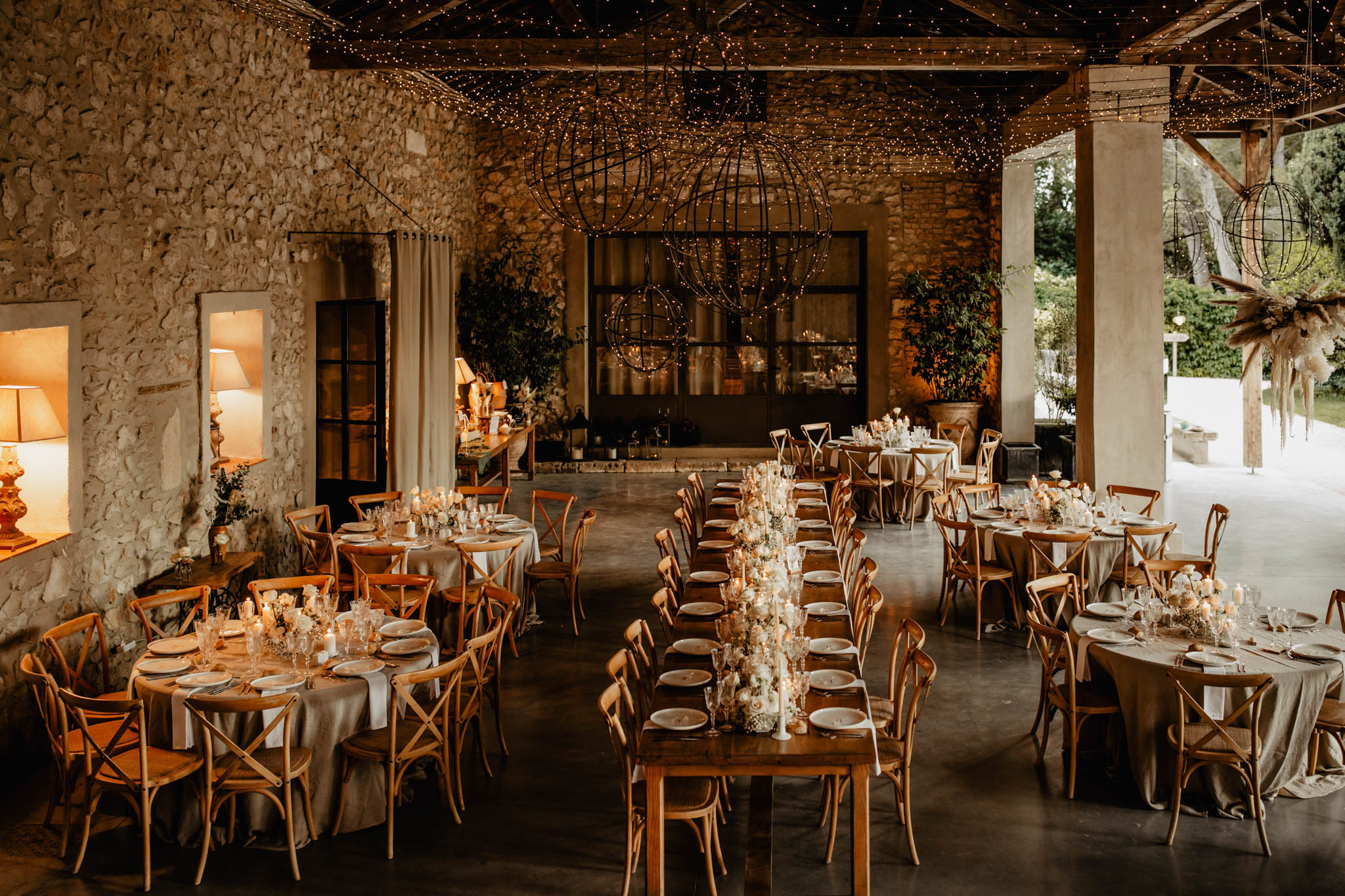
Can You Combine Bordeaux City with the Coast?
One of Bordeaux's strongest advantages over inland wine regions is the proximity of the Atlantic coast. The Arcachon Basin (Bassin d'Arcachon) sits less than an hour west of the city, and this combination of urban culture, vineyard landscapes, and ocean opens up multi-day wedding programmes that no other French wine region can match.
Bordeaux city is a UNESCO World Heritage Site, the largest listed urban ensemble in France. The 18th-century limestone facades along the Garonne, the restored Place de la Bourse with its miroir d'eau (water mirror), and the restaurant scene centred on Rue du Parlement Saint-Pierre and the Chartrons district create a natural setting for welcome dinners, rehearsal events, or post-wedding brunches. The Cite du Vin, the city's wine museum, offers private-hire spaces overlooking the river. A welcome dinner in Bordeaux followed by a vineyard wedding the next day is one of the most effective two-day formats in France.
Arcachon and Cap Ferret offer an entirely different atmosphere: Atlantic light, oyster villages, pine forests, and the Dune du Pilat, Europe's tallest sand dune at over 100 metres. The Arcachon Basin is the centre of French oyster production, and a post-wedding oyster lunch with white Graves wine on the waterfront at L'Herbe or Le Canon is the kind of experience guests talk about for years. Cap Ferret, the narrow peninsula separating the basin from the ocean, has a relaxed, almost Scandinavian quality in its timber-clad architecture and cycling paths through the pine forest.
The practical logistics work well. Bordeaux city to Arcachon is 50 minutes by car or 45 minutes by direct train. Saint-Emilion to Bordeaux city is 40 minutes. A three-day programme moving from city to vineyard to coast covers remarkable variety within a compact geography. For couples comparing this to getting married in Provence, the Bordeaux triangle offers a coastal dimension that Provence's inland wine country cannot.
How Does Harvest Season Affect September Weddings?
The vendange in Bordeaux typically runs from mid-September through mid-October, though the exact timing shifts year to year depending on weather conditions and grape variety. Merlot, which dominates the Right Bank around Saint-Emilion, is generally harvested first, followed by Cabernet Sauvignon in the Médoc one to two weeks later. For couples considering a September wedding in wine country, the harvest creates both constraints and opportunities that require specific planning.
The constraints are real. Working estates that are actively harvesting will have restricted or no availability for events during vendange weeks. Vineyard rows may be occupied by picking teams from dawn. Tractors move between rows. The chai (barrel hall) is in active use for pressing and initial fermentation.
Some estates close to external events entirely during this period. Even event-focused venues adjacent to working vineyards may experience secondary impacts: road access through vineyard areas, noise from agricultural machinery in the morning, and reduced availability of estate staff who assist with harvest. If your preferred venue is a working estate, confirm harvest dates as early as possible. Some estates can provide estimates 6 months in advance based on vine development, but precise picking dates are often confirmed only 2 to 3 weeks before harvest begins.
The opportunities are equally real. A September wedding during harvest delivers an atmosphere no other time of year can match. The vines are heavy with fruit. The air carries the scent of crushed grapes.
Guests can watch picking teams at work in adjacent rows. The energy on a working estate during vendange is palpable, a year's work reaching its conclusion. Some estates embrace this and will arrange a vineyard walk or a brief grape-picking experience for wedding guests as part of the weekend programme. The visual richness of the landscape at this moment, deep green canopy turning gold at the edges, purple and golden grapes in full clusters, warm September light, creates a setting that June or July cannot replicate.
For couples who want the September atmosphere without the harvest constraints, event-focused venues with vineyard settings (see the distinction above) are the straightforward solution. The vines are still at their peak, the light is still warm, and the venue's primary business is your wedding, not the grape harvest. For broader guidance on timing, consult our seasonal climate guide for French weddings.
How Do Guests Reach Bordeaux?
Guest logistics are one of Bordeaux's genuine strengths, and the transport infrastructure makes the region accessible from nearly any origin. Bordeaux-Mérignac airport (BOD) receives direct flights from across Europe, including London (multiple airports), Dublin, Amsterdam, Brussels, Geneva, Rome, and Lisbon, plus seasonal transatlantic routes to New York JFK and Montreal. The airport sits 20 minutes west of Bordeaux city centre, and most wine country venues are 30 to 75 minutes from the terminal.
The TGV high-speed train connects Paris Montparnasse to Bordeaux Saint-Jean in approximately 2 hours and 15 minutes, making it one of the fastest Paris-to-wine-country connections in France. For UK guests, direct flights from London take 1.5 hours, while the Eurostar to Paris plus TGV to Bordeaux takes approximately 5 to 6 hours centre to centre. This combination of air and rail gives Bordeaux broader international connectivity than any other French wine region outside Paris.
TGV high-speed rail connects Paris Montparnasse to Bordeaux Saint-Jean station in approximately 2 hours and 15 minutes. This makes Bordeaux one of the easiest French destinations to reach from Paris, and guests arriving on transatlantic flights into Charles de Gaulle can connect via train rather than taking a domestic flight. The Bordeaux Saint-Jean station is also served by direct TGV services from Lyon, Marseille, Toulouse, and other major French cities.
For UK guests, Eurostar to Paris Gare du Nord plus a taxi transfer to Montparnasse and a TGV to Bordeaux takes approximately 5 to 6 hours centre to centre. Direct flights from London to Bordeaux take 1.5 hours.
Both options are competitive depending on where guests live relative to a London airport. Bergerac airport (EGC), one hour east, adds further UK direct flight options for guests whose final destination is the eastern wine country near Saint-Emilion or the Dordogne border. For couples weighing transport against other regions, compare the Dordogne and South-West for destination weddings or the Loire Valley for château weddings.
Planning Traps That Catch International Couples in Bordeaux
The mistake that costs couples most is treating Bordeaux as interchangeable with Provence. The two regions attract fundamentally different types of celebrations. Provence sells a vision of colour, fragrance, and Mediterranean warmth: lavender, olive trees, rosé, outdoor dining under plane trees.
Bordeaux sells terroir, heritage, and agricultural prestige: appellations with centuries of classification history, barrel rooms where wine ages in oak, and a culinary tradition built on Bordelais specialities like entrecôte à la bordelaise (ribeye with red wine and bone marrow sauce), canelés (caramelised pastries from Bordeaux), and lamprey in season. The Atlantic climate is also distinct: Bordeaux summer temperatures reach 28 to 34°C with occasional rain, compared to Provence's drier, hotter 35 to 40°C. Couples who arrive expecting a Provençal atmosphere will be disappointed. Those who come for what Bordeaux actually offers will find a region with deeper vinous identity than anywhere else in France.
Overlooking Bordeaux city itself. Many couples fixate on the vineyard venue and treat the city as an arrival point only. This misses one of France's finest urban centres. The 18th-century Bordeaux that earned UNESCO status is a city of wide boulevards, golden limestone, exceptional dining, and a wine bar culture that allows guests to taste across dozens of appellations in a single evening. Build at least one city event into the wedding programme.
Booking September at a working estate without checking harvest dates. The section above covers this in detail, but the core point bears repeating: active vendange and a wedding do not always coexist comfortably on the same property. Confirm in writing before signing a contract.
Assuming all Bordeaux wine country looks the same. The Médoc, north-west of the city along the Gironde estuary, is flat and grand, with palatial 18th-century estates surrounded by low vines stretching to the horizon. Our complete guide to pairing Bordeaux wines with your French wedding menu walks through the details. Saint-Emilion, east of the city, is hilly and medieval, with underground cellars carved into limestone and a compact hilltop town. The Graves and Pessac-Léognan, south of the city, sit closer to Bordeaux and offer the easiest access to both city and coast.
Entre-Deux-Mers, the rolling countryside between the Garonne and Dordogne rivers, is the most affordable and least discovered subregion. Each area has a distinct visual character and price range. Visit before booking, or work with a recommended wedding planner who knows the subregional differences.
Underestimating the wine programme. At a Bordeaux wedding, the wines served at dinner are not an afterthought. They are a statement. Guests who know wine will notice the labels. A thoughtful wine selection, perhaps a white Graves for the fish course, a Saint-Emilion grand cru for the main, and a Sauternes with dessert, demonstrates that the couple has engaged with the region rather than simply renting a property in it. Our guide to vineyard and château venue types in the Bordeaux wine region explains the specifics. Discuss the wine programme with your venue or caterer as seriously as you discuss the menu. In Bordeaux, they are the same conversation.
Related Articles
These five guides connect directly to the Bordeaux planning decisions covered above. The regional price comparison maps venue fees and vendor costs across all nine major French wedding areas, showing where Bordeaux sits in the mid-range tier between Provence and the Dordogne. The Dordogne guide covers the neighbouring region that shares an airport at Bergerac and pairs naturally for venue-viewing trips. The Provence guide provides the direct comparison most couples make when weighing the two leading southern French wine regions. The seasonal climate guide covers Bordeaux-specific weather patterns including summer heat, harvest timing, and the shoulder-season windows that offer the best combination of weather and pricing. The vineyard venue collection provides a handpicked shortlist of wine estate properties across France.
- Regional price differences across France: where your euro goes furthest
- Dordogne and South-West France: a wedding planning guide
- Getting married in Provence: the complete planning guide
- Seasonal climate guide for French weddings
- Vineyard wedding venues in France
Frequently Asked Questions
How much does a Bordeaux wine country wedding cost?
A mid-range destination wedding for 80 guests costs €50,000 to €100,000 all-in. Venue weekend hire runs €8,000 to €25,000 and catering €150 to €280 per head. This is 20 to 40% less than a comparable Provence vineyard wedding, with the savings most pronounced on venue fees and catering. Serving the estate's own wines, often available at cellar-door pricing, can reduce the wine bill by 30 to 50% compared to external sourcing.
What is the best time of year for a Bordeaux wedding?
June to September offers the most reliable weather, with July and August reaching 28 to 34°C. Late June and early July are the most popular months because they avoid both the extreme summer heat and the September harvest. Late May and early October provide pleasant conditions with fewer tourists and lower pricing, though evening temperatures may require indoor contingency.
Can I get married at a working Bordeaux wine estate?
Yes, but with conditions. Working estates that host weddings typically accept 4 to 8 events per year. Date restrictions apply around the September to October harvest. Access to vineyard areas and the chai (barrel hall) may be limited during active winemaking periods. Confirm all restrictions in your contract before signing. Event-focused venues with vineyard settings offer a more flexible alternative.
How do guests fly to Bordeaux from outside Europe?
Bordeaux-Mérignac airport (BOD) receives seasonal direct transatlantic flights from New York JFK and Montreal. Year-round, guests can fly into Paris Charles de Gaulle and take the TGV high-speed train to Bordeaux in approximately 2 hours 15 minutes. This Paris connection makes Bordeaux accessible from virtually any international origin via a single transfer.
What is the difference between Saint-Emilion and the Médoc for weddings?
Saint-Emilion is hilly, medieval, and compact, with a UNESCO-listed town, underground limestone cellars, and intimate vineyard estates on rolling terrain. The Médoc is flat and grand, with palatial 18th-century château estates surrounded by expansive vine rows along the Gironde estuary. Saint-Emilion tends toward smaller, more intimate weddings. The Médoc suits larger celebrations with a formal architectural setting.
Does Bordeaux work for a multi-day wedding weekend?
Bordeaux is one of the strongest regions in France for multi-day programmes. The combination of city (welcome dinner in Bordeaux), vineyard (wedding day at a wine estate), and coast (post-wedding oyster lunch in Arcachon or Cap Ferret) covers remarkable variety within a one-hour radius. Most vineyard venues with on-site accommodation naturally support a two or three-night stay. Consider booking a group wine tasting at a nearby estate for the afternoon before the wedding, which gives guests an activity and introduction to the region for €15 to €30 per person.
Is September a risky month for a Bordeaux vineyard wedding?
September carries specific risks at working wine estates due to the vendange (grape harvest), which typically begins mid-September. Some estates restrict or close event bookings during harvest. However, event-focused venues with vineyard scenery operate normally in September. The month offers warm weather (22 to 28°C), golden light, and a landscape at its most visually rich. Early September (first two weeks) is typically the safest window, as most harvest activity begins mid-month. Plan around harvest constraints rather than avoiding the month entirely.
In Bordeaux, the wines served at dinner are not an afterthought. A thoughtful selection that moves through local appellations, from a white Graves apéritif to a Saint-Emilion grand cru with the main course to a Sauternes with dessert, tells your guests you chose this region for a reason. Start that conversation with your venue early. Browse vineyard wedding venues across France to find the estate that matches your wine ambitions and budget.
Explore Every Guide in This Chapter
Deep-dive into each topic covered above.