
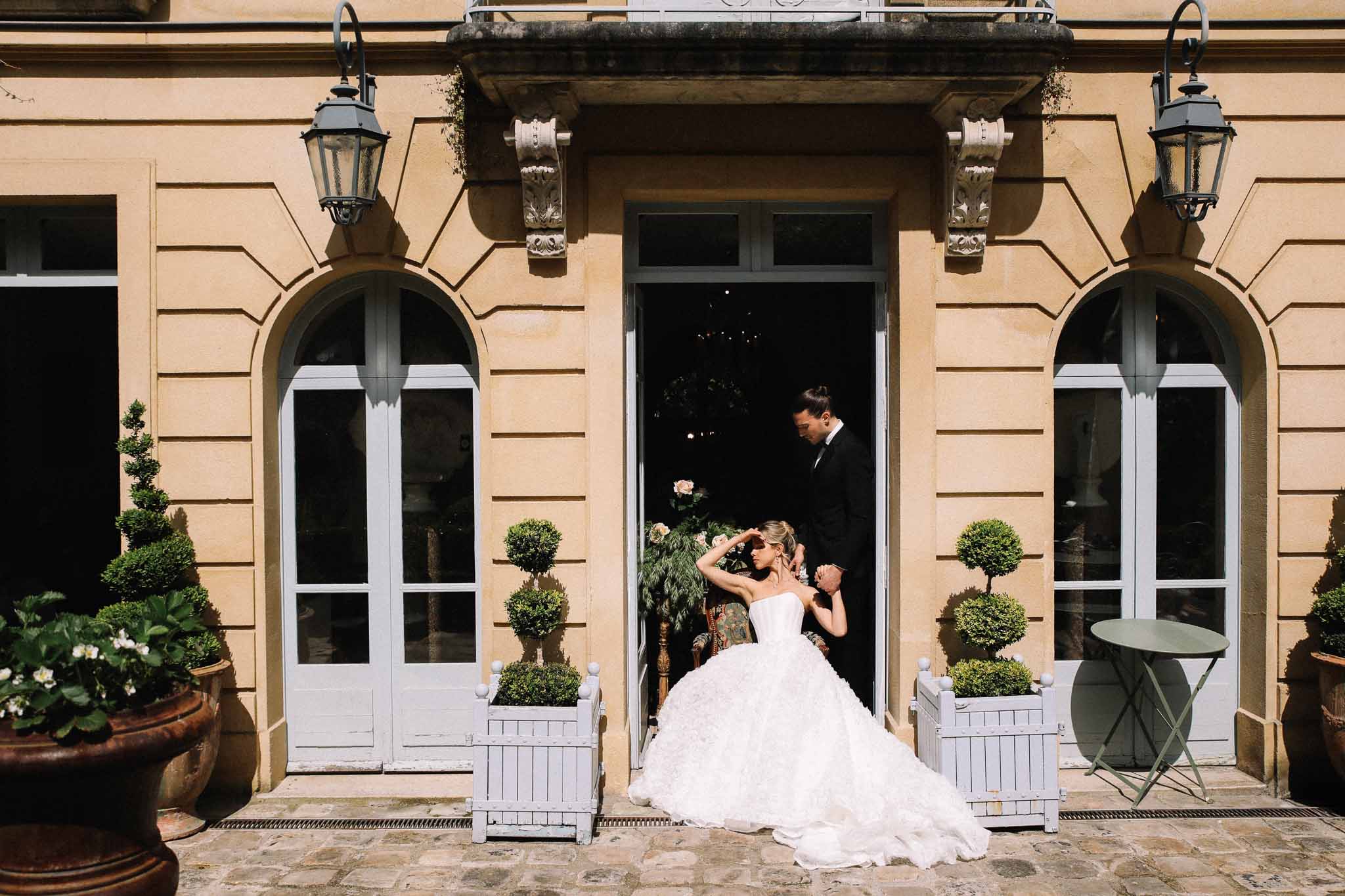
Anniversary Trips Back to France: Return to Your Wedding Region
Couples who marry in France tend to return. Not out of obligation or habit, but because the region where they celebrated their wedding becomes a place that holds a specific emotional charge. The vineyard where they exchanged vows. The village where their guests gathered for the welcome dinner.
The road they drove along on the morning of the wedding, when everything was still anticipation and the day had not yet begun. An anniversary trip back to France is not just a holiday. It is a pilgrimage to a version of yourselves that exists in a particular landscape, and revisiting it together, one year or five or ten later, reconnects you to the day and to each other in a way that photographs alone cannot. Below is everything you need: why couples return, what each region offers for anniversary experiences, and how to plan a trip that honours the original celebration while creating something new. This forms part of our complete guide to planning a destination wedding in France. For the full chapter, see our complete after-the-wedding guide.
Key Takeaways
- An anniversary trip to your French wedding region combines the emotional resonance of the place with the practicality of a destination you already know: you know the restaurants, the roads, the light at certain hours, and where the best views are.
- Most couples return for the first, fifth, or tenth anniversary. The first anniversary is the most popular because the memories are still vivid and the photographs have just been fully absorbed into daily life.
- Each French region offers distinct anniversary experiences: wine tasting in Bordeaux and Burgundy, coastal retreats on the Riviera, cultural immersion in Paris, countryside relaxation in the Dordogne and Loire.
- Some venues welcome returning couples for anniversary dinners or overnight stays. Contact your venue at least 3 months before your anniversary to ask about availability and any returning-couple packages for returning couples.
Why Do Couples Return to Their Wedding Region?
The practical answer is familiarity. You have already navigated the airports, the hire car routes, and the local restaurants. You know which boulangerie opens earliest and which terrace has the best sunset view. The region is not foreign territory. It is a place you have a personal relationship with, and returning there is easier than discovering somewhere new. The emotional answer runs deeper. The human brain encodes memories with strong sensory anchors: the smell of lavender, the sound of cicadas, the quality of light through a particular window. When you return to the place where those sensory experiences first attached to the most significant day of your life, the memories surface with a clarity that surprises you. Walking through the garden where the ceremony happened, sitting at the restaurant where the welcome dinner took place, standing on the same terrace where you had your first dance: these are not nostalgic exercises. They are active reconnections to a shared emotional state.
Couples who marry at destination venues often report that the wedding weekend was so full of logistics, guests, and events that they did not fully absorb the place itself. The anniversary trip is the corrective. You see the region without the filter of a 150-person event. You eat at the local restaurant without a seating plan. You walk through the village without a photographer. The place reveals itself differently when you are not performing your wedding day inside it.
For couples who married at a château venue in France, the property itself may offer anniversary packages or off-season stays that are significantly less expensive than the wedding hire. Some châteaux rent individual suites to couples outside the wedding season, giving you access to the same grounds and architecture without the event infrastructure.
What Are the Best Anniversary Experiences by Region?
Provence. Return in late spring or early autumn, when the tourist crowds have thinned and the light has that particular warmth that makes every stone wall glow. Book a private cooking class in a village kitchen (€80 to €150 per couple), where a local chef teaches you to prepare the same regional dishes your caterer served at the wedding. Visit a lavender distillery in Valensole or a truffle farm in the Luberon. Drive to Aix-en-Provence for the Saturday morning market at Place Richelme, where the stalls sell the same cheeses and olives that appeared on your wedding table. End the day at a Michelin-starred restaurant that was beyond the wedding budget but fits perfectly into a two-person anniversary dinner. Bordeaux and the South-West. Book a private wine tasting at a grand cru classé estate (€50 to €200 per couple, depending on the château). Visit the Cité du Vin, the wine museum in Bordeaux, for a perspective on the wine culture that shaped your wedding menu.
The Loire Valley. Tour the châteaux you did not have time to visit during the wedding weekend. Chambord, Chenonceau, Villandry: these are not just tourist attractions but living examples of the same architectural heritage that made your wedding venue what it is. Book a hot-air balloon ride over the Loire Valley at sunrise (€200 to €250 per person) for a view of the landscape that no photograph from the ground can match. Visit the local vineyards for Vouvray, Chinon, and Sancerre tastings.
The French Riviera. Return in September or October, when the summer crowds have departed and the Mediterranean is still warm enough to swim. Book a day on a private boat from Antibes or Saint-Tropez (€500 to €1,500 for a half-day charter, depending on vessel). Dine at a beachfront restaurant where the tables sit in the sand and the waves provide the soundtrack. Visit the Fondation Maeght in Saint-Paul-de-Vence or the Matisse Museum in Nice for the cultural dimension that a wedding weekend rarely allows.
Paris and Île-de-France. Paris needs no introduction, but it needs reframing for an anniversary. Skip the tourist checklist. Instead, return to the arrondissement where your wedding took place and explore it as locals: a morning at the neighbourhood market, coffee at the zinc bar where you stopped between the mairie and the reception, dinner at a bistro with 12 tables and no English menu. Book a private after-hours visit to a museum (the Musée Rodin and the Musée de l'Orangerie both offer this) for an experience that matches the intimacy of an anniversary.
Normandy and Brittany. The northern coast of France in autumn is dramatic, quiet, and deeply romantic in a way that has nothing to do with sunshine. Walk the beaches at low tide. Visit Mont-Saint-Michel without the summer queues. Eat oysters at a harbourside restaurant in Cancale. Stay at a manor house in the Normandy countryside and let the rain against the windows provide the atmosphere that the southern sun provides in Provence.
How Do You Plan a Return Trip?
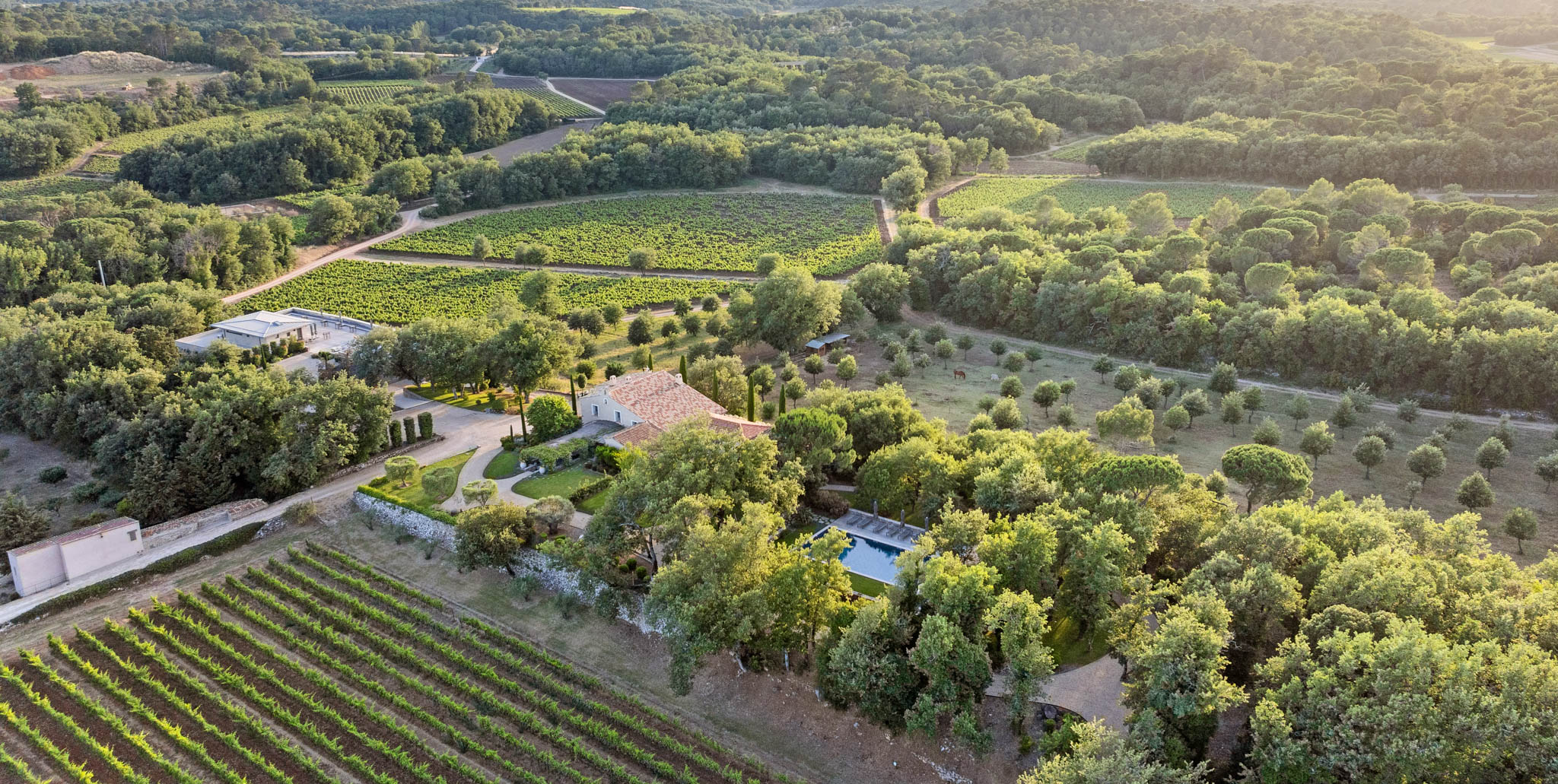
Start with the venue. Contact the property 3 to 6 months before your anniversary to ask whether they offer short stays (1 to 3 nights) outside the wedding season. Many châteaux, domaines, and bastides that operate as exclusive-use wedding venues during summer offer guest accommodation, B&B stays, or private hire for smaller groups in spring, autumn, and winter. The rates are typically 50 to 70 percent lower than the wedding-season hire. If the venue is not available for a stay, book accommodation in the nearest town or village where you stayed during the wedding weekend. Returning to the same hotel, guesthouse, or rental property anchors the trip in shared memory. You walk the same streets. You pass the same landmarks. The sense of return is tangible. Build the itinerary around experiences you missed during the wedding weekend. The wedding itself consumes all available attention and energy. The local restaurant you drove past but never entered. The hiking trail the planner mentioned.
For the first anniversary, keep the trip short (3 to 5 nights) and focused on the wedding region. For the fifth or tenth, consider expanding to include neighbouring regions. A Provence wedding couple might add a few days on the Riviera or in the Camargue. A Bordeaux couple might explore the Basque Country or the Lot-et-Garonne. France rewards return visitors because every region connects to its neighbours through food, wine, and landscape, creating itineraries that deepen with each visit.
For couples exploring venues for their wedding, our complete directory of wedding venues in France includes properties that also welcome returning couples for anniversary stays and private celebrations.
Related Articles
- After the wedding: the complete guide
- Post-wedding brunch in France
- Thank you cards and French etiquette
- Getting your marriage recognised at home
- Wedding venues in Provence
- Wedding venues in Bordeaux
- Wedding venues in the Loire Valley
- Wedding venues on the French Riviera
- Wedding venues in Normandy and Brittany
- Château wedding venues in France
- Vineyard wedding venues in France
- Destination wedding venues in France
- Browse all wedding venues in France
Frequently Asked Questions
Will our wedding venue let us visit on our anniversary?
Many venues welcome returning couples, but availability depends on the season and whether a wedding is booked that weekend. Contact the venue directly at least 3 months in advance. Some properties offer complimentary access to the grounds for a brief visit and photographs. Others offer discounted overnight stays or a private dinner in the wedding space. The venue's response will depend on the relationship you built during the wedding planning process and the goodwill your event generated.
Is it worth returning for the first anniversary or should we wait?
Return for the first anniversary if you can. The memories are still fresh, the details are still vivid, and the emotional connection to the place is strongest in the first year. Waiting five years means the memories have softened and the sensory anchors (the smell of the garden, the view from the terrace) may not trigger the same intensity of recall. The first anniversary trip is also when you appreciate the region most, because you are no longer consumed by the wedding itself.
Can we have an anniversary dinner at the same restaurant or venue?
If the venue has a restaurant or offers private dining, ask whether they can recreate a version of your wedding menu for two. Some caterers and venue chefs will prepare a modified tasting menu based on the original wedding dinner, which is a deeply personal experience. For restaurant celebrations, book the same restaurant where your welcome dinner or rehearsal dinner took place and request the same table if possible. These are small gestures that carry substantial emotional weight.
Explore Every Guide in This Chapter
Deep-dive into each topic covered above.