
Vin d'Honneur to Dinner: The French Wedding Afternoon
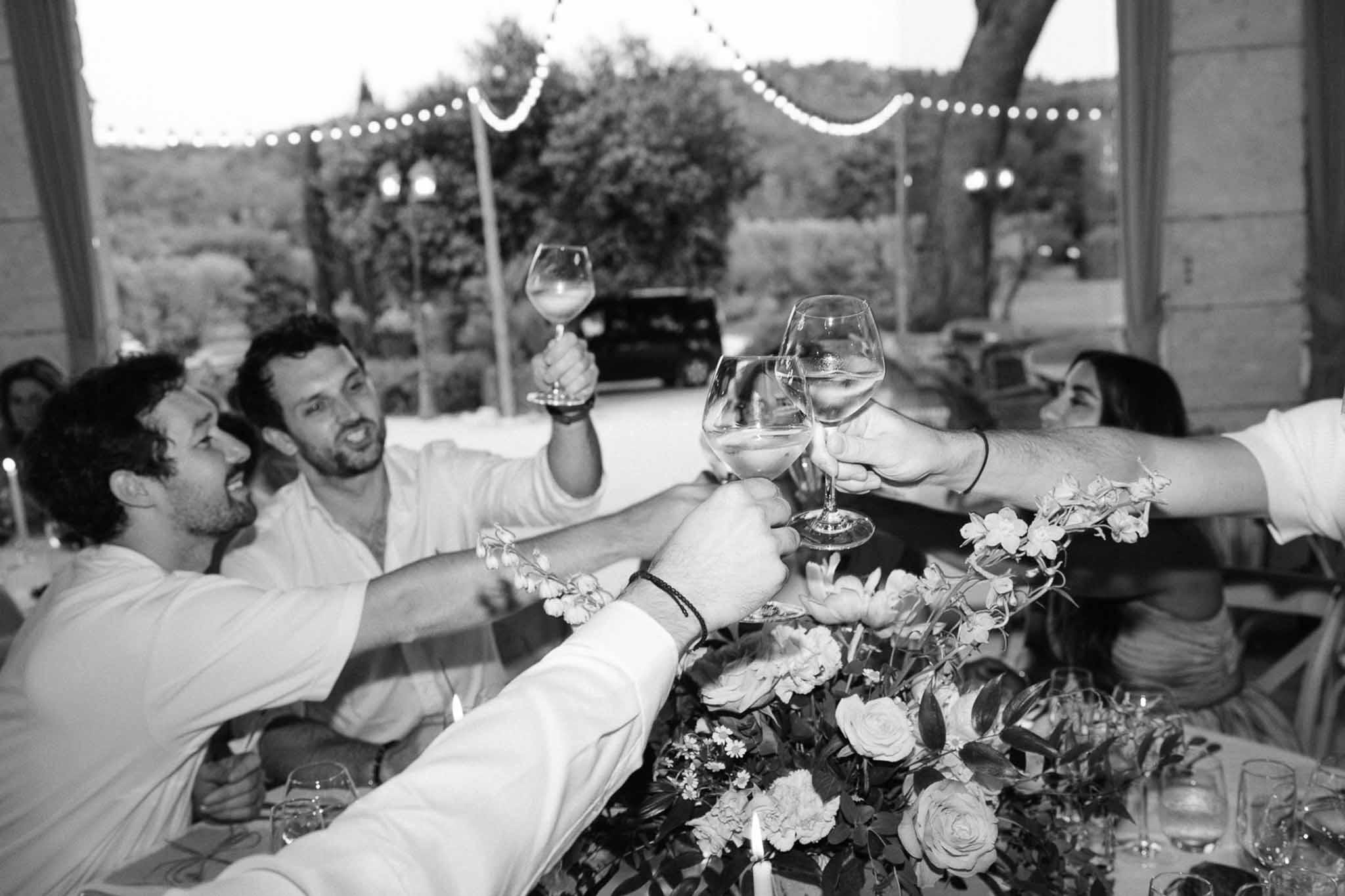
The vin d'honneur is where a French wedding becomes distinctly French. It is not a cocktail hour in the Anglo-American sense, a 60-minute placeholder while the couple takes photographs. It is a celebration in its own right: 1.5 to 3 hours of champagne, canapés, conversation, and reunion, set against the golden light of a late French afternoon.
Guests drift across a lawn, settle into garden chairs, cluster around a drinks station built from old wine barrels, and reconnect with people they have not seen since the last family gathering. The vin d'honneur is the social heart of the wedding day, the part French guests remember most fondly, and the part international couples most often underestimate in their planning. What follows is the rhythm, the details, and the transition into dinner. This forms part of planning your destination wedding in France from start to finish. For the full chapter, see our complete wedding day timeline guide.
Key Takeaways
- The vin d'honneur typically lasts 1.5 to 3 hours, beginning immediately after the ceremony and ending when guests are called to dinner. At a summer wedding with a 5pm ceremony and 8.30pm dinner, the vin d'honneur fills the 5.30pm to 8pm window.
- It is not a cocktail hour. The vin d'honneur is a structured social occasion with champagne (or crémant), canapés, and often a full apéritif station with cheese, charcuterie, and regional specialities. Guests eat and drink substantially during this period.
- The couple does not disappear for photographs during the entire vin d'honneur. Best practice: 30 to 45 minutes of couple portraits (ideally done during a first look before the ceremony), then join the guests for at least 45 minutes of the vin d'honneur.
- The transition from vin d'honneur to dinner is a deliberate moment, not a gradual drift. The maître d'hôtel, DJ, or MC announces dinner. Guests move from the outdoor cocktail space to the dining area. This transition takes 15 to 20 minutes.
How Does the Afternoon Flow at a French Wedding?
The ceremony ends. The couple walks back up the aisle. Guests stand, applaud, and follow. Within minutes, the scene shifts from stillness to social energy. Trays of champagne appear. Waiters circulate with canapés. A jazz trio plays near the terrace. Children run across the grass. The vin d'honneur has begun. The physical flow matters. At most French venues, the ceremony space and the vin d'honneur space are adjacent but distinct. The ceremony might be in the garden; the cocktails on the terrace. The ceremony in the chapel; the drinks in the courtyard. This separation creates a natural transition. Guests walk from one area to the other, collecting a glass of champagne as they move. The change of scenery resets the energy from contemplative to convivial. If the ceremony and vin d'honneur happen in the same space (which is less common but sometimes necessary), the planning team needs 15 to 20 minutes to transform the space: clearing chairs, opening the bar, launching the canapé service.
The couple's time during the vin d'honneur is the most contested resource of the afternoon. Everyone wants to congratulate them. The photographer wants couple portraits. The videographer wants a few minutes of audio. The families want a receiving moment. And the couple, reasonably, wants to enjoy their own party.
The solution is scheduling. If you have done a first look before the ceremony, couple portraits are already complete, and the couple can spend the full vin d'honneur with guests. If couple portraits happen after the ceremony, allocate 30 to 40 minutes, then return. Do not spend the entire vin d'honneur away from guests. The people who travelled to France for your wedding want to see you, talk to you, and raise a glass with you. Being absent for 2 hours is noticed.
What Happens During the vin d’honneur?
The vin d'honneur is more than drinks. It is a carefully orchestrated experience that sets the tone for the evening. Drinks. Champagne is the traditional starting pour at a French wedding vin d'honneur. Crémant (sparkling wine from regions outside Champagne) is a common and respected alternative. Rosé is served alongside white in Provence and the South. Kir (white wine with blackcurrant liqueur) or Kir Royale (champagne with blackcurrant) are classic French apéritif options. Non-alcoholic options should be visible and available without asking. Soft drinks, sparkling water with citrus, and a mocktail or alcohol-free spritz ensure all guests feel included. Food. Canapés circulate on trays carried by waitstaff. The standard at a French wedding is 8 to 12 canapé pieces per guest over the duration of the vin d'honneur. These are not decorative. They are substantial: foie gras on brioche, smoked salmon blinis, goat cheese and fig tartlets, prawn skewers, tapenade crostini, mini quiches.
Entertainment. Live music elevates the vin d'honneur from pleasant to atmospheric. A jazz trio, a guitarist, a string quartet, or a solo saxophonist playing bossa nova or French jazz standards. The volume is low enough for conversation but present enough to fill silence. Some couples add an activity: a photo booth, lawn games (pétanque is the obvious French choice), or a guest book station. These are optional. The vin d'honneur does not need programming. It needs space, good drinks, and enough time for conversations to develop.
Children. The vin d'honneur is when children hit their energy peak. They have sat through a ceremony and now they are free. If your wedding includes children, this is the moment to activate whatever childcare or activity plan you have arranged. A dedicated children's corner with games, a babysitter-led activity (crafts, a treasure hunt in the grounds), or simply a safe outdoor space where children can run while parents drink champagne. For a complete guide, see our children at French weddings article.
How Do You Transition from Cocktails to Dinner?
The transition is a designed moment, not a slow drift. At a French wedding, the vin d'honneur ends when the maître d'hôtel or the DJ announces that dinner is served. This announcement is clear, warm, and directional: "Dinner is served in the courtyard. Please make your way to your seats. The plan de table is displayed at the entrance." The practical sequence: 15 minutes before dinner: The canapé service slows. The bar switches from champagne to the wine that will be served with the first course. The music volume drops slightly. These subtle cues signal to guests that the vin d'honneur is winding down. Dinner announcement: The MC, maître d'hôtel, or best man invites guests to move to the dining area. At some weddings, the couple leads the procession. At others, guests make their own way while the couple has a final 5-minute moment alone before entering the dining room.
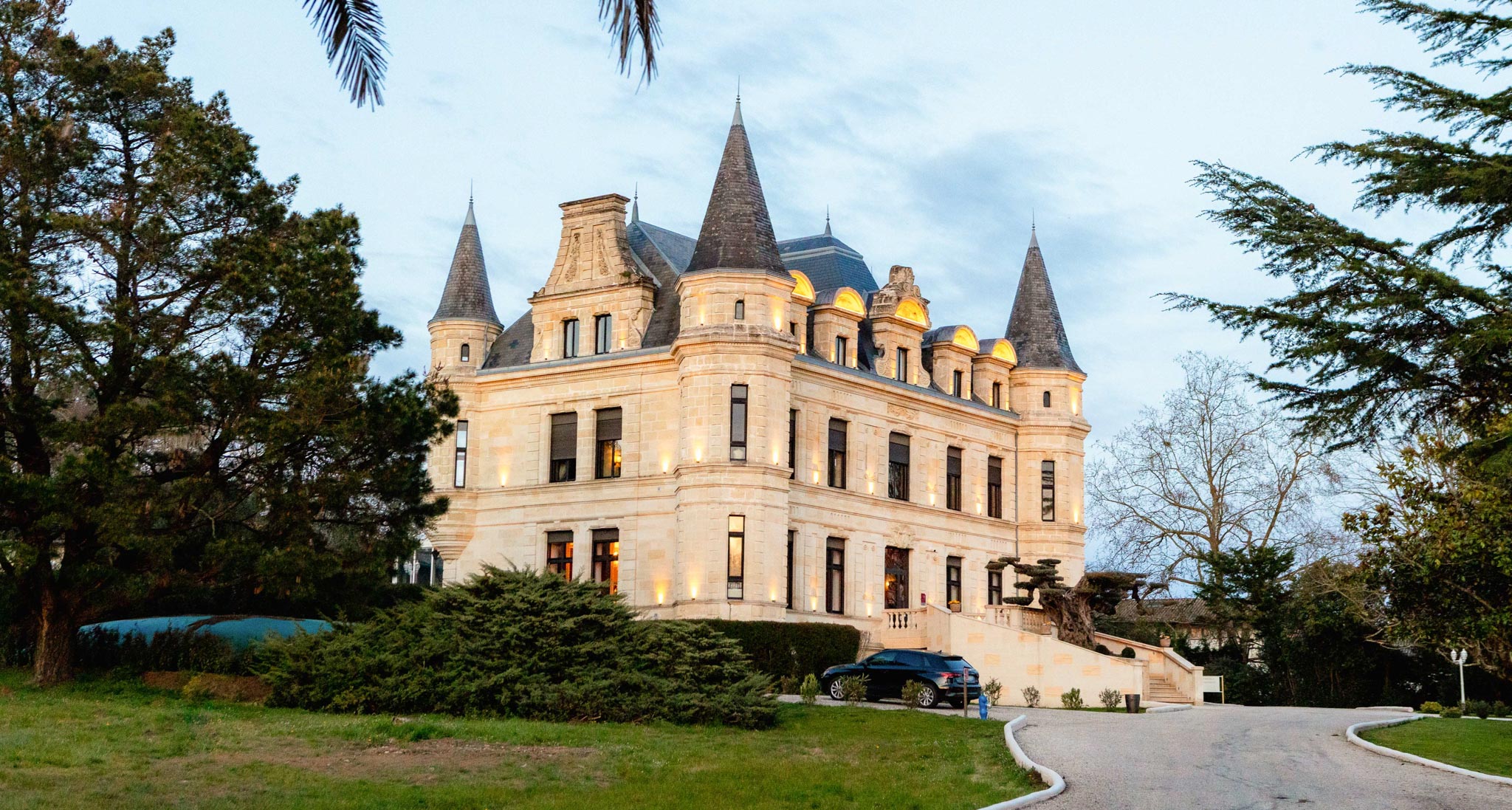
The walk: Guests move from the vin d'honneur area to the dining space. If the spaces are close (terrace to courtyard), this takes 5 minutes. If there is a walk (garden to a separate barn or marquee), it takes 10 to 15 minutes. Some couples line this path with lanterns, candles in paper bags, or fairy lights, turning the transition into a visual experience. At a château venue where the grounds connect multiple reception spaces, this walk can be one of the most atmospheric moments of the evening.
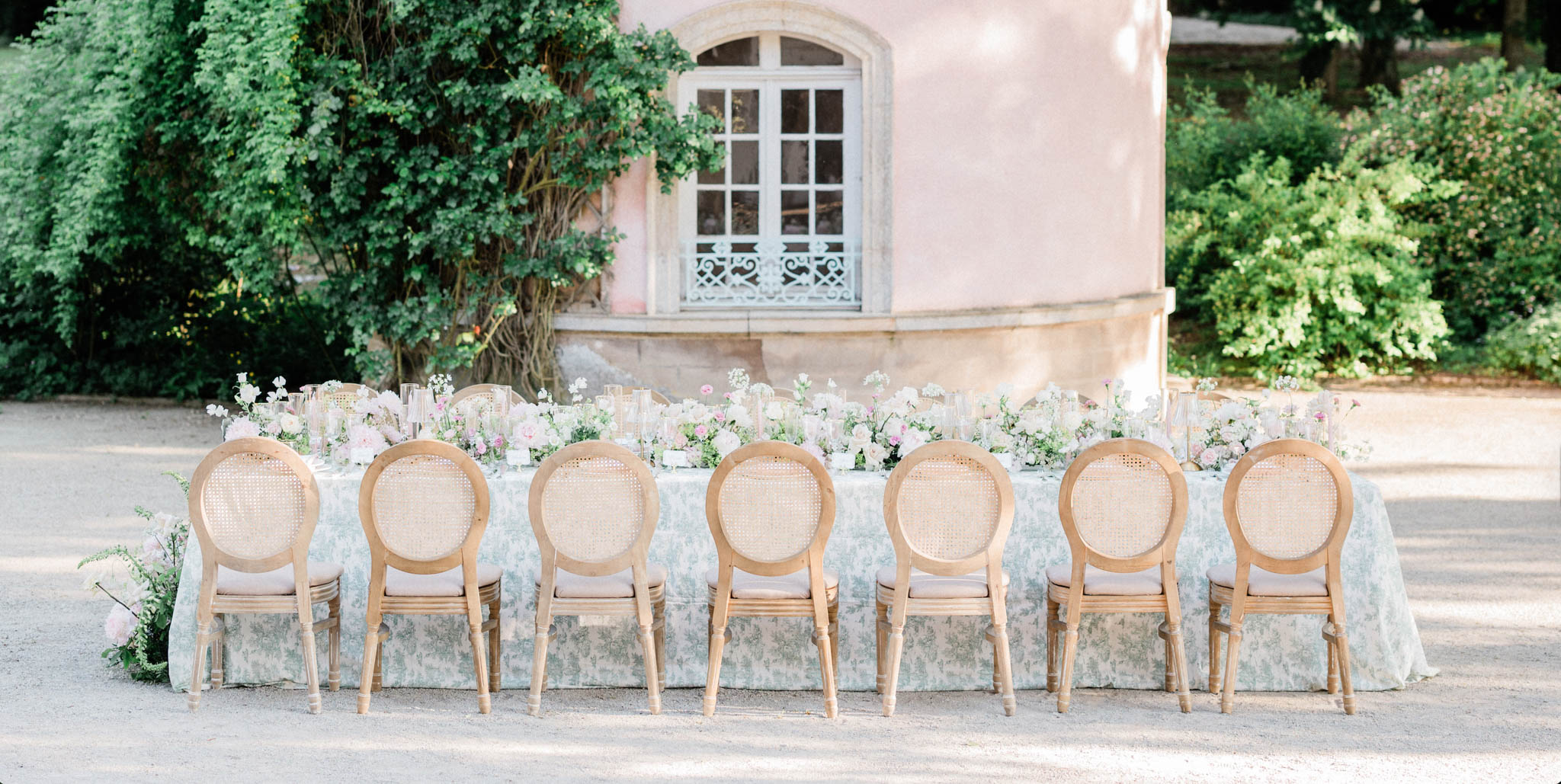
Finding seats: Guests locate their table on the plan de table (displayed at the dining room entrance) and find their place card at the table. This takes 10 to 15 minutes for 100+ guests. Background music plays. Water and bread are already on the tables. The first course is served 15 to 20 minutes after guests are seated, once the kitchen confirms everyone is in place.
The shortcut that costs more in the end in the transition is making it too gradual. If there is no clear announcement, guests linger at the bar. Some move to the dining area. Others do not. The kitchen waits. The first course timing is compromised. A decisive announcement from a confident voice solves this. French guests expect it. International guests appreciate it. The vin d'honneur ends, the dinner begins, and the evening has its structure.
Related Articles
- Wedding day timeline: the complete guide
- The ceremony at a French wedding
- The evening: dinner and dancing
- The late night and after-party
- Sample wedding day timelines
- vin d’honneur and soirée traditions
- French dining traditions at weddings
- The traditional French wedding menu
- Music at a French wedding
- Children at a French wedding
- French wedding seating plans
- Château wedding venues in France
- Garden wedding venues in France
- Outdoor wedding venues in France
- Browse all wedding venues in France
Frequently Asked Questions
How much food should be served during the vin d'honneur?
Plan for 8 to 12 canapé pieces per guest. This sounds like a lot, but the vin d'honneur lasts 1.5 to 3 hours and guests are actively hungry after the ceremony. Undercatering the cocktails means guests drink on empty stomachs and arrive at dinner feeling unwell rather than pleasantly anticipatory. If your caterer offers a stationary display (cheese, charcuterie), reduce the circulating canapés to 6 to 8 pieces and let the display absorb the rest.
Should we do a receiving line?
A formal receiving line is not a French tradition, but a brief one (15 to 20 minutes at the entrance to the vin d'honneur area) works well for international weddings where the couple wants to greet every guest personally. The alternative is simply circulating during the vin d'honneur, which is more relaxed but risks missing some guests entirely. If you skip the receiving line, assign the best man or planner to track which guests the couple has not yet spoken to and steer them in that direction.
Can the vin d'honneur be indoors?
Yes, and in winter or rainy weather, it often is. A vaulted stone hall, a grand salon, or a covered terrace works well for an indoor vin d'honneur. The key is that the vin d'honneur space is separate from the dining space, so that the transition to dinner still creates a sense of progression and a fresh visual moment. Serving cocktails and dinner in the same room removes the punctuation between the two acts of the evening.
Explore Every Guide in This Chapter
Deep-dive into each topic covered above.